Thinking of visiting Copenhagen? The absolute best way to see the city is by bike. Here’s everything you need to know to rent a bike and navigate the streets like a true Dane.
There’s a certain magic to Copenhagen that’s hard to put into words. It’s in the scent of fresh pastries wafting from a bakery, the sight of colorful townhouses lining a canal, and the cozy, candlelit glow of hygge that seems to emanate from every cafe. But more than anything, the city's magic is in its movement. Copenhagen doesn't just have a cycling culture; it is a cycling culture. And to truly experience it, you have to get in the saddle.
I’ll admit, the idea of navigating a foreign city on two wheels felt a little daunting at first. I pictured myself wobbling into traffic, misunderstanding signs, and generally making a fool of myself. But from the moment I pushed off the pedal and joined the steady, flowing river of cyclists, I realized this was different. The city is built for it. With more bikes than people and incredible infrastructure, you quickly go from feeling like a tourist to feeling like a part of the city's heartbeat.
Forget the stuffy tour buses and the tired feet. Seeing Copenhagen by bike is about discovering hidden courtyards, stopping for a coffee whenever the mood strikes, and feeling the fresh Scandinavian air on your face. It’s about freedom, connection, and seeing this incredible capital city the way it was meant to be seen.
How to Rent Your Copenhagen Ride
First things first: you need a bike. Luckily, Copenhagen makes this incredibly easy. You'll find options ranging from high-tech, app-based services to charming, old-school rental shops. The best choice for you really just depends on your style of travel.
For ultimate flexibility, app-based systems like Donkey Republic are a game-changer. You’ve probably seen their bright orange bikes around other European cities. You just download the app, find a bike near you on the map, and unlock it with your phone. You can rent for a single trip, a full day, or even longer, and the best part is you can pick up and drop off the bikes at hundreds of locations across the city. This is perfect if you want to cycle for part of the day and then walk or take public transport, without having to return to a specific shop.
If you prefer a more personal touch, a traditional bike rental shop is a fantastic option. Places like Bycyklen or the many independent shops in neighborhoods like Nørrebro and Vesterbro offer a different experience. The staff are often locals who are happy to give you tips on scenic routes or their favorite places to stop. They can also help you find the perfect fit and type of bike, whether it’s a classic upright city bike, a zippy electric bike for covering more ground, or even a classic Christiania cargo bike if you’re traveling with little ones or planning a grand picnic. Many hotels also offer their own bike rentals, so be sure to ask at your front desk.
The Unwritten Rules of the Danish Bike Lane
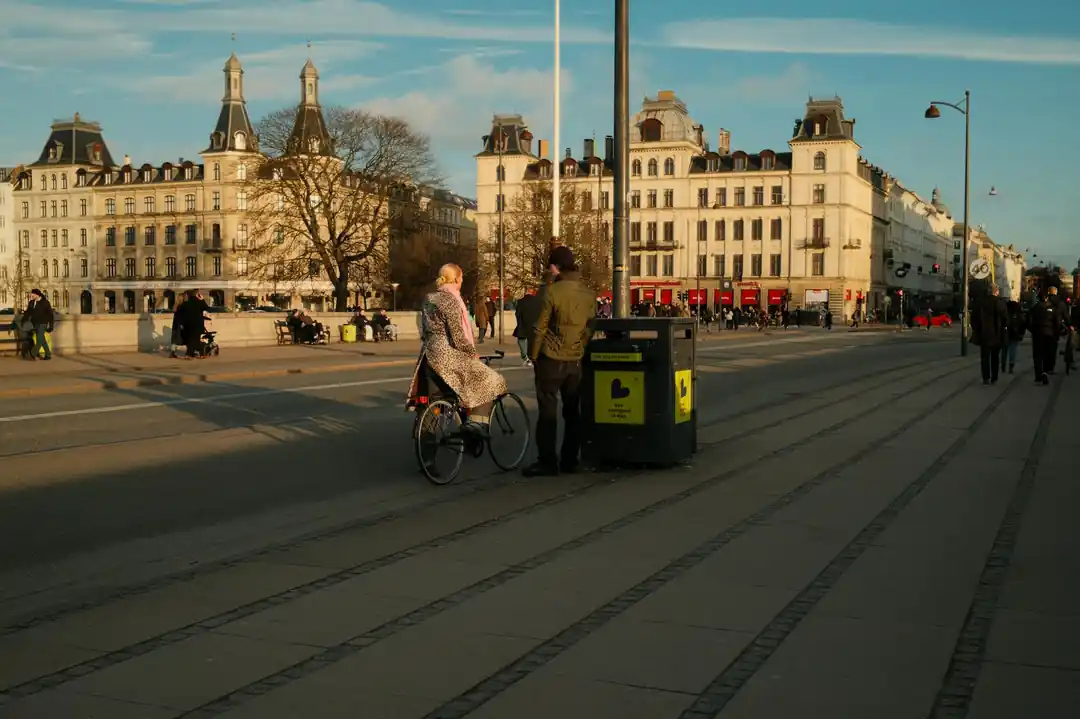
Now that you have your wheels, it’s time to join the flow. Copenhagen’s bike lanes are a marvel of urban planning, but they come with their own set of rules and etiquette. Following them will not only keep you safe but will also earn you a nod of respect from the locals.
The most important rule is to stay to the right. The bike lanes are like a two-lane road: slower traffic keeps right, and faster cyclists pass on the left. Before you pull out to pass, always, always glance over your left shoulder to make sure the lane is clear. Riding two-abreast is common when it’s quiet, but if the lane gets crowded, be courteous and switch to a single file to let others pass.
Hand signals are not optional; they are the language of the bike lane. A raised hand means you are stopping. An arm straight out to the right or left indicates you’re turning. Use them clearly and confidently. One of the trickiest maneuvers for newcomers is the two-stage left turn. At busy intersections, you don’t turn left from the middle of the road. Instead, you cross the intersection, pull over to the corner, and wait with the perpendicular traffic for the light to change before proceeding. It feels odd at first, but it’s far safer.
Finally, a few key points: Lights are mandatory at night (a white light in front, red in back), and your rental should come with them. It's illegal to use a handheld phone while cycling, so pull over if you need to check your map. And always yield to pedestrians who are crossing and stop for city buses when they pull over to let passengers on or off.
Finding Your Path: Scenic Routes to Explore
With the rules down, the real fun begins. The beauty of having a bike is that the entire city is your playground. You can ditch the map and let your curiosity lead the way, or you can set out on one of the many beautiful routes Copenhagen has to offer.
A classic ride for a reason is the loop around the city’s lakes (Søerne). It’s a flat, scenic, and popular path that gives you a great feel for the city's layout and the local life that unfolds along its banks. You’ll see people jogging, picnicking, and enjoying the view, and it’s a perfect way to spend a sunny afternoon.
For a dose of iconic scenery, you can’t beat a ride along the harbor. Start near the famous Nyhavn canal, with its colorful houses and historic ships, and then head across the Inner Harbour Bridge (Inderhavnsbroen). This will take you towards the quirky, free-spirited community of Christiania and the architecturally stunning Copenhagen Opera House. The paths are wide, the views are spectacular, and you get a real sense of Copenhagen as a city connected by water.
If you’re feeling more adventurous, head north from the city center towards Hellerup. This route takes you along the coast, offering beautiful views of the Øresund strait. You’ll pass through lovely residential areas and end up at a charming beach and marina. It feels like a true escape from the city, yet it’s easily doable in a couple of hours.
Renting a bike in Copenhagen is more than just a practical way to get around. It’s an invitation to slow down, to notice the details, and to connect with the city on a deeper level. It’s the feeling of freedom as you glide over a bike bridge, the shared, silent understanding in a bustling bike lane, and the simple joy of discovering a place under your own power. It’s an experience you won’t soon forget.

Unlocking Hope: A Nonprofit’s Guide to Finding and Winning Mental Health Grants
The Ultimate Guide to Using Public Transport in Denmark
Related Posts
 TRANSPORT
Beyond the Highway: Finding Canada's Soul on a Western Rail Adventure
Forget road trips. I'm talking about rediscovering the romance of travel on Via Rail's most scenic routes through the heart of the Canadian West. It’s an experience that changes you.
 TRAVEL TIPS
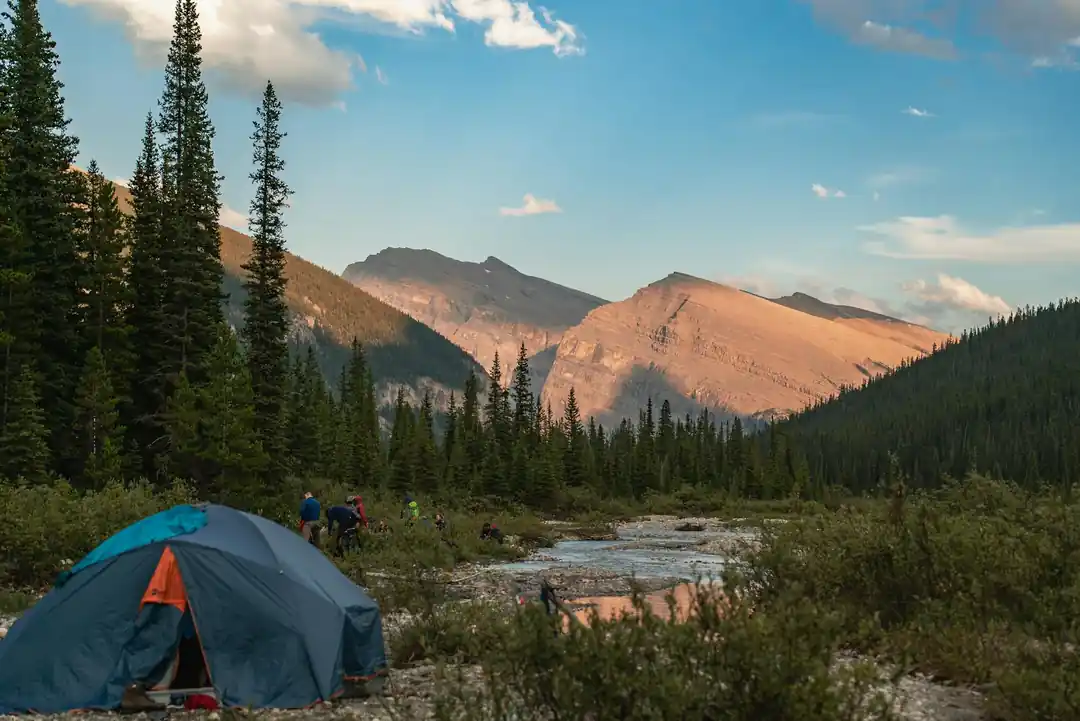
The Unwritten Rules of the North: What to Know Before Camping in Canada
Heading to the Great White North for a camping trip? It's an amazing idea. But from campfire etiquette to wildlife wisdom, here’s what you need to know before you go.

Popular Posts

Rethinking Non-Profit Promotion: Creative Strategies That Actually Drive Event Impact

How to Actually Master a New Language on Your Own (No Magic Gene Required)

The Simple Pre-Workout Fueling Strategy That Saved My Long Runs