Dreaming of zipping through Goa's scenic lanes? Renting a scooter offers unparalleled freedom, but there's a lot to know before you hit the road. Let's get you ready for a safe and unforgettable ride.
There’s a certain magic to Goa that’s hard to put into words. It’s in the salty air, the sound of waves crashing against ancient forts, and the vibrant, winding roads that connect sleepy villages to bustling beach towns. For years, I heard stories from friends who came back from Goa with sun-kissed skin and a look of pure bliss, and they all said the same thing: you have to get a scooter. It sounded romantic, sure, but also a little intimidating. Navigating foreign roads? Dealing with local traffic? It felt like a world away from the straightforward grid of most American cities.
But let me tell you, the moment I finally did it—the moment I twisted the throttle and felt that warm Goan breeze—I understood. Renting a scooter isn't just about getting from point A to point B; it's about unlocking a completely different side of travel. It’s the freedom to chase a sunset on a whim, to stumble upon a hidden beach cafe, and to feel like a local, even if just for a week. It transforms you from a tourist into an explorer.
If you're from the US and dreaming of your own Goan adventure, this guide is for you. I’m going to walk you through everything you need to know, from the nitty-gritty paperwork to the unwritten rules of the road, so you can spend less time worrying and more time soaking in the incredible beauty of it all.
First Things First: The Paperwork and Legal Stuff
Alright, let's get the boring but crucial stuff out of the way. I know, I know, paperwork is the last thing you want to think about when planning a vacation, but getting this right will save you a world of headaches. The most important document you'll need is an International Driving Permit (IDP). Think of it as a translation of your US driver's license. You can easily get one from AAA before you leave, and it's an absolute must-have. Many rental guys might not ask for it, but the police certainly will if you're pulled over, and the fines for not having one can be steep.
When you go to rent your scooter, you'll also need to show your original US driver's license and your passport. Most rental shops will ask to hold onto a physical ID as a security deposit. I was a bit hesitant to leave my passport, and honestly, you should be too. A better approach is to offer your driver's license or a color photocopy of your passport. Some will accept this, others might insist on the original. Use your judgment, and try to stick to reputable, well-reviewed rental places—they're usually more flexible and trustworthy.
Before you ride off, make sure the rental agent gives you the scooter’s documents: the Registration Certificate (RC) and the Pollution Under Control (PUC) certificate. These should always be with the vehicle. Take a quick photo of them with your phone. In the unlikely event of an accident or a police check, having these on hand is non-negotiable.
Finding Your Ride and Not Getting Ripped Off
Goa is flooded with scooter rental options. From the moment you step into any tourist-heavy area like Calangute, Baga, or Anjuna, you'll see rows upon rows of them. The most common and easiest to handle is the Honda Activa, an automatic scooter that’s perfect for beginners. If you're comfortable with a clutch, you can also find geared motorbikes like the Royal Enfield, but for most day-tripping, an automatic scooter is all you need.
Now, let's talk money. Prices can vary wildly depending on the season. During the peak tourist months (December to February), you can expect to pay anywhere from ₹400 to ₹600 per day (about $5-8). In the shoulder seasons or monsoon (June to September), that price can drop to as low as ₹250-₹300. If you're renting for a week or more, you should absolutely ask for a discount. Haggling is part of the culture here, so don't be shy, but always do it with a smile.
Before you hand over a single rupee, give the scooter a thorough inspection. I mean it. Check the brakes (both of them!), test the horn and the headlights, and look for any existing scratches or dings. Take a slow-motion video on your phone, walking around the entire scooter and pointing out any damage to the owner. This little step can save you from a heated argument and a bogus damage claim when you return it. Also, check the fuel gauge. Most scooters are rented out with just enough gas to get you to the nearest station, so your first stop should be a "petrol pump."
The Unwritten Rules of the Goan Road
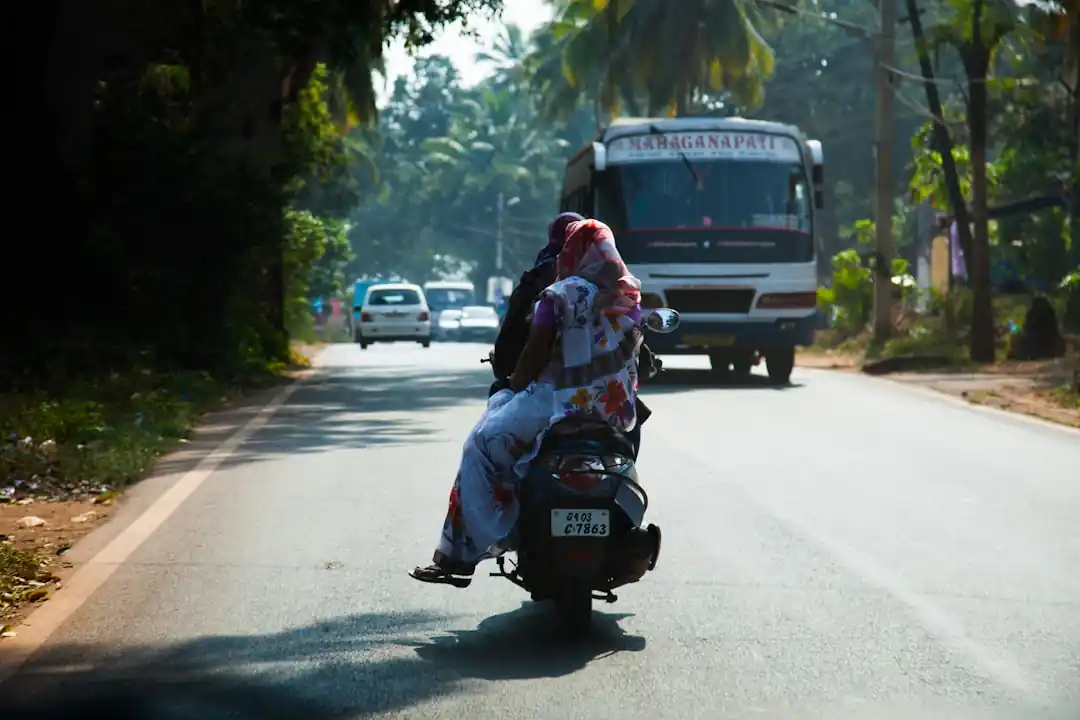
Driving in India is a sensory experience. It’s organized chaos, and it can be overwhelming at first. But once you understand the flow, it starts to make a strange kind of sense. First, remember to drive on the left side of the road. This will feel unnatural for the first hour, so take it slow and be extra cautious at intersections. The horn is your best friend. It’s not used out of anger, but more as a way of saying, "Hey, I'm here!" or "I'm about to pass you." Use it liberally, especially on blind corners.
The most important safety rule is to always wear a helmet. It's required by law for the driver, and honestly, you'd be foolish not to. The roads can be unpredictable, with sudden potholes, wandering cows (yes, really), and dogs that love to nap in the middle of the street. A helmet is your single most important piece of safety gear.
Be prepared for a different kind of traffic. You'll be sharing the road with everything from giant tour buses to pedestrians to the aforementioned cows. The general rule is that bigger vehicles have the right of way. Don't challenge a bus; just pull over and let it pass. Keep a safe distance, anticipate sudden stops, and always be aware of what's happening around you. Driving at night can be particularly tricky as many smaller roads aren't well-lit, so I’d advise against long-distance travel after dark until you feel really confident.
Renting a scooter in Goa was the single best decision I made on my trip. It gave me a sense of independence and a connection to the place that I wouldn't have found in the back of a cab. It allowed me to create my own adventure, one dusty, sun-drenched road at a time. So take a deep breath, trust your instincts, and get ready for the ride of your life. You won't regret it.

Your Phone's Getting Smarter: Why On-Device AI Is a Game-Changer
Goa on a Shoestring: How to Plan an Unforgettable Budget Trip

Related Posts
 TRANSPORT
Beyond the Highway: Finding Canada's Soul on a Western Rail Adventure
Forget road trips. I'm talking about rediscovering the romance of travel on Via Rail's most scenic routes through the heart of the Canadian West. It’s an experience that changes you.
 TRAVEL TIPS
The Unwritten Rules of the North: What to Know Before Camping in Canada
Heading to the Great White North for a camping trip? It's an amazing idea. But from campfire etiquette to wildlife wisdom, here’s what you need to know before you go.

Popular Posts

Rethinking Non-Profit Promotion: Creative Strategies That Actually Drive Event Impact

Beyond Stark White: The Best Interior Paint Colors to Light Up Your New Space

How to Actually Master a New Language on Your Own (No Magic Gene Required)
