Living with kids and pets is a beautiful, chaotic dance. But how do you ensure the toys and supplies for your furry friends are safe for your curious little ones? Let's dive in.
There’s a unique kind of beautiful chaos that reigns in a home shared by children and pets. It’s a world of sticky fingers, wagging tails, sudden bursts of laughter, and the quiet comfort of a purr. As a parent and pet owner, I wouldn't trade it for anything. But I’ll be honest: there have been moments where I’ve looked at a dog toy in my toddler's mouth and felt a jolt of panic. It’s a common scenario, that sudden realization that the world of pet supplies isn't regulated with the same eagle eye as children's products.
Navigating this reality doesn't mean separating your beloved family members; it just means becoming a more conscious consumer. The goal is to create a harmonious environment where curiosity isn't a liability. It’s about understanding that what’s safe for a 70-pound Labrador might not be safe for a 20-pound toddler who explores the world with their hands and mouth. I’ve spent a lot of time researching, reading labels, and talking to vets, and I've learned that creating this safe haven is entirely possible.
It starts with a simple shift in perspective: every pet item that comes into your home should be considered through the lens of child safety. From the squeaky toys that inevitably end up in the toy box to the food bowls on the kitchen floor, a little bit of extra scrutiny goes a long way in protecting the most vulnerable members of our families.
The Material World: What Are Your Pet's Toys Made Of?
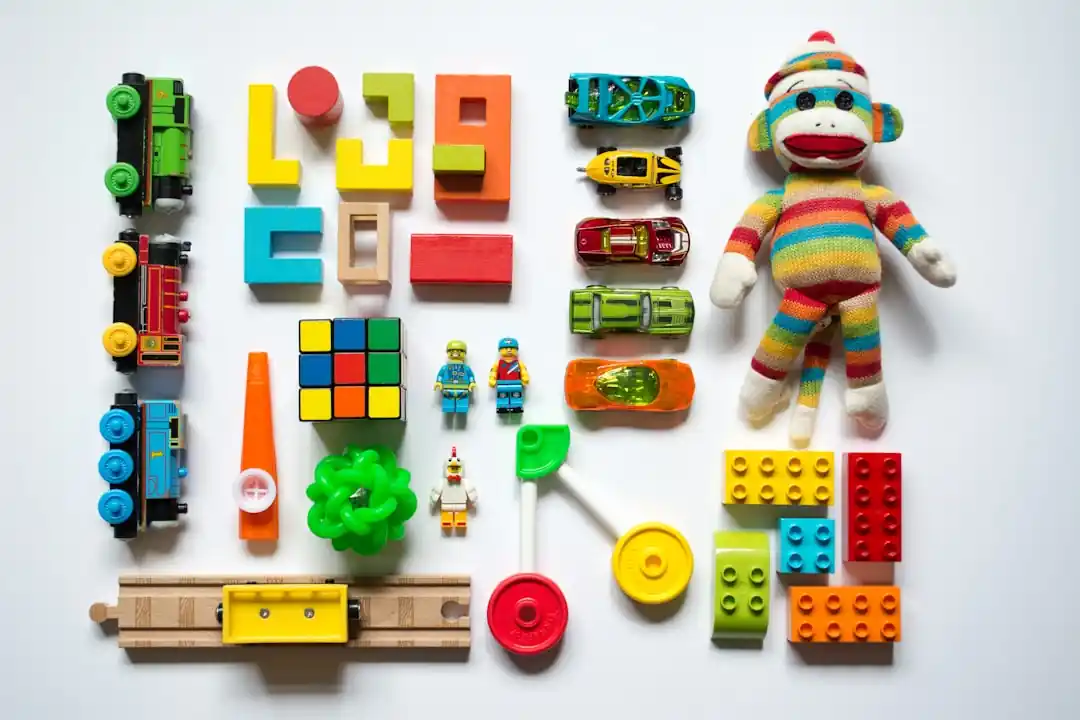
Let's start with the most obvious point of crossover: toys. To a toddler, there is no meaningful difference between their colorful stacking rings and the dog's vibrant chew toy. This is where material safety becomes paramount. Many pet toys, especially cheaper plastic and vinyl ones, can contain a cocktail of chemicals you really don't want anywhere near your child. I was shocked to learn that things like BPA, phthalates, and even lead can be found in pet products. These are toxins linked to a host of health issues, and their presence in items that could end up in a child's mouth is deeply concerning.
So, what’s the alternative? I’ve become a huge advocate for toys made from natural and non-toxic materials. Look for pet toys made from 100% natural rubber, organic cotton, or durable, food-grade silicone. These materials are far less likely to contain harmful chemicals. When you're shopping, look for labels that explicitly state "BPA-free," "non-toxic," or "phthalate-free." Some companies are even starting to use third-party testing to verify their claims, which provides an extra layer of confidence.
Durability is the other side of this coin. A toy designed for a gentle cat is no match for a determined toddler, and conversely, a hard chew toy for a power-chewing dog could pose a risk to a child's developing teeth. Always supervise playtime and teach your child (as best you can) which toys belong to the pet. Regularly inspect all toys—both human and animal—for signs of wear and tear. If a toy is cracked, splintered, or has pieces falling off, it's time to throw it away.
Size, Choking Hazards, and the Kibble Question
One of the most immediate dangers is choking. It’s a terrifying thought for any parent. A good rule of thumb I learned from baby-proofing experts is the "toilet paper roll test": if an object can fit through an empty toilet paper roll, it's a potential choking hazard for a child under three. This applies to many small pet toys, balls, and especially hard chews or broken-off pieces of larger toys.
This brings us to the food bowl. Dry pet kibble is, unfortunately, the perfect size and shape to become a serious choking hazard for a small child. I’ve heard countless stories from other parents about turning around for a split second to find their crawler happily munching on cat food. Beyond the choking risk, pet food can also contain bacteria like Salmonella that can make a child very sick.
The solution here is management and separation. Pet feeding stations should be in an area that is inaccessible to your child, either in a separate room, behind a baby gate, or elevated in a spot your little one can't reach. It’s also a good idea to pick up food bowls as soon as your pet is finished eating. The same goes for water bowls, which can be a drowning hazard for very young babies who are just learning to pull themselves up. It might seem like a hassle at first, but building these habits creates a much safer environment for everyone.
Beyond Toys: Beds, Bowls, and Grooming Supplies
Our vigilance shouldn't stop at toys and food. Other pet supplies can also introduce unwanted risks into the home. Take pet beds, for example. Many are treated with flame retardants or stain-resistant chemicals that can off-gas into your home's air. When possible, opt for beds made with organic cotton, hemp, or other natural fibers with no added chemical treatments. A washable cover is also a must-have for general hygiene.
The bowls your pets eat and drink from matter, too. Plastic bowls can get tiny scratches on the surface that become breeding grounds for bacteria. They can also leach chemicals into your pet's food and water. I made the switch to stainless steel bowls years ago. They are incredibly durable, easy to sanitize, and don't pose the same chemical risks. Ceramic bowls can be a good option too, but you must ensure they are coated in a lead-free, food-grade glaze.
Finally, think about grooming and cleaning products. Shampoos, flea treatments, and even the cleaners you use for pet accidents can contain harsh chemicals. When you bathe your pet, you're not just putting those chemicals on their fur; you're putting them on a surface your child will likely touch. Look for pet shampoos with simple, natural ingredients. And for cleaning, there are many effective, pet-safe, and child-safe enzymatic cleaners on the market that tackle messes without leaving behind a toxic residue.
Creating a home that is truly safe for both your two-legged and four-legged family members is a continuous act of love. It’s about reading labels, asking questions, and choosing products with intention. The peace of mind that comes from knowing you've created a healthy, secure space for them to grow up together is the ultimate reward.

What Is AI, Really? A Simple Guide to the Brains Behind the Buzz
Tiny Toes, Furry Friends: A Guide to Safely Introducing Pets to Your New Baby
Related Posts
 HOBBIES
The Beginner's Guide to Reading the Night Sky: How to Spot Your First Constellations
A friendly, grounded guide to navigating the night sky, understanding stellar movements, and spotting iconic constellations without expensive gear.
 PETS
PETSSniffle-Free Snuggles: America's Most-Loved Hypoallergenic Dogs
Dreaming of a furry friend but dreading the sneezes? You're not alone. Let's dive into the wonderful world of popular hypoallergenic dog breeds in the US.

Popular Posts
Rethinking Non-Profit Promotion: Creative Strategies That Actually Drive Event Impact
Beyond Stark White: The Best Interior Paint Colors to Light Up Your New Space

How to Actually Master a New Language on Your Own (No Magic Gene Required)