Feeling overwhelmed by the constant hum of daily life? It might be time to trade your stress for a paintbrush, a ball of yarn, or a blank page.
Let’s be honest, most days feel like a balancing act. Between work deadlines, social obligations, and the endless stream of information, finding a moment of genuine peace can feel like a monumental task. For years, my go-to solution for stress was to simply push harder, to organize more, to optimize everything. I thought the answer was in doing more, faster. But recently, I’ve discovered a far more effective, and infinitely more enjoyable, path to tranquility: embracing creativity.
It’s not about becoming a professional artist or producing something worthy of a gallery. It’s about the simple, grounding act of making something with your own hands. It’s about giving your over-analytical brain a rest and letting your intuition take the wheel. I’ve come to realize that a creative hobby isn't just another item on the to-do list; it's a powerful tool for managing stress, a way to process emotions, and a method for reconnecting with a part of yourself you might have forgotten.
Why Your Brain Loves It When You Create
Have you ever been so absorbed in an activity that time just seems to melt away? That feeling of being completely in the zone, where the world outside your immediate focus disappears, is what psychologists call a "flow state." When you're engaged in a creative task that is challenging but not overwhelming, your brain can enter this state, quieting the part of your mind responsible for self-criticism and anxiety. It’s like a mini-vacation for your psyche.
The benefits aren't just in your head, either. Studies have shown that engaging in creative activities can lead to a measurable decrease in cortisol, the body's primary stress hormone. One study found that just 45 minutes of making art resulted in lower cortisol levels, regardless of a person's perceived artistic skill. Think about that for a moment. The simple act of doodling, molding clay, or arranging flowers can have a direct, physical impact on your stress levels.
This isn't just about distraction; it's about engagement. Creative hobbies pull you into the present moment. You’re not worrying about tomorrow's meeting or ruminating on yesterday's awkward conversation. You are focused on the texture of the paper, the color of the paint, or the rhythm of your knitting needles. This form of mindfulness is incredibly restorative, helping to lower your heart rate and blood pressure, and leaving you with a sense of accomplishment and calm.
It’s Not a Competition: Finding the Right Hobby for You
The most common roadblock I hear is, "But I'm not a creative person!" I'm here to gently disagree. Creativity isn't a rare talent bestowed upon a chosen few; it's a fundamental human impulse. The key is to find the form of expression that resonates with you. Forget what you think a "hobby" should look like and explore what genuinely sparks your curiosity.
For some, the appeal lies in visual arts. This could be anything from a beginner's watercolor set to an adult coloring book or a digital drawing tablet. The goal isn't to create a masterpiece, but to enjoy the process of mixing colors and making marks. For others, a more tactile hobby is the answer. The repetitive, rhythmic motions of knitting or crocheting can be incredibly meditative. The feeling of yarn running through your fingers is grounding, and watching a scarf or blanket slowly take shape provides a wonderful sense of progress.
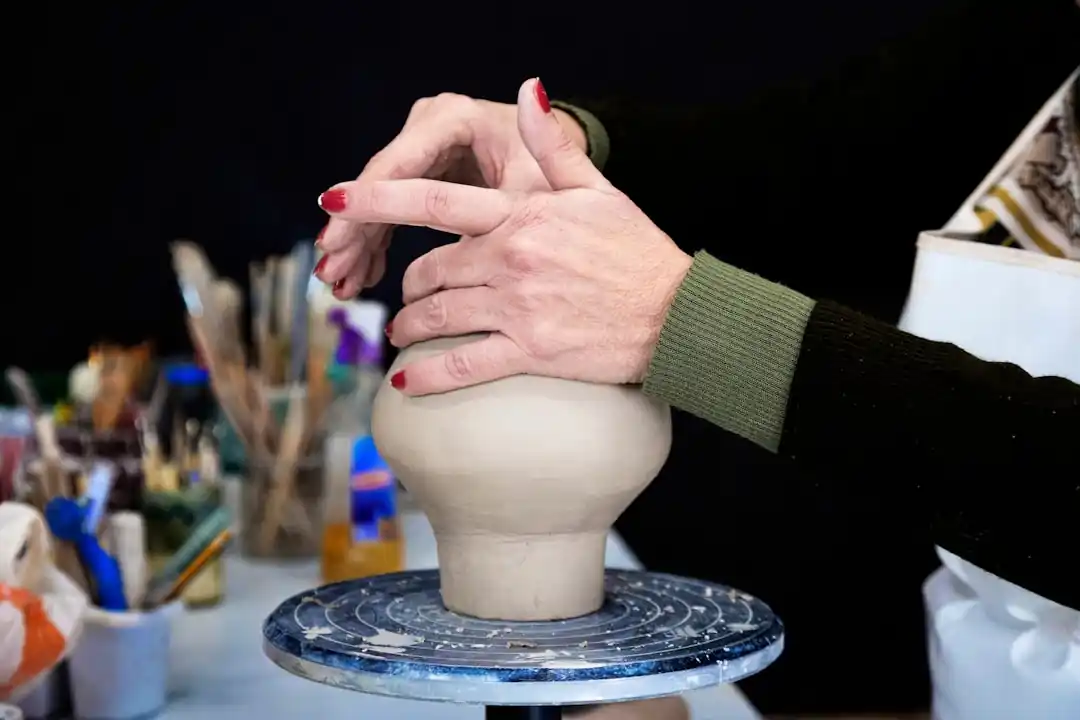
Then there's pottery, which combines both tactile and visual elements in a deeply satisfying way. Or perhaps your creativity is more verbal. Journaling is a powerful way to untangle your thoughts and process your feelings without judgment. Writing poetry or even just a few lines of a short story can open up new ways of seeing the world. Don't overlook things like gardening, baking, or learning a musical instrument. Anything that gets you out of your head and into a state of focused, enjoyable creation is a win.
Permission to Be a Beginner
In a world that prizes expertise and polished results, it can be intimidating to start something new. We often feel like if we’re not immediately good at something, it’s not worth doing. This is the biggest hurdle to starting a creative hobby, and it’s the most important one to overcome. You must give yourself permission to be a beginner. Permission to be clumsy, to make mistakes, and to create things that are, frankly, not very good.
The value is in the process, not the product. That lopsided pot, that slightly-off-key song, that journal entry full of crossed-out words—they are all badges of honor. They are proof that you showed up for yourself and made space for play and exploration. Start small and remove as many barriers as possible. Buy a beginner's kit, watch a free tutorial online, or dedicate just 10-15 minutes a day to your new craft.
Don't turn your stress-relief activity into another source of pressure. If you miss a day, it's okay. If you decide you don't like painting after all, that's fine too. This is your time, your space for discovery. The only goal is to find a small pocket of your day where you can let go of expectations and simply enjoy the act of making.
This journey into creativity isn't about adding another demand to your already busy life. It's about discovering a source of replenishment that has been within you all along. It’s a quiet rebellion against the cult of productivity, a way of reclaiming your time and your mental space. So I hope you find the courage to start, to be a beginner, and to discover the simple, profound joy that comes from making something out of nothing.

Beyond the Title: Unlocking the Leadership Skills That Truly Build Great Teams
The Unseen Architecture: How to Build Real, Lasting Trust in a Relationship
Related Posts
 HOBBIES
The Beginner's Guide to Reading the Night Sky: How to Spot Your First Constellations
A friendly, grounded guide to navigating the night sky, understanding stellar movements, and spotting iconic constellations without expensive gear.
 PETS
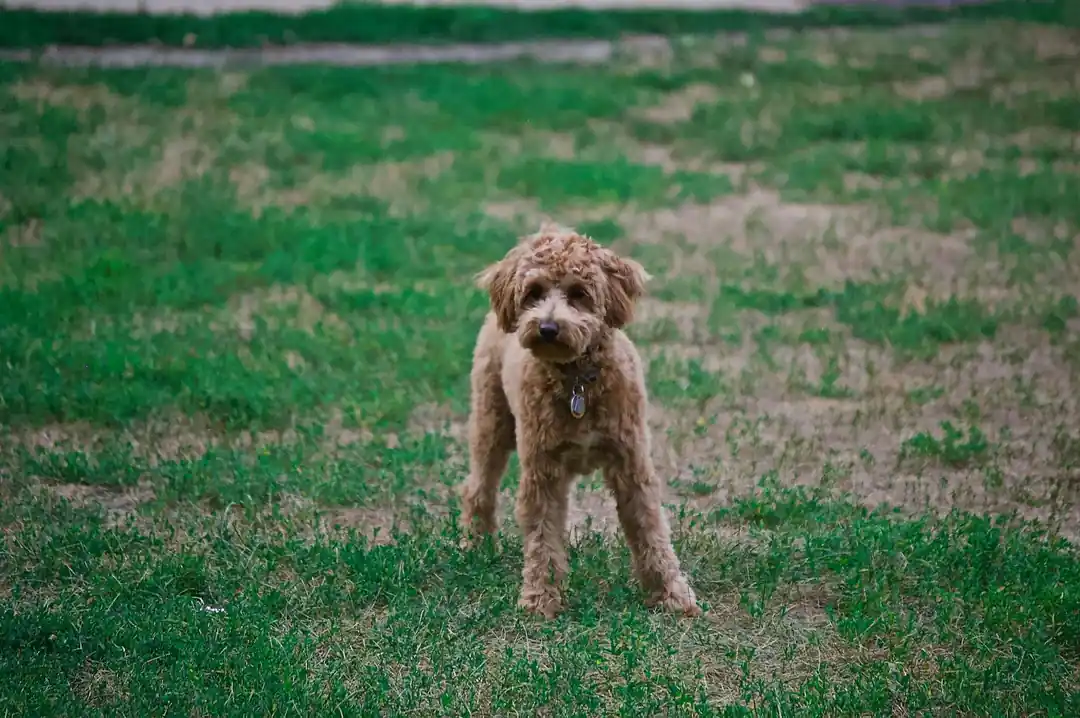
PETSSniffle-Free Snuggles: America's Most-Loved Hypoallergenic Dogs
Dreaming of a furry friend but dreading the sneezes? You're not alone. Let's dive into the wonderful world of popular hypoallergenic dog breeds in the US.
Popular Posts

Rethinking Non-Profit Promotion: Creative Strategies That Actually Drive Event Impact

Beyond Stark White: The Best Interior Paint Colors to Light Up Your New Space

How to Actually Master a New Language on Your Own (No Magic Gene Required)
