We all love a refreshing drink, but have you ever stopped to think about what your favorite beverage is doing to your teeth? The answer might surprise you. Let's dive into the world of pH levels and tooth enamel.
We make choices every day for our health. We might skip the fries, take the stairs, or try to get a full eight hours of sleep. But what about the choices we make when we're thirsty? That morning cup of coffee, the "healthy" fruit juice with breakfast, the celebratory glass of wine at night—they seem harmless enough. Honestly, I never gave it a second thought until a conversation with my dentist opened my eyes to a silent battle being waged inside my mouth: the fight for my tooth enamel.
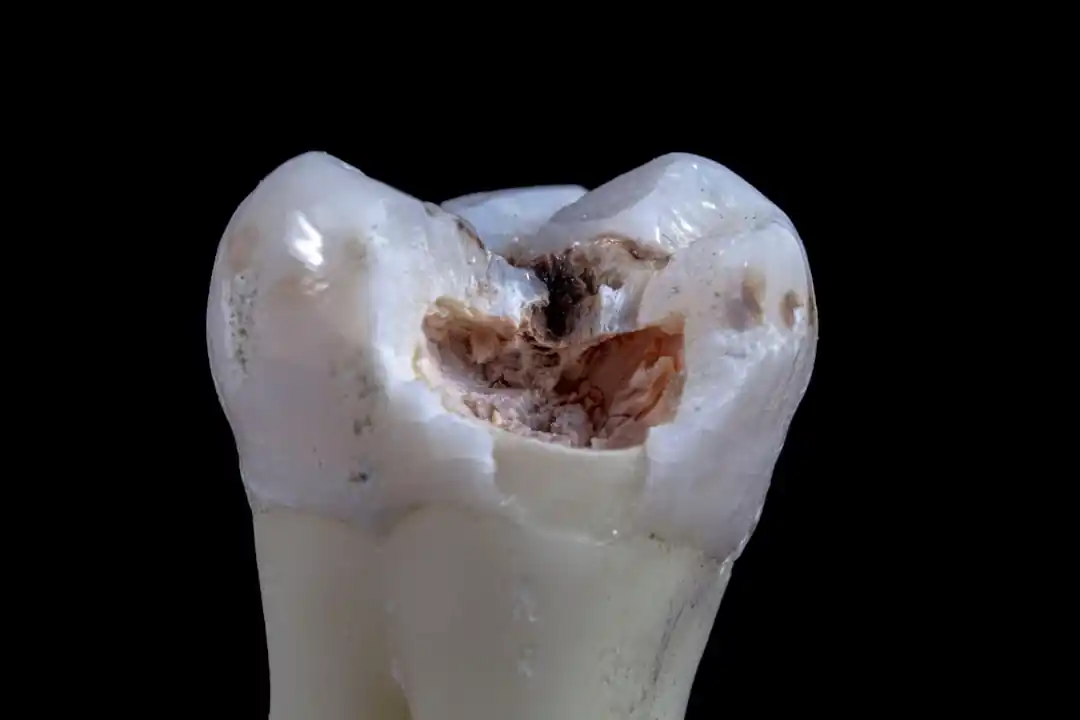
Tooth enamel is the hard, protective outer layer of our teeth. It's the strongest substance in the human body, designed to withstand the daily pressures of biting and chewing. However, it has a significant weakness: acid. When enamel is exposed to acidic substances, it begins to demineralize, a process where it loses its vital minerals. This is known as enamel erosion. And here's the scary part: once enamel is gone, it's gone for good. Our bodies can't regenerate it. This erosion can lead to sensitivity, discoloration, and an increased risk of cavities.
The pH Problem: Understanding Acidity
To understand which drinks are the worst offenders, we need a quick science lesson on the pH scale. The scale runs from 0 to 14, with 7 being neutral. Anything below 7 is acidic, and anything above 7 is alkaline. Our mouths naturally maintain a pH of around 6.2 to 7.6. The trouble starts when the pH in our mouth drops below 5.5. At this "critical pH," our enamel starts to dissolve.
Many of the drinks we consume daily have pH levels far below this critical threshold. It's not just about sugar, which feeds the bacteria that cause cavities; the inherent acidity of the drink itself can be incredibly damaging. The lower the pH, the more acidic the drink, and the more aggressive the attack on your enamel. This is why a drink's pH level is a crucial factor to consider for your long-term dental health.
The Main Culprits: A Lineup of Enamel's Enemies
So, which drinks should you be wary of? The list is longer than you might think, and some of the items on it are surprising.
1. Soda and Carbonated Soft Drinks
This is probably the least surprising category. Both regular and diet sodas are at the top of the list for enamel damage. They are a double threat: high in sugar (in the case of regular soda) and extremely acidic. The carbonation process itself creates carbonic acid, but many sodas also contain other acids like phosphoric acid and citric acid for that tangy flavor. With pH levels often hovering between 2.5 and 3.5, these drinks create a highly acidic environment in your mouth, softening your enamel with every sip.
2. Fruit Juices
This one often catches people off guard. We tend to associate fruit juice with health, but many are highly acidic. Citrus fruits like lemons, grapefruits, and oranges are naturally acidic, and their juices reflect that. Lemon juice, for example, can have a pH as low as 2.0. Even less acidic fruits like apples and grapes produce juices with pH levels well below the critical 5.5. While they offer vitamins, their high acid and sugar content can be a potent combination for enamel erosion, especially when consumed frequently.
3. Sports and Energy Drinks
Marketed as a way to refuel and rehydrate, sports and energy drinks are another major source of acid. They are often formulated to be acidic to improve their taste and shelf life. Combined with their typically high sugar content, they can be incredibly destructive to tooth enamel. Studies have shown that the enamel erosion caused by some sports drinks can be significant, particularly when they are sipped over a prolonged period, like during a long workout.
4. Wine, Coffee, and Tea
Your morning pick-me-up or evening wind-down could also be contributing to the problem. Both red and white wine are acidic, with white wine generally being slightly more so. Coffee and tea are also on the acidic side, though usually less so than sodas or fruit juices. However, the way we drink them matters. Sipping on a large, sweetened coffee for hours can create a prolonged acid attack on your teeth. Furthermore, both coffee and tea are notorious for staining teeth, a problem that is exacerbated when the enamel is already weakened by erosion.
How to Protect Your Smile: Smart Sipping Strategies
Reading this list can feel a bit disheartening, but the goal isn't to eliminate all your favorite drinks. It's about being mindful and adopting habits that can mitigate the damage.
- Drink in Moderation: Instead of sipping on an acidic drink all day, try to consume it with a meal. This limits the duration of the acid exposure.
- Use a Straw: When drinking sodas, juices, or iced coffees, using a straw can help bypass your front teeth, reducing direct contact with the acid.
- Rinse with Water: After you finish an acidic beverage, swish your mouth with plain water. This helps to neutralize the pH and wash away some of the residual sugar and acid.
- Wait to Brush: This is a big one. Brushing your teeth immediately after consuming something acidic can actually cause more damage. The acid softens your enamel, and the abrasive action of brushing can wear it away more easily. Wait at least 30-60 minutes before you brush.
- Choose Neutral Beverages: Whenever possible, opt for water. It's the best choice for your teeth and your overall health. Milk is another good option as it is not acidic and contains calcium, which is great for your teeth.
Protecting your enamel is a long-term game. It's about making small, consistent choices that add up over time. By understanding the risks and adopting a few simple strategies, you can enjoy a wide variety of beverages without sacrificing the health and beauty of your smile. Your future self will thank you for it.

That Chair Doesn’t Have to Be Scary: How to Overcome Your Dental Anxiety
Your Fork Is Your Friend: The Best Foods for a Healthier Smile
Related Posts
 NUTRITION
The Simple Pre-Workout Fueling Strategy That Saved My Long Runs
Discover how timing your carbohydrates and embracing simple foods can eliminate mid-workout fatigue and unlock your true endurance potential.
 FITNESS
No Gym, No Problem: The Ultimate Guide to Bodyweight Fitness at Home
Forget expensive memberships. Discover how to build serious strength and transform your body using the most powerful tool you already own: yourself.

Popular Posts

Rethinking Non-Profit Promotion: Creative Strategies That Actually Drive Event Impact

Beyond Stark White: The Best Interior Paint Colors to Light Up Your New Space

How to Actually Master a New Language on Your Own (No Magic Gene Required)