Are blockchain phones just hype, or are they the future of digital security? We're diving deep into the features that make these devices a potential game-changer for your privacy.
Let's be honest, how often do you think about your smartphone's security? For most of us, it’s a fleeting thought, maybe prompted by a news story about a massive data breach. We set up a passcode, enable Face ID, and hope for the best. But in a world where our phones are the epicenters of our lives—holding everything from our financial data to our most private conversations—"hoping for the best" feels increasingly inadequate. The digital landscape is rife with vulnerabilities, and traditional smartphones, for all their wonders, are often the primary targets.
This growing concern has paved the way for a new and fascinating category of device: the blockchain smartphone. When I first heard the term, I'll admit, my mind immediately went to cryptocurrency. I pictured a phone designed exclusively for Bitcoin billionaires. But the reality is far more interesting and has profound implications for anyone who values their digital privacy. These phones aren't just about crypto; they're about fundamentally re-architecting mobile security from the ground up, using the principles of decentralization to create a personal fortress for your data.
It’s a compelling proposition: a smartphone that doesn’t just protect you with software, but with a hardware-based philosophy of security. It's about moving away from a model where your data is a commodity, stored on centralized servers, to one where you hold the keys to your own digital kingdom. So, let's pull back the curtain and explore the security features that make these devices more than just a passing trend.
A Vault Inside Your Phone: The Hardware Wallet & Secure Enclave
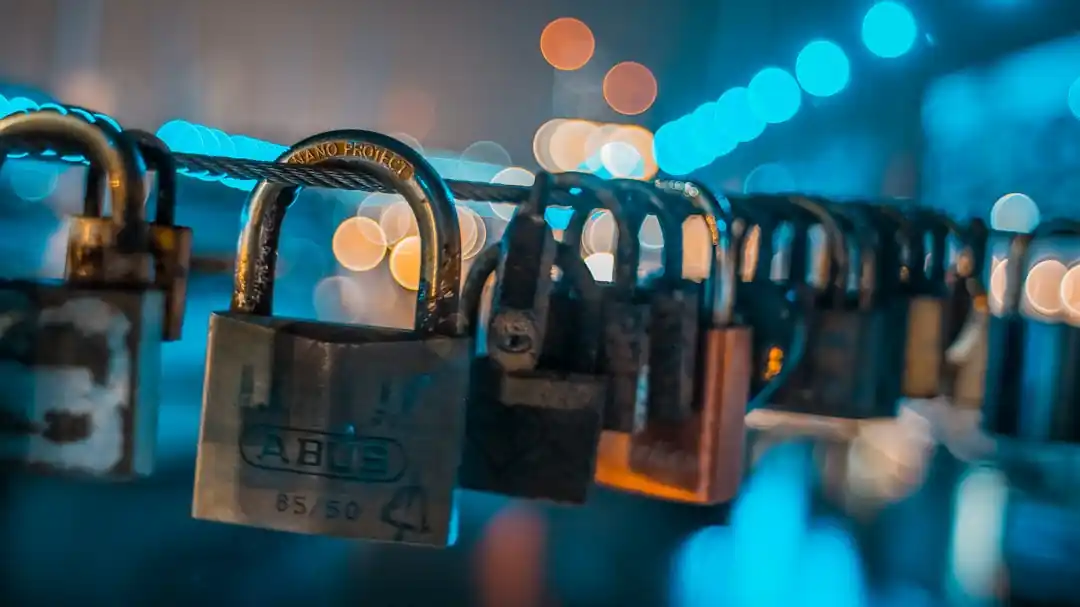
The cornerstone of a blockchain smartphone's security is the integration of a hardware wallet. If you're not familiar, a hardware wallet is a physical device built to securely store your private cryptographic keys. In a blockchain phone, this isn't a separate USB stick; it's a component built directly into the phone's architecture, often within what's known as a Trusted Execution Environment (TEE) or a Secure Enclave.
Think of the TEE as a fortified vault inside your phone's main processor. It’s completely isolated from the regular operating system (like Android) where you run your apps. This isolation is crucial. It means that even if your main OS were to be compromised by malware, the attacker would hit a brick wall trying to access the keys stored in the secure enclave. Operations like signing transactions or verifying your identity happen inside this protected space, so your most sensitive data never has to be exposed to the more vulnerable parts of the phone.
For example, phones like the Solana Saga have a "Seed Vault" that uses this principle to protect your crypto keys. It ensures that apps never directly access your keys; instead, they send a request to the vault, and the signing happens securely in the background. This is a monumental leap from purely software-based wallets, where a clever piece of malware on your phone could potentially log your keystrokes or screen-grab your private key as you type it. It’s the difference between keeping your valuables in a safe versus just hiding them under the mattress.
Taking Back Control: Decentralized Identity (DID)
One of the most powerful, and frankly, revolutionary features enabled by blockchain phones is the concept of Decentralized Identity (DID), also known as Self-Sovereign Identity. Right now, your online identity is a mess. It's fragmented across dozens of services—Google, Facebook, your bank, your email provider—and each of them holds a piece of you. You don't own it; you just have access to it, and you're trusting them to protect it.
DID flips that model on its head. It allows you to create and control your own digital identity, which is stored securely on your device. This identity is composed of "verifiable credentials." For instance, the DMV could issue you a verifiable credential for your driver's license, or a university could issue one for your degree. These are cryptographically signed and tamper-proof. When a website needs to verify your age, you don't give them your birthdate; you simply present a credential that proves you are over 21. The website can verify it's legitimate without ever seeing or storing your personal information.
This is a massive win for privacy. It minimizes your data footprint across the web and puts you in the driver's seat. You decide what information gets shared, with whom, and for how long. Blockchain phones are the perfect vehicle for this because their built-in secure hardware provides the ideal safe-deposit box for these credentials. It’s about moving from a world where you have to prove who you are over and over again to one where you can simply, and privately, assert it.
A Curated, Safer App Ecosystem
We've all heard the warnings about downloading apps from untrusted sources. Malware-laden applications are one of the most common ways that smartphones are compromised. Blockchain phone manufacturers are tackling this problem by creating their own decentralized app stores, or "dApp stores." These aren't just clones of the Google Play Store; they often have a much more rigorous vetting process.
Because these phones are designed to interact with the world of Web3, the apps are built with a different ethos. They often prioritize user privacy and data ownership. The curated nature of these dApp stores means there's a higher barrier to entry for malicious developers, reducing the risk that you'll accidentally download an app that's designed to steal your data or your crypto assets.
This creates a more trustworthy ecosystem. While it might mean fewer apps are available compared to the millions on traditional app stores, the trade-off is a higher degree of confidence in the software you're running. It’s a quality-over-quantity approach that aligns perfectly with the security-first mindset of the entire device. It’s a conscious choice to build a walled garden, but one where you’re the gardener.
Is It for Everyone?
So, is a blockchain smartphone the right choice for you? Honestly, for many people, it might still be overkill. The technology is nascent, and the user experience can sometimes be more complex than what we're used to with mainstream devices. The ecosystems are still growing, and the price point can be a significant barrier.
However, for anyone who deals with digital assets, is deeply concerned about privacy, or simply wants to be on the cutting edge of mobile technology, the security benefits are undeniable. These devices represent a philosophical shift. They are a statement that our data is our own, that our privacy is not for sale, and that we deserve a higher standard of security in the devices we depend on most.
As this technology matures and becomes more user-friendly, it’s easy to imagine these features trickling down into the mainstream. The fortress in your pocket might not be a niche product for long. It might just be the future of how we all stay safe in an increasingly connected world.
Fort Knox in Your Pocket: How to Choose a Crypto Wallet That Actually Protects You
More Than Just Coins: How Blockchain is Quietly Changing Our World
Related Posts
 MOBILE
The Great Console Debate: How to Choose the Right Gaming System for Your Family
Feeling stuck between a Switch, a PlayStation, and an Xbox? Let's break down which gaming console is the perfect fit for your family's game nights.
 MOBILE
From Fragile to Formidable: The Surprising Evolution of Foldable Phone Durability
Remember when the idea of folding a smartphone screen in half felt like a disaster waiting to happen? Let's talk about how far they've come, because the story is pretty incredible.
Popular Posts

Rethinking Non-Profit Promotion: Creative Strategies That Actually Drive Event Impact

Beyond Stark White: The Best Interior Paint Colors to Light Up Your New Space

How to Actually Master a New Language on Your Own (No Magic Gene Required)
