Ever wondered what the ground beneath your feet is really up to? You don't need a geology degree to find out. Welcome to the world of amateur seismology.
Honestly, I used to think that the study of earthquakes was something exclusively for scientists in white lab coats, surrounded by millions of dollars of equipment in a sterile, remote facility. The word "seismology" itself sounds incredibly serious and, let's be real, a little intimidating. It felt like a field of study completely detached from everyday life, something you only heard about on the news when a major disaster struck.
But what if I told you that you, from your own home, could listen to the planet's subtle (and not-so-subtle) movements? The world of amateur seismology is a growing and surprisingly accessible hobby that bridges the gap between hardcore science and backyard curiosity. It’s about transforming a passive awareness of earthquakes into an active, engaging pursuit. It’s a chance to connect with the very ground you stand on in a way you never thought possible.
This isn't just about waiting for the "big one." It's about discovering the constant, quiet symphony of the Earth. From the faint rumbles of a distant tremor thousands of miles away to the vibrations from a nearby construction site or a passing freight train, our planet is always communicating. This hobby is about learning to tune in, and the journey is more rewarding than you might imagine.
What is Amateur Seismology, Really?
At its core, amateur seismology is the practice of detecting, recording, and analyzing ground motions using personal, often home-built or relatively low-cost, equipment. Think of it as being a citizen scientist for geology. Instead of just reading about seismic events, you're collecting your own data, contributing to a global network of like-minded enthusiasts, and gaining a firsthand understanding of the dynamic planet we call home.
The heart of any amateur station is the seismograph. While professional-grade instruments are incredibly sensitive and expensive, the technology has become remarkably democratized. Today, you can build a functional seismograph yourself using common electronics, or you can purchase a ready-to-go "personal seismograph" for a surprisingly reasonable price. These devices are sensitive enough to pick up a wide range of seismic activity, offering a real, tangible connection to the Earth's crust.
The real magic, however, happens when you connect your device to the internet. Suddenly, you're not just an isolated observer; you're a node in a massive, global network. Your data, combined with that of thousands of other amateurs around the world, helps create a more detailed and comprehensive picture of global seismic activity. This collective effort provides valuable data that can even be used by professional researchers.
Getting Started: Your First Seismograph
Dipping your toes into amateur seismology is easier than you might think, and there are a few common paths to take. For the tech-savvy and the DIY-inclined, building your own seismograph can be an incredibly rewarding project. It’s a hands-on way to learn about the principles of seismometry, blending electronics, physics, and a bit of ingenuity. The internet is filled with guides and schematics, from simple pendulum-based designs to more complex electronic versions using geophones.
For those who prefer a more plug-and-play approach, the Raspberry Shake has become the gold standard for personal seismology. It’s a small, powerful seismograph built around the popular Raspberry Pi mini-computer. These devices are incredibly easy to set up and come with user-friendly software that gets you viewing seismic data in no time. They have different models, from a 1D version that measures vertical motion to a 4D version that can detect motion in all directions.
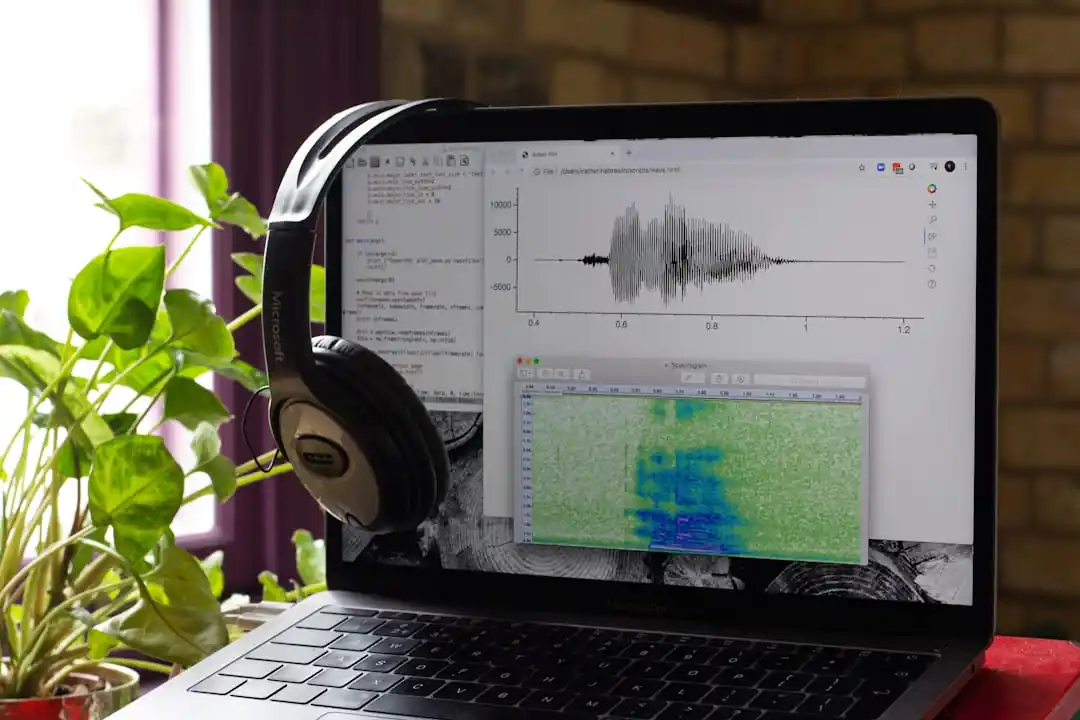
Regardless of the hardware you choose, the software is what brings the data to life. Programs like jAmaSeis and Waves allow you to visualize the seismic waves your instrument detects. You can see the P-waves (primary waves, which are fastest) and S-waves (secondary, slower waves) from an earthquake, and even use that information to estimate its distance and magnitude. It feels like solving a puzzle written by the planet itself.
More Than Just a Hobby: The Power of the Network
One of the most compelling aspects of amateur seismology is the sense of community and shared purpose. When you connect your seismograph to a network like the one hosted by Raspberry Shake, you're contributing to the largest citizen-powered seismic network on the planet. Your single data point, when combined with thousands of others, helps create a high-resolution map of ground motion in real-time.
This isn't just for fun, either. The data from these amateur networks has real scientific value. It has been used in studies of major earthquakes, for monitoring volcanic activity, and even for analyzing "icequakes" in polar regions. It’s a powerful demonstration of how collective, grassroots efforts can make significant contributions to our scientific understanding. You're not just observing; you're participating.
There's a profound feeling that comes from watching a seismic event unfold on your own screen, knowing that you are one of many people around the world seeing the same event from a different perspective. It fosters a unique sense of global connection, reminding you that we all share this active, ever-changing planet. It transforms the ground beneath you from something solid and inert into something dynamic and alive. And that shift in perspective is, perhaps, the most rewarding part of the entire journey.
Decoding Earth's Story: A Beginner's Guide to Reading a Seismograph
The Un-Glamorous but Essential Guide to Your Family's Earthquake Kit
Related Posts
 HOBBIES
The Beginner's Guide to Reading the Night Sky: How to Spot Your First Constellations
A friendly, grounded guide to navigating the night sky, understanding stellar movements, and spotting iconic constellations without expensive gear.
 PETS
PETSSniffle-Free Snuggles: America's Most-Loved Hypoallergenic Dogs
Dreaming of a furry friend but dreading the sneezes? You're not alone. Let's dive into the wonderful world of popular hypoallergenic dog breeds in the US.

Popular Posts

Rethinking Non-Profit Promotion: Creative Strategies That Actually Drive Event Impact

Beyond Stark White: The Best Interior Paint Colors to Light Up Your New Space

How to Actually Master a New Language on Your Own (No Magic Gene Required)
