The Secret to Sun-Soaked Skies: When Is the Best Time to Visit the Philippines?
Dreaming of a tropical getaway to the Philippines? Timing is everything. I'm breaking down the seasons to help you find that perfect window for sunshine and adventure.
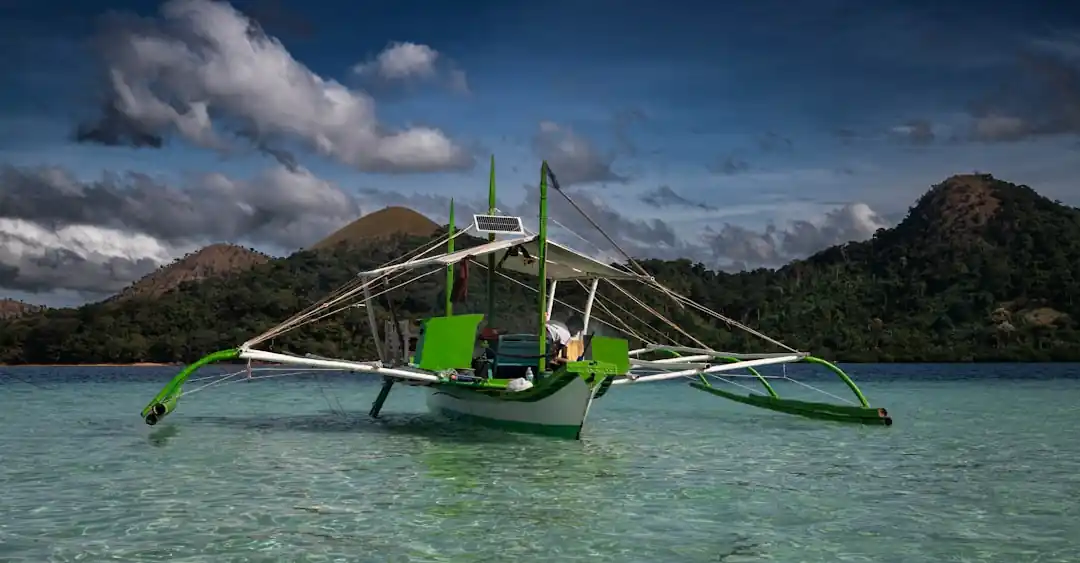
Let’s be honest, when you picture the Philippines, you’re probably imagining yourself on a traditional banca boat, gliding across impossibly turquoise water towards a white-sand beach, with the sun warming your skin. It’s a perfect, postcard-worthy dream. But as anyone who has ever had a tropical vacation rained out knows, timing is everything. Getting that dream scenario isn't just about picking an island; it's about picking the right month.
I’ve spent countless hours scrolling through photos of El Nido’s lagoons and Siargao’s surf breaks, and I used to think the weather was pretty much the same year-round. Just hot and… well, hot, right? It turns out, it’s a lot more nuanced than that. The Philippines has distinct seasons that can make or break your trip, and what’s considered the “best” time can even change from one island to the next.
So, if you’re planning a trip and want to trade rainy-day blues for sun-soaked skies, you’ve come to the right place. We’re going to dive deep into the country’s climate, moving beyond the generic advice to give you a real, practical guide to chasing the sun across this stunning archipelago.
The Golden Window: Understanding the Dry Season
First things first, the Philippines generally has two main seasons: the dry season and the wet season. The nationwide dry season, which is when most travelers plan their visit, typically runs from November to April. This is your golden window for the highest chance of clear skies and calm seas, making it ideal for all the activities you’re dreaming of—island hopping, diving, or just lounging on the beach.
But we can break it down even further. The months from December to February are often considered the absolute sweet spot. During this period, the weather is not just dry but also relatively cool (by tropical standards, anyway). The humidity drops, and the temperatures are incredibly pleasant, making it perfect for exploring cities, hiking to waterfalls, or enjoying long days by the water without feeling completely overwhelmed by the heat. It’s the kind of weather that feels like a perfect summer day in the US, but in the middle of winter.
As you move into March, April, and May, you enter what locals call "summer." The heat and humidity ramp up significantly. While it’s still reliably dry and sunny, be prepared for some intense temperatures, especially in the middle of the day. This is the perfect time for those who plan to spend most of their days in the water, as the ocean feels like a refreshing escape from the sweltering heat. It’s less ideal for activities that involve a lot of walking around in direct sun, but fantastic for that dedicated beach-bum lifestyle.
Navigating the Green Season: The Trade-Offs of the Wet Months
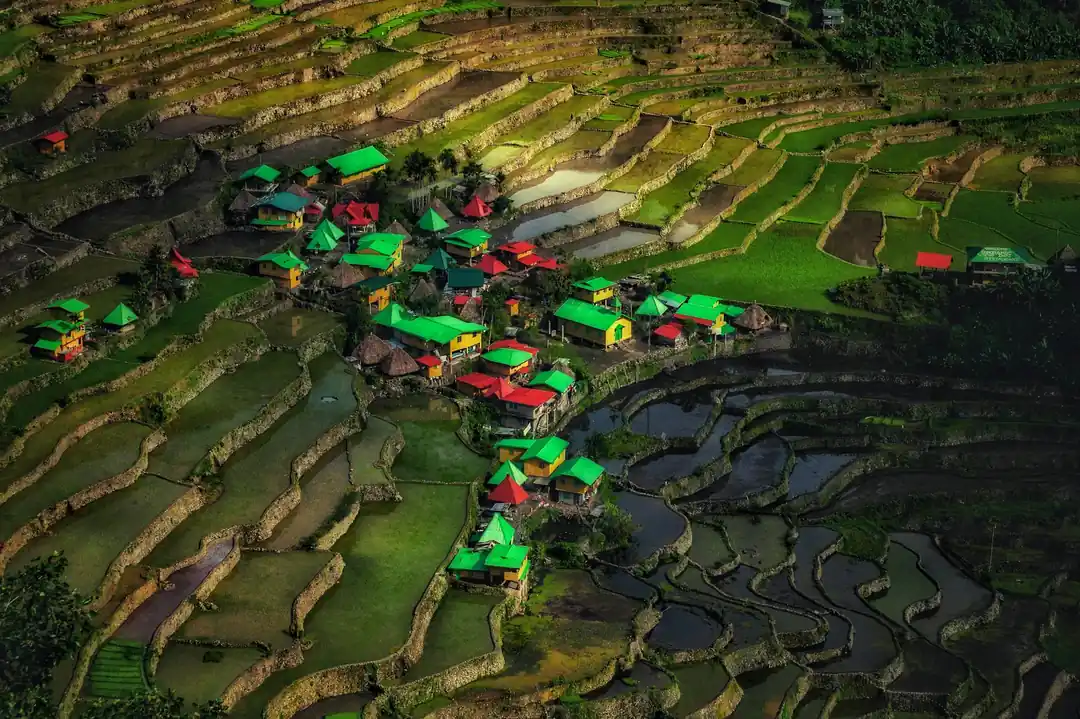
The wet season, which generally spans from June to October, gets a bad rap, but it’s not always a complete washout. In many parts of the country, the rain comes in short, intense bursts in the afternoon, leaving the mornings and evenings clear and sunny. This time of year is often called the "green season" for a reason—the landscapes are incredibly lush, waterfalls are at their most powerful, and the rice terraces are a vibrant, breathtaking green.
One of the biggest advantages of traveling during these months is the lack of crowds. You’ll often find popular spots are much quieter, and you can usually snag better deals on flights and accommodations. It offers a more serene, laid-back experience that can be incredibly rewarding. I once took a trip in July and was amazed by how it felt like I had entire beaches to myself.
However, there’s a significant trade-off to consider: typhoons. The Philippines sits in the Pacific’s typhoon belt, and the season officially runs from June to November. While storms don’t happen every day, the risk is much higher during this period, and they can cause serious travel disruptions, from flight cancellations to ferry suspensions. The eastern seaboard is particularly vulnerable, so if you’re planning to visit places like Luzon or Samar, this is a critical factor. That said, some areas, like Palawan and southern Mindanao, are geographically sheltered and see far fewer storms, making them a safer bet during the wet season.
A Final Thought on Your Perfect Trip
So, what’s the verdict? If you’re after that classic, sun-drenched tropical vacation with minimal risk of rain, the cool, dry months from December to February are your undisputed champion. You’ll get beautiful weather that’s perfect for almost any activity you can think of. If you don’t mind the heat and plan on spending most of your time in the water, March through May is also a fantastic, reliable option.
However, don’t completely write off the green season. If you’re a budget-conscious traveler, prefer fewer crowds, and dream of seeing the landscapes at their most vibrant, traveling between June and November can be a wonderful experience—just be sure to pick your destination wisely (hello, Palawan!) and keep a close eye on the weather forecast.
Ultimately, the Philippines is a country of incredible beauty and warm, welcoming people, and you can have an amazing time no matter when you go. But with a little bit of planning, you can align your trip with the weather that best suits your travel style, ensuring that your dream of paradise becomes a reality. May your skies be clear and your adventures many.
The Ultimate Guide to Traveling the Philippines on a Shoestring Budget
Your Washing Machine vs. Bed Bugs: The Ultimate Guide to Winning

Related Posts
 TRANSPORT
Beyond the Highway: Finding Canada's Soul on a Western Rail Adventure
Forget road trips. I'm talking about rediscovering the romance of travel on Via Rail's most scenic routes through the heart of the Canadian West. It’s an experience that changes you.
 TRAVEL TIPS
The Unwritten Rules of the North: What to Know Before Camping in Canada
Heading to the Great White North for a camping trip? It's an amazing idea. But from campfire etiquette to wildlife wisdom, here’s what you need to know before you go.
Popular Posts

Rethinking Non-Profit Promotion: Creative Strategies That Actually Drive Event Impact

Beyond Stark White: The Best Interior Paint Colors to Light Up Your New Space

How to Actually Master a New Language on Your Own (No Magic Gene Required)
