More Than Stitches and Leather: How to Choose the Right Baseball Glove
Ever wondered why some gloves just *feel* right? It's all about matching your mitt to your position. Let's dive into the nuances of baseball glove selection.
Stepping onto a baseball field has a certain kind of magic, doesn't it? There's an undeniable thrill, a sense of history and possibility that hums in the air. Whether you're a seasoned player who knows every blade of grass on your home diamond or a weekend warrior just starting, the right equipment can make all the difference. And when it comes to America's pastime, few pieces of gear are as personal or as critical as your glove. It’s more than just a piece of leather; it’s an extension of your hand, a trusted partner in every single play.
But let's be honest, walking into a sporting goods store and seeing a wall of gloves can be seriously overwhelming. I remember my first time trying to pick one out for myself. I thought a glove was just a glove. You grab one that fits, maybe punch the pocket a few times, and you're good to go, right? I quickly learned that there's a deep science and a rich tradition behind glove design. It’s not just about looking the part; it’s about giving yourself a real, tangible advantage on the field.
The truth is, the perfect glove for a shortstop is wildly different from the one an outfielder needs. Each position on the diamond has its own unique demands, and the gloves are specifically engineered to meet them. Understanding these differences isn't just for the pros—it's for anyone who wants to play better, feel more confident, and truly connect with the beautiful subtleties of the game.
The Anatomy of a Glove: A Quick Primer
Before we break things down by position, let's cover the basics. The first thing you'll notice is the material. Gloves range from synthetic leather, which is great for young players because it's easy to close and requires almost no break-in time, to high-end, professional-grade leathers. Full-grain leather and steerhide are the workhorses of the baseball world—durable, a bit stiff at first, but they mold beautifully to your hand over time. Then you have premium options like kip leather, which is softer, lighter, and a favorite among pros for its luxurious feel and quicker break-in period.
Next up is the webbing, the woven leather part that connects the thumb and fingers. This isn't just for looks; it's a crucial piece of technology. An "open" web, like an I-Web or H-Web, has gaps in the leather. Infielders love these because any dirt scooped up with a ground ball can fall right through, and it gives them a quicker glance at the ball as they secure it for a fast transfer. A "closed" or "basket" web is a solid piece of leather, perfect for pitchers who need to hide their grip on the ball from the batter.
Finally, there's the fit. A new glove should be snug, but not cramped. You want it to feel like a firm handshake. It will be stiff—that's a good thing! It means you have a quality piece of leather that you get to shape and mold into your perfect tool. The process of breaking in a glove is a rite of passage, a bonding experience between a player and their most important piece of equipment.
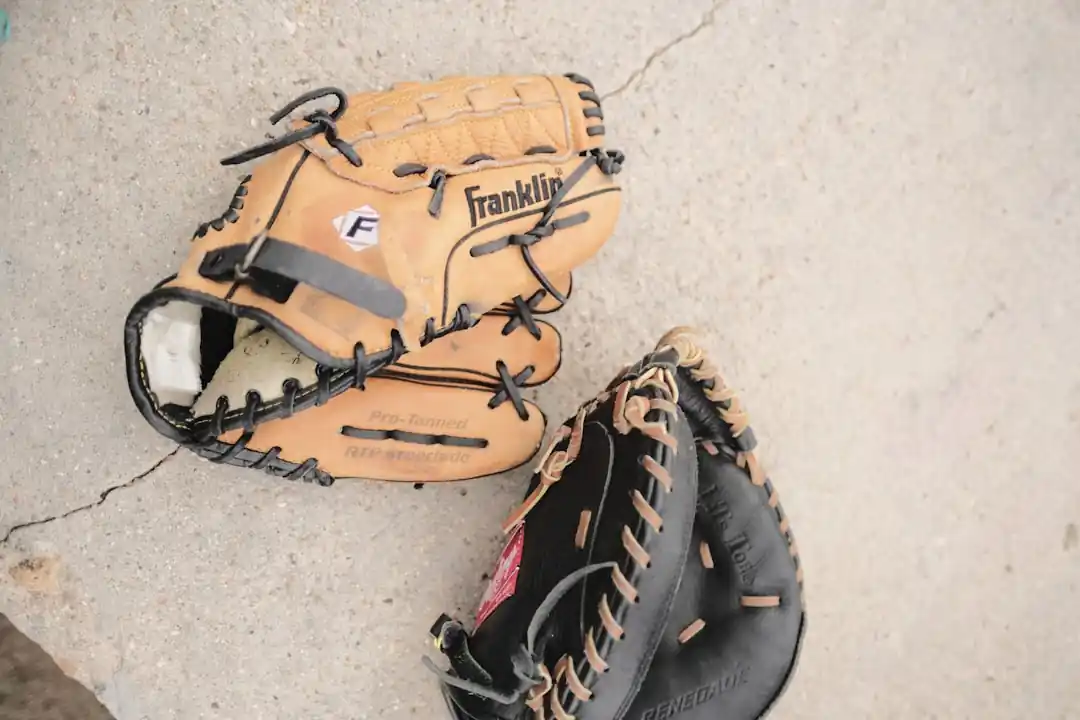
Infielders: The Need for Speed
If you play the infield (second base, shortstop, or third base), your world revolves around quickness. You need to field a ground ball and get it out of your glove and on its way to first base in the blink of an eye. Because of this, infielder's gloves are the smallest on the field, typically ranging from 11 to 12 inches. The smaller size makes the glove lighter and more maneuverable, allowing for those lightning-fast transfers.
The pocket of an infielder's glove is also intentionally shallow. This prevents the ball from getting "lost" in the leather. When you need to turn a double play, you can't afford to be fumbling around for the ball in a deep pocket. As mentioned, you’ll almost always see an I-Web or H-Web on an infielder's glove. It helps with the quick transfer and keeps the glove from getting weighed down with half the infield dirt.
While second basemen and shortstops usually opt for the smallest models, a third baseman—playing the "hot corner"—might go for a slightly larger glove, maybe 11.75 or 12 inches. They face the hardest-hit balls, so a little extra leather for snagging screaming line drives can be a huge confidence booster.
Outfielders: Tracking Down Fly Balls
Patrolling the vast expanse of the outfield is a completely different job. Your priorities are reach and security. You need to be able to run down a fly ball in the gap and be absolutely certain that when the ball hits your glove, it stays there. That's why outfield gloves are the longest on the field, usually measuring between 12.5 and 13 inches. That extra half-inch of length can be the difference between a routine catch and a game-tying double.
The pocket on an outfielder's glove is much deeper than an infielder's. It’s designed to swallow the ball and hold it securely, even when you’re making a diving catch or crashing into the wall. You’ll often see an H-Web or a Trapeze web on these gloves. Both create a deep, secure pocket that gives you the confidence to make any play.
Breaking in an outfield glove is all about creating that perfect, deep pocket. You want it to close around the ball like a Venus flytrap. It takes time and a lot of games of catch, but the result is a reliable tool that feels like a natural extension of your arm.
The Specialists: Pitchers, Catchers, and First Basemen
These three positions have gloves so unique they almost don't look like they belong to the same sport. A pitcher's glove is all about deception. Its main job, besides fielding the occasional comebacker, is to completely hide the pitcher's grip on the ball. For this reason, you will always see a closed web, like a basket web or a two-piece solid web. They are typically medium-sized, around 11.75 to 12.5 inches, offering a good balance of fielding ability and concealment.
The catcher's mitt is less of a glove and more of a shield. It has extra padding to protect the hand from 95-mph fastballs all game long. It doesn't have individual fingers, which allows for that heavy padding and creates a deep, round pocket designed to receive and frame pitches perfectly. It's the most specialized, and arguably the most important, piece of leather on the field.
A first baseman's mitt is also unique. It's longer and has a scooped shape designed to do one thing exceptionally well: dig errant throws out of the dirt. The deep pocket and flexible frame give other infielders a big, reliable target to throw to, which can save a lot of errors over the course of a season.
Finding Your Perfect Match
Choosing a glove is a personal journey. It's about understanding the demands of your position and finding a tool that complements your skills. Don't just grab the most expensive one off the shelf. Take the time to try on different sizes, feel the different leathers, and think about what you really need on the field.
Your glove will become a part of you. It will carry the scuffs from diving plays, the scent of pine tar and freshly cut grass, and the memories of great wins and tough losses. It’s more than just equipment; it’s a keepsake. So choose wisely, break it in with care, and get ready to make some memories.

Panama for First-Timers: A Journey Through History, Nature, and Island Dreams
How to Write a College Application Essay That Actually Feels Like You

Related Posts
 BUYING GUIDES & PRICE INFO
The Clean Beauty Decoder: Your Guide to Actually Understanding Ingredients
Feeling lost in the world of clean beauty? Let's cut through the noise together and learn how to read ingredient labels with confidence. It's easier than you think.
 PRODUCT CATEGORIES
Beyond the Badge: The Real Things to Look For When Buying a Luxury SUV
Thinking about a luxury SUV? It's more than just a status symbol. Let's explore the details that truly matter, from the whisper-quiet ride to the long-term value.

Popular Posts

Rethinking Non-Profit Promotion: Creative Strategies That Actually Drive Event Impact

Beyond Stark White: The Best Interior Paint Colors to Light Up Your New Space

How to Actually Master a New Language on Your Own (No Magic Gene Required)
