When to Wander: Unlocking Russia's Best Weather for Your Adventure
Dreaming of a Russian escapade but wondering when to pack your bags? Let's chat about the sweet spot for weather, because nobody wants their grand adventure dampened by an unexpected blizzard (unless that's your thing!).
Honestly, when I first thought about visiting Russia, my mind immediately conjured images of endless snow, fur hats, and biting winds. And while that’s certainly a reality in the depths of winter, I’ve come to learn that Russia, in its almost incomprehensible vastness, offers a surprisingly diverse climate. The real trick, I’ve found, is aligning your travel dreams with the right season. It’s about finding that sweet spot in the calendar.
So, if you're picturing yourself strolling through grand city squares or cruising along historic canals without turning into a human icicle, when is the best time to go? Let's dive into it, because the answer is more pleasant than you might think.
The Golden Glow of Summer (June to August)
If you're after sunshine and comfortable warmth, then summer is, without a doubt, your golden ticket. From June to August, Russia sheds its heavy winter coat and embraces long, glorious daylight hours. This is when the country truly feels alive. In major cities like Moscow, you can expect average highs around a very comfortable 24°C (75°F), though it’s not uncommon for temperatures to climb into the low 30s (around 86°F) during a heatwave.
What’s truly special about this time of year, especially in St. Petersburg, is the phenomenon of the "White Nights." Around the summer solstice in June, the sun barely dips below the horizon, bathing the city in a magical, ethereal twilight that lasts all night long. Can you imagine anything more enchanting for late-night strolls along the canals? It’s a unique experience that draws people from all over the world.
Of course, summer is peak season, which means more crowds and higher prices. It’s also the rainiest time of year in cities like Moscow and St. Petersburg, but the showers are often short, intense thunderstorms that pass quickly, leaving fresh, clean air in their wake. Just pack a small umbrella, and you’ll be perfectly fine.
The Crisp Beauty of the Shoulder Seasons (April-May & September-October)
Now, if you’re like me and prefer to dodge the biggest crowds while still enjoying pleasant weather, the shoulder seasons are fantastic. Late spring (specifically May) and early autumn (September) offer a wonderful balance of mild temperatures and a more relaxed atmosphere.
In May, the last of the snow has melted away, and the country bursts into bloom. Parks are filled with fresh green leaves and colorful flowers, and there’s a palpable sense of energy as cities emerge from the long winter. Temperatures are mild and comfortable for walking, making it a perfect time to explore.
September, on the other hand, is my personal favorite. It’s a period the Russians call babye leto, or "grandmother's summer"—a beautiful, crisp, and often sunny stretch of early autumn. The summer crowds have thinned, the air is fresh, and the foliage in the countryside and city parks turns into a breathtaking canvas of gold, red, and orange. It’s a photographer’s dream and a wonderfully poetic time to visit.
Embracing the Winter Wonderland (November to March)
I know what you’re thinking: a Russian winter sounds intense. And you’re not wrong. It’s cold. In Moscow and St. Petersburg, temperatures regularly drop to -10°C (14°F) and can go much lower. But if you’re willing to bundle up properly, you’ll be rewarded with a truly magical, fairy-tale experience.
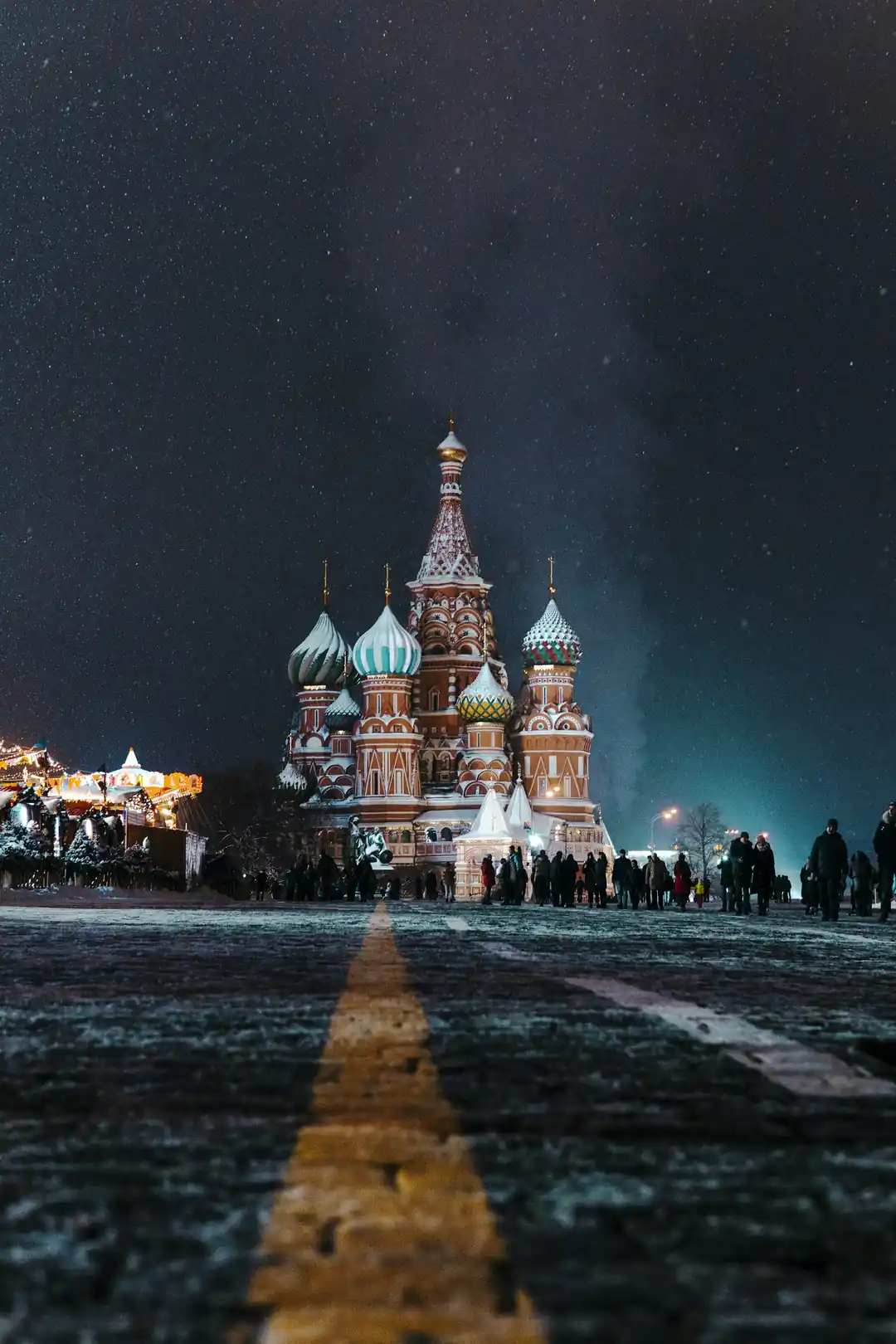
There is nothing quite like the sight of Red Square blanketed in a pristine layer of snow, the onion domes of St. Basil's Cathedral dusted with white. The cities are quieter, the landscapes are stunning, and you get to experience a side of Russia that feels incredibly authentic. It’s a time for ice skating in Gorky Park, warming up with hot tea or mulled wine at a Christmas market, and enjoying the cozy, festive atmosphere. Visiting the grand palaces and museums also offers a perfect refuge from the cold.
So, while summer offers the most conventionally "good" weather, the best time to visit Russia truly depends on the experience you’re seeking. For warmth and vibrant energy, aim for June to August. For a more tranquil, colorful journey, consider May or September. And if you’re a romantic at heart who doesn’t mind the cold, a snowy winter trip could be the most unforgettable adventure of all.
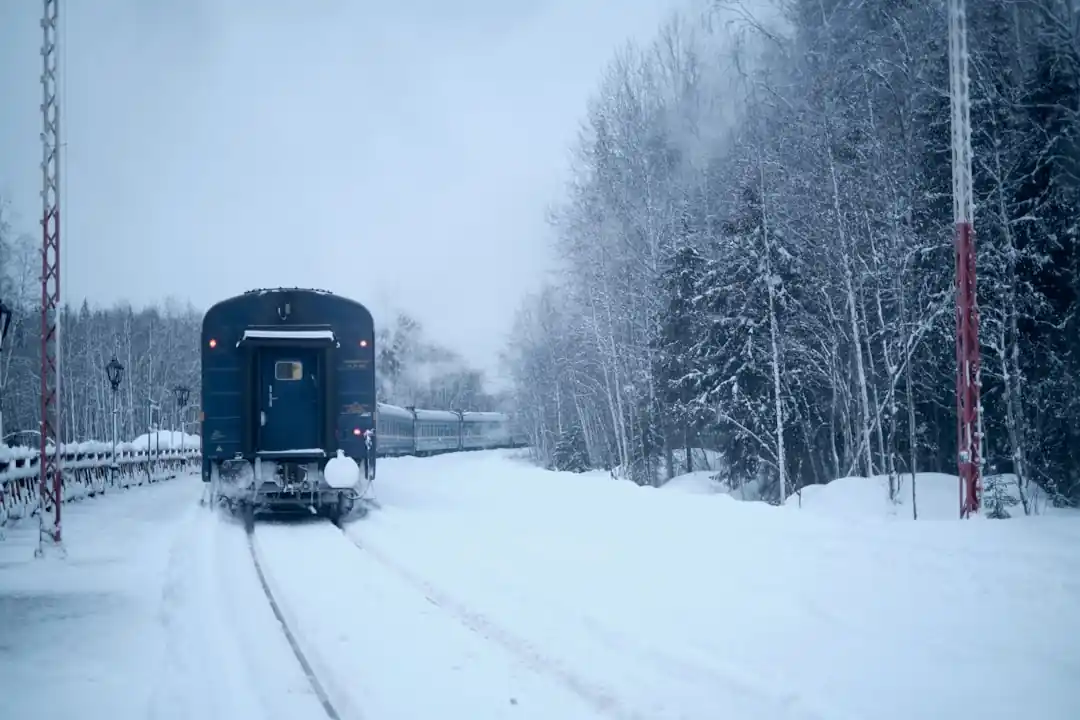
The Epic Whisper of the Rails: A Guide to the Trans-Siberian Railway
Moscow's Timeless Echoes: A Journey Through History's Grandest Stages
Related Posts
 TRANSPORT
Beyond the Highway: Finding Canada's Soul on a Western Rail Adventure
Forget road trips. I'm talking about rediscovering the romance of travel on Via Rail's most scenic routes through the heart of the Canadian West. It’s an experience that changes you.
 TRAVEL TIPS
The Unwritten Rules of the North: What to Know Before Camping in Canada
Heading to the Great White North for a camping trip? It's an amazing idea. But from campfire etiquette to wildlife wisdom, here’s what you need to know before you go.

Popular Posts

Beyond Stark White: The Best Interior Paint Colors to Light Up Your New Space

How to Actually Master a New Language on Your Own (No Magic Gene Required)

The Simple Pre-Workout Fueling Strategy That Saved My Long Runs