It’s more than just a friendly visitor. We’re diving into the science and stories behind why bringing animals into hospitals is one of the most powerful forms of healing.
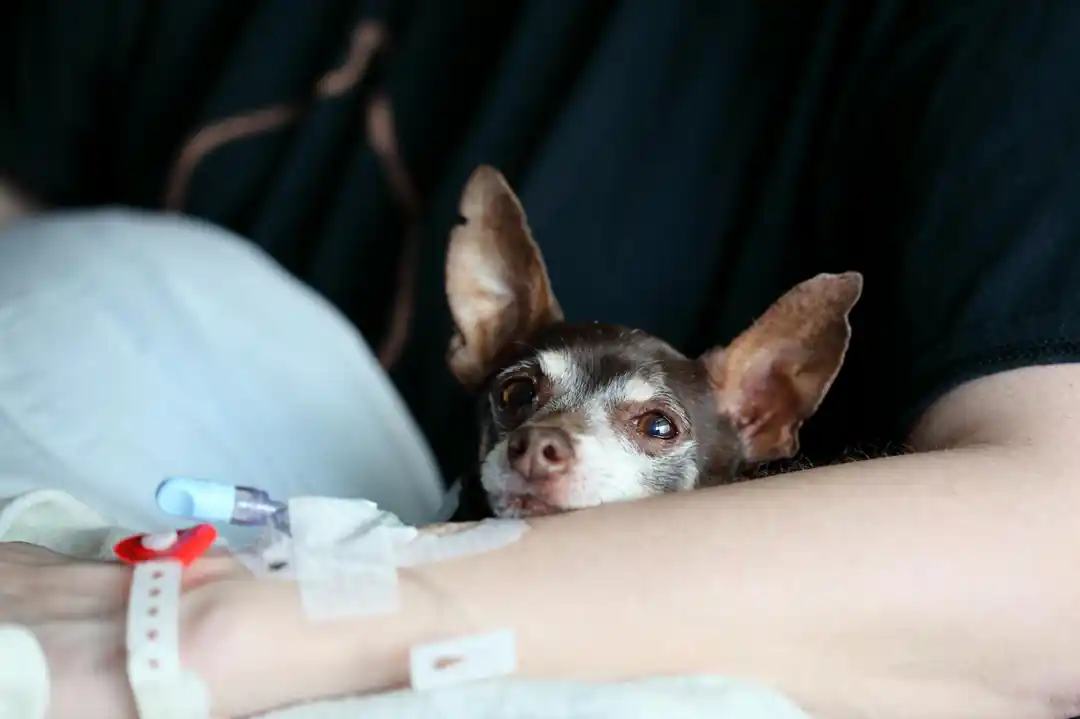
There’s a unique silence that fills a hospital room. It’s a quiet hum of machines, muffled footsteps in the hallway, and the inner monologue of a mind that has too much time to think and worry. I’ve been there, and I know that sterile quiet can feel incredibly loud and isolating. But imagine for a moment, that silence is broken by the soft padding of paws and the gentle nudge of a wet nose. Suddenly, the room doesn’t feel so empty. This is the simple, yet profound, magic of pet therapy.
For a long time, I thought of these programs as a "nice" thing to have—a cute distraction for patients. But the more I’ve read and the more stories I’ve heard, the more I understand that this is not just a feel-good activity. It's a legitimate, evidence-based therapeutic intervention that is changing the way we approach patient care in the United States. It taps into the primal, unspoken bond between humans and animals, offering a form of healing that medicine alone often cannot.
It’s about recognizing that healing is a holistic process. It involves the body, of course, but it also deeply involves the mind and the spirit. When a patient is battling illness or recovering from a major surgery, their emotional state is a critical factor in their physical outcome. And as it turns out, a wagging tail and a pair of loving eyes can be incredibly powerful medicine for the heart and soul.
The Science Behind the Smile
It’s easy to see the immediate joy a therapy animal brings, but the benefits run much deeper than just a smile. When we interact with a friendly animal, our bodies undergo real, measurable physiological changes. The simple act of stroking a dog or cat has been shown to trigger the release of oxytocin, the hormone associated with bonding and well-being. At the same time, it can significantly decrease levels of cortisol, the body's primary stress hormone.
Think about what that means in a hospital setting. A patient who is anxious about an upcoming procedure or feeling the pain of recovery can experience a natural and immediate sense of calm just by spending a few minutes with a therapy animal. Research from institutions like UCLA Health has documented these effects, showing that animal-assisted therapy can lower blood pressure, reduce anxiety, and lessen the perception of pain. It’s a biological response that provides genuine relief.
This isn’t just a placebo effect. It’s our nervous system responding to a non-threatening, affectionate presence. In an environment that is often filled with beeping machines, unfamiliar faces, and a general sense of uncertainty, a therapy animal offers a moment of pure, uncomplicated connection. It’s a grounding experience that can help patients feel more present and less overwhelmed by their circumstances.
A Bridge to Overcome Loneliness and Fear
Beyond the physiological benefits, pet therapy programs are a powerful antidote to the emotional challenges of a hospital stay. Loneliness and depression are incredibly common among patients, especially those facing long-term recovery. The four walls of a hospital room can start to feel like a prison, and human interaction can sometimes be limited to brief, clinical conversations. A therapy animal breaks through that isolation in a way that nothing else can.
They don’t see a patient; they just see a person who is there to give them a gentle scratch behind the ears. They offer unconditional acceptance and affection, free of judgment. For someone who may be feeling defined by their illness, this is an incredibly powerful experience. It’s a reminder of their identity outside of their diagnosis. It’s a moment to simply be a person enjoying the company of a sweet animal.
This is especially true for children. A hospital can be a terrifying place for a child, filled with strange sights, sounds, and procedures. A therapy dog can normalize the environment, providing a welcome and fun distraction. It can motivate them to get out of bed and walk, or give them the courage to face a difficult treatment. The animal acts as a social bridge, helping shy or scared children open up to their doctors and nurses, improving communication and cooperation in their own care.
The Unsung Heroes on Four Paws
It’s important to remember that the animals participating in these programs are not just any pets. They are true professionals. Therapy animals, most often dogs, go through rigorous training and certification processes with their dedicated volunteer handlers. They are selected for their calm temperament, obedience, and ability to remain unfazed by the unpredictable environment of a hospital.
These volunteers and their incredible animals dedicate their time to bringing comfort to strangers. They navigate busy hallways, ride elevators, and gently enter the private spaces of people at their most vulnerable. They work alongside doctors and nurses as a vital part of the care team, understanding the unique needs and limitations of each patient they visit.
The impact of these visits extends beyond the patients. Hospital staff—doctors, nurses, and support staff—also experience immense benefits. The stress and emotional toll of working in healthcare are significant. Taking a few moments to pet a therapy dog in the hallway can be a much-needed moment of respite, helping to reduce burnout and improve morale for the entire hospital community. It’s a ripple effect of positivity that starts with a single, gentle animal.
The next time you hear about a pet therapy program, I hope you see it for what it truly is: an essential and powerful component of modern, compassionate healthcare. It’s a beautiful reminder that sometimes, the most effective medicine doesn’t come in a bottle, but on a leash, with a wagging tail and a heart full of love to give.

The Ultimate Hurricane Emergency Kit: Are You Forgetting These Lifesaving Items?
Beyond Flowers: The Most Thoughtful Get-Well Gifts for a Hospital Stay

Related Posts
 HOBBIES
The Beginner's Guide to Reading the Night Sky: How to Spot Your First Constellations
A friendly, grounded guide to navigating the night sky, understanding stellar movements, and spotting iconic constellations without expensive gear.
 PETS
PETSSniffle-Free Snuggles: America's Most-Loved Hypoallergenic Dogs
Dreaming of a furry friend but dreading the sneezes? You're not alone. Let's dive into the wonderful world of popular hypoallergenic dog breeds in the US.

Popular Posts

Beyond Stark White: The Best Interior Paint Colors to Light Up Your New Space

How to Actually Master a New Language on Your Own (No Magic Gene Required)

The Simple Pre-Workout Fueling Strategy That Saved My Long Runs