Ready to build an incredible bond with your new pup? It all starts with a few simple words. Here’s how to teach the essential commands that create a happy, well-behaved dog.
Bringing a dog into your home is one of life’s purest joys. Suddenly, your world is filled with goofy grins, happy tail wags, and unconditional love. But amidst the cuddles and chaos, you quickly realize there needs to be some common language, a way to navigate the world together safely and happily. That’s where training comes in, and honestly, it’s not as daunting as it sounds. It’s not about being a strict drill sergeant; it’s about building a beautiful bridge of communication between you and your new best friend.
I remember feeling a little overwhelmed at first. Where do you even begin? The internet is a firehose of information, with a million different methods and opinions. But after talking with trainers and poring over resources from trusted sources like the American Kennel Club, I realized it all boils down to a few foundational commands. These aren't just party tricks; they are the building blocks for a well-behaved dog and a stress-free life. Mastering them together, right in the comfort of your own home, doesn’t just teach your dog manners—it deepens your bond in a way you can’t even imagine.
The Foundation: Before You Say a Word
Before we even get into the commands themselves, let's talk about the mindset. The most effective, humane, and frankly, fun way to train is through positive reinforcement. This is the gold standard, supported by animal behaviorists everywhere. The concept is simple: reward the behavior you want to see more of. When your dog does something right, you immediately follow it with something they love—a high-value treat, enthusiastic praise ("Good boy!"), or a favorite toy. This creates a powerful association in their mind: "When I do this, good things happen!"
To set yourself up for success, keep your training sessions short and sweet, especially with puppies whose attention spans are notoriously brief. Aim for just 5-10 minutes, a few times a day. This prevents your dog (and you!) from getting frustrated. Also, find what truly motivates your dog. For most, it’s a small, soft, smelly treat that they don’t get any other time. Think tiny pieces of chicken, cheese, or a store-bought training treat. The goal is to make the reward so exciting that they’re eager to work for it. And always, always end on a positive note, with a command you know they can do, so you both finish feeling successful.
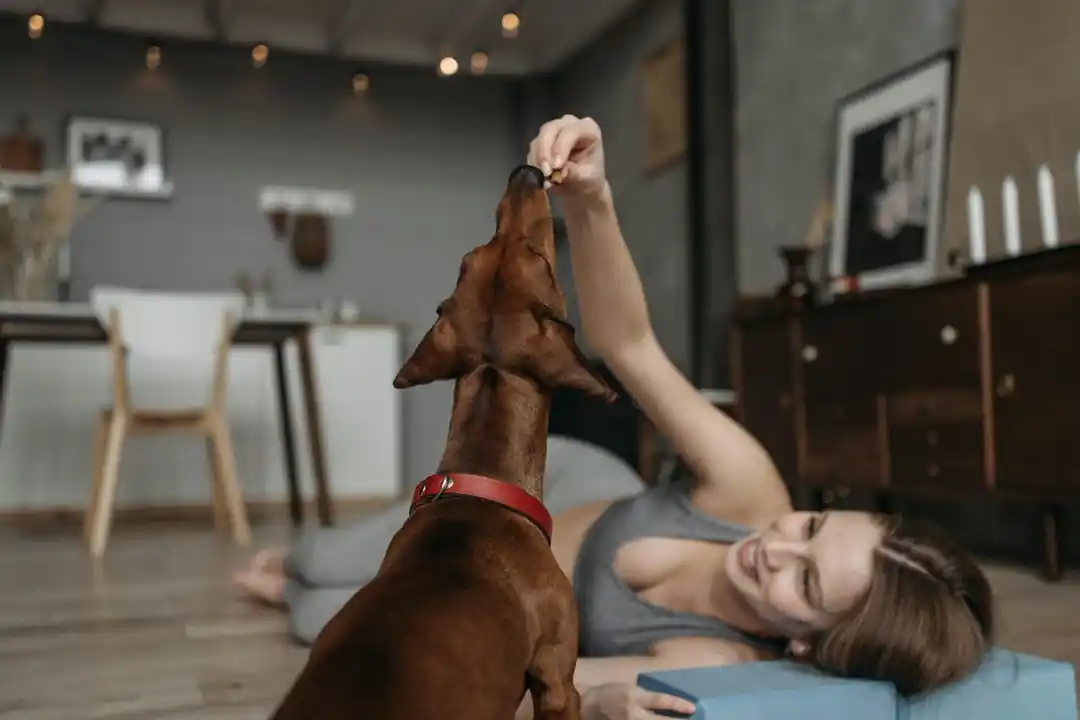
The 5 Core Commands to Master
Once you've got your treats and your positive attitude ready, you can start with the fun stuff. These five commands are the absolute essentials that provide safety, structure, and a common language for you and your pup.
1. Sit
This is often the first command people teach, and for good reason. It’s a great starting point and a useful default behavior. A dog that is sitting can’t be jumping on guests or bolting out the door.
How to Teach It:
- Hold a treat near your dog’s nose.
- Slowly move your hand up and slightly back over their head. As their nose follows the treat up, their bottom will naturally go down into a sit.
- The moment their butt hits the floor, say "Yes!" or click your clicker, and give them the treat.
- After a few repetitions, you can start adding the verbal cue "Sit" right as they are beginning the motion. With practice, they'll begin to associate the word with the action.
2. Come
This one is a potential lifesaver. A reliable recall ensures your dog will return to you, whether they’ve slipped their leash or are just across the dog park. The key is to make coming to you the best thing that could possibly happen.
How to Teach It:
- Start in a quiet room. Say your dog’s name followed by "Come!" in an excited, happy tone.
- As they start to move toward you, praise them enthusiastically.
- When they get to you, reward them with a jackpot of treats and lots of affection.
- Never, ever call your dog to punish them. You want them to always associate "Come" with a wonderful, positive experience. Practice this in different rooms, then in your yard, and eventually in more distracting environments.
3. Down
The "Down" command is a calming position. It’s fantastic for settling your dog in exciting situations, like when you have company over or you’re at a pet-friendly cafe. It asks for more submission than a "Sit," so be patient.
How to Teach It:
- Ask your dog to "Sit."
- Hold a smelly treat in your hand and lower it between their paws.
- To follow the treat, they will have to lie down. The instant their elbows touch the ground, mark the moment with "Yes!" and reward them.
- Once they get the hang of the motion, start adding the cue "Down" as they begin to lower themselves.
4. Stay
"Stay" is a command of self-control. It teaches your dog to hold a position until you release them. This is incredibly useful for everything from preventing them from dashing out the door to taking photos.
How to Teach It:
- Ask your dog to "Sit" or "Down."
- Hold your hand up in a "stop" signal and say "Stay."
- Take just one small step back. If they hold their position for even a second, step back to them, praise them calmly, and give them a treat.
- Gradually increase the duration and the distance. The key is to go slow. If they break the stay, don’t scold them. Simply guide them back to the spot and try again with an easier duration. Always return to your dog to give the reward; don't call them out of a stay.
5. Leave It
This might be the most important safety command. "Leave It" teaches your dog to ignore a dropped item (or dropped food!) rather than gobbling it up. It can prevent them from eating something dangerous on a walk or snatching food off the kitchen counter.
How to Teach It:
- Place a low-value treat (like a piece of their kibble) in your closed fist. Let your dog sniff and lick your hand. They’ll eventually get frustrated and back off. The moment they pull their head away, say "Yes!" and give them a much better treat from your other hand.
- Repeat this until they are automatically moving away from your fist. Now, you can add the "Leave It" cue as you present your closed fist.
- The goal is to teach them that ignoring the first item gets them something even better from you.
Weaving Training into Your Daily Life
The real secret to a well-trained dog isn’t marathon training sessions; it’s consistency. Look for opportunities to practice these commands throughout the day. Ask for a "Sit" before you put their food bowl down. Have them "Stay" while you open the door to get the mail. Practice "Down" while you’re watching TV. These small, everyday interactions reinforce the training and show your dog that listening to you is a normal and rewarding part of life.
Remember that this is a journey, not a race. Every dog learns at a different pace. There will be good days and not-so-good days. The most important thing you can do is stay patient, positive, and celebrate the small wins. The effort you put in now will pay off for years to come, creating a confident, well-adjusted companion and a bond that is truly unbreakable. You’re not just teaching commands; you’re learning to speak the same language. And that’s a beautiful thing.

Beyond the Purr: A Guide to Your Cat's Silent Health Signals
Your First Stitch: A Beginner’s Guide to Essential Knitting Tools

Related Posts
 HOBBIES
The Beginner's Guide to Reading the Night Sky: How to Spot Your First Constellations
A friendly, grounded guide to navigating the night sky, understanding stellar movements, and spotting iconic constellations without expensive gear.
 PETS
PETSSniffle-Free Snuggles: America's Most-Loved Hypoallergenic Dogs
Dreaming of a furry friend but dreading the sneezes? You're not alone. Let's dive into the wonderful world of popular hypoallergenic dog breeds in the US.

Popular Posts

Rethinking Non-Profit Promotion: Creative Strategies That Actually Drive Event Impact

Beyond Stark White: The Best Interior Paint Colors to Light Up Your New Space

How to Actually Master a New Language on Your Own (No Magic Gene Required)
