Ever wondered if you could tackle your furry friend's grooming needs right at home? It's more achievable than you think, and honestly, it's a wonderful way to deepen your bond while keeping them looking and feeling their best.
Life with our beloved dogs and cats is a whirlwind of joy, cuddles, and, let's be honest, a fair bit of fur. While professional groomers are absolute superheroes, the idea of bringing some of that pampering in-house has always appealed to me. Not just for the convenience or the potential savings (which, let's face it, can be substantial over time!), but for that unique connection that forms when you're tending to your pet's needs with your own hands. It’s a quiet, intimate dance of trust and care.
I used to think at-home grooming was reserved for the pros, or at least for people with far more patience and skill than I possessed. But after a little research and a lot of trial and error with my own furry crew, I've discovered it's entirely doable for beginners. It’s less about achieving a show-dog perfect trim and more about maintaining their health, comfort, and overall happiness. Plus, it’s an incredible opportunity to check in on their physical well-being, spotting any little bumps or changes that might otherwise go unnoticed.
It’s a sentiment echoed by many vets and groomers. The American Kennel Club, for instance, often emphasizes that grooming is a critical part of a dog's health, not just for cosmetic reasons. When you're the one doing the brushing and bathing, you become the first line of defense in noticing potential health issues, from skin allergies to new lumps. It transforms a simple task into a proactive wellness check, and that peace of mind is invaluable.
Brushing: More Than Just for Show
The cornerstone of any grooming routine is, without a doubt, regular brushing. It might seem like a simple task, but its benefits are immense. For starters, it’s the most effective way to manage shedding. Instead of finding fur on every surface of your home, you’re collecting it in a brush, which is a win for everyone. But more importantly, it prevents the formation of painful mats and tangles, especially in long-haired breeds. These mats can pull at the skin, causing discomfort and even leading to serious skin infections if left unchecked.
Think of brushing as a mini-massage and health inspection rolled into one. As you work the brush through their coat, you're stimulating blood circulation and distributing natural skin oils, which leads to a healthier, shinier coat. It’s also the perfect time to do a full-body scan. I’ve read countless stories from pet owners who discovered fleas, ticks, or unusual bumps during a routine brushing session, allowing them to seek veterinary care much earlier than they might have otherwise.
The key is to make it a positive experience. Start with short sessions, especially if your pet isn't used to it. Use a calm, reassuring voice and have plenty of treats on hand. Find a comfortable spot and let them sniff the brush before you begin. With a little patience, what might start as a chore can quickly become a cherished bonding ritual that both you and your pet look forward to.
The Essential Toolkit for Home Grooming
Before you even think about getting your pet wet or trimming their nails, gathering the right tools is non-negotiable. Using equipment designed for humans can be ineffective at best and dangerous at worst. Investing in a few quality, pet-specific items will make the entire process smoother, safer, and far more pleasant for your furry companion.
For brushing, the right tool depends entirely on your pet's coat. A slicker brush is fantastic for working through tangles and removing loose undercoat on medium-to-long-haired dogs and cats. For short-haired breeds, a rubber curry brush or a bristle brush is perfect for removing loose fur and dander. If you have a double-coated dog like a Husky or a Golden Retriever, an undercoat rake is an absolute game-changer during shedding season.
When it comes to nail care, you have options. Many people start with traditional scissor-style or guillotine-style clippers. However, a nail grinder is becoming an increasingly popular alternative, as it allows you to file down the nail gradually, reducing the risk of cutting into the quick (the sensitive part of the nail). Whichever you choose, make sure to have styptic powder nearby just in case of an accident. Finally, a gentle, soap-free pet shampoo and some old towels are essential for bath time.
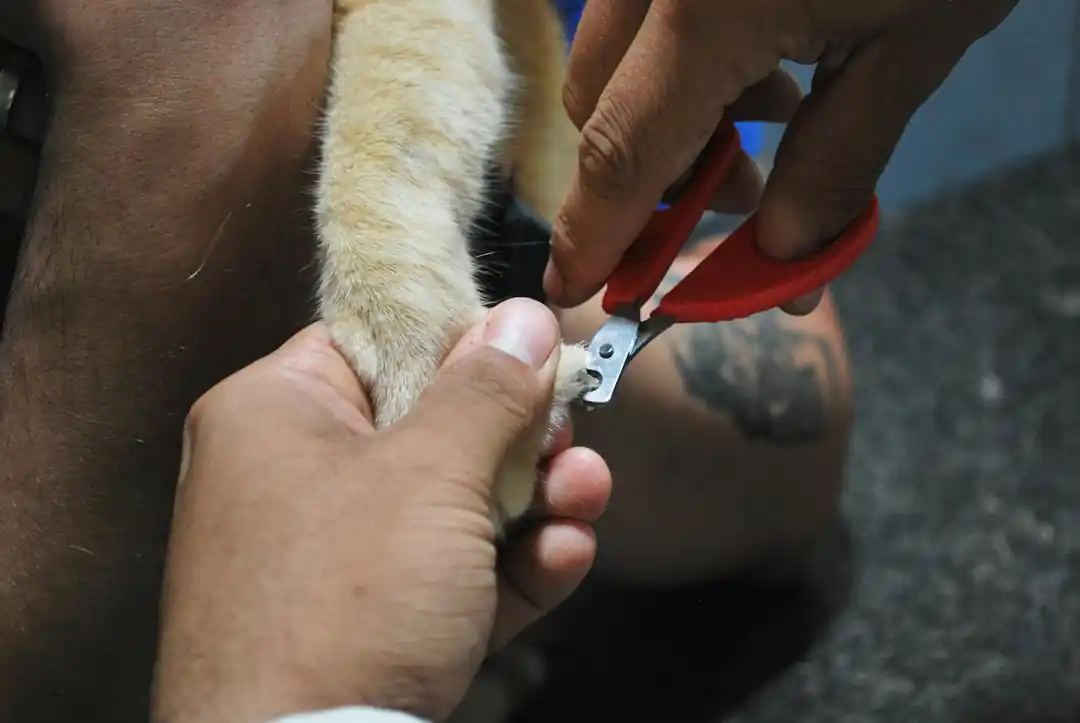
Nailing It: A Guide to Stress-Free Nail Trims
The thought of trimming a pet’s nails can be intimidating for any owner. We’ve all heard the horror stories about cutting the quick, and the fear of causing pain is very real. However, letting nails get too long can cause a host of problems, from discomfort and difficulty walking to joint issues down the line. With the right approach, you can absolutely master the at-home manicure.
The first step is to get your pet comfortable with having their paws handled. Start by simply touching and holding their paws for a few seconds at a time, rewarding them with praise and a high-value treat. Once they're comfortable with that, you can introduce the clippers or grinder. Let them sniff it, then touch it to their nail without actually trimming. Treat and praise. This gradual desensitization process is crucial for building a positive association.
When you’re ready to trim, hold their paw firmly but gently. If you're using clippers, trim only the very tip of the nail, at a slight angle. On light-colored nails, the pink quick is easy to see and avoid. On dark nails, it’s much harder, so be extra cautious and only take off tiny slivers at a time. If you’re using a grinder, you have more control to slowly file the nail down. Remember, it’s always better to take off too little than too much. And if your pet gets stressed, stop and try again another day. Short, successful sessions are the goal.
Bath Time Without the Battle
Ah, bath time. For some pets, it's a joyous splash fest. For others, it's a dramatic ordeal. The key to a less stressful bath is preparation and a calm demeanor. Before you even turn on the water, get everything you need within arm's reach: shampoo, towels, and a non-slip mat for the tub. Brushing your pet thoroughly before the bath is a critical step, as water can tighten existing mats and make them nearly impossible to remove.
Use lukewarm water—not too hot, not too cold—and a detachable shower head if you have one, as it gives you much better control. Gently wet your pet from the neck down, being careful to avoid getting water in their ears, which can lead to infections. A small piece of cotton in each ear can offer some protection. Lather up with a pet-specific shampoo, working it gently into their coat.
Rinsing thoroughly is just as important as washing. Leftover shampoo residue is a common cause of skin irritation and itchiness, so rinse until the water runs completely clear. When you’re done, gently squeeze out the excess water and wrap them in a towel for a good rubdown. Some pets tolerate a blow dryer on the lowest, coolest setting, but many prefer to just air dry in a warm room. Whatever you do, finish with lots of praise and maybe a special post-bath treat. You both earned it.
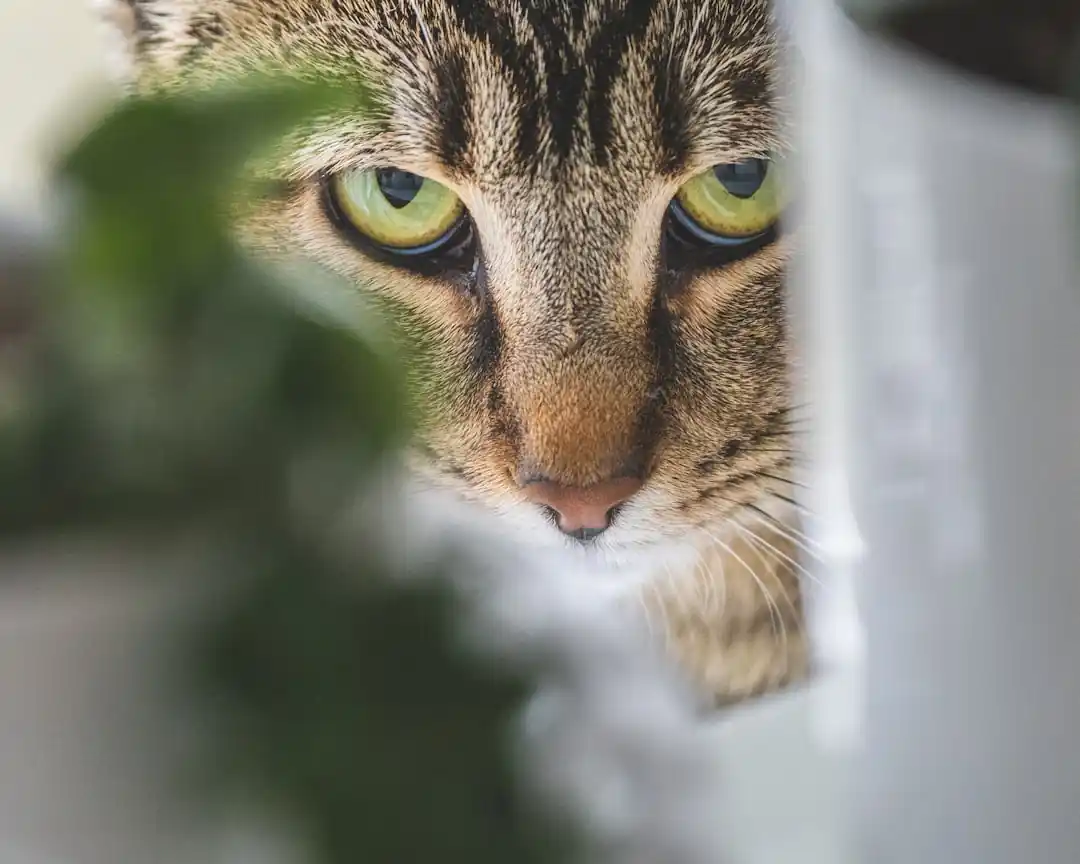
Cracking the Cat Code: What Your Feline Friend Is Really Telling You
How to Start a Journaling Practice for Self-Reflection (and Actually Stick With It)

Related Posts
 HOBBIES
The Beginner's Guide to Reading the Night Sky: How to Spot Your First Constellations
A friendly, grounded guide to navigating the night sky, understanding stellar movements, and spotting iconic constellations without expensive gear.
 PETS
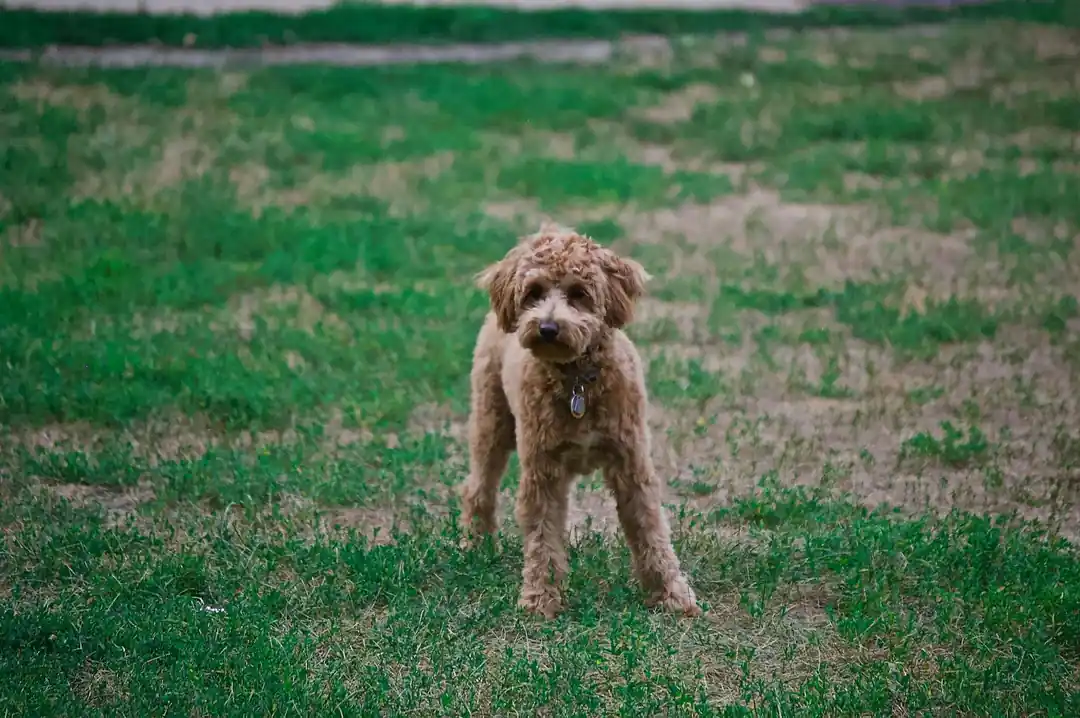
PETSSniffle-Free Snuggles: America's Most-Loved Hypoallergenic Dogs
Dreaming of a furry friend but dreading the sneezes? You're not alone. Let's dive into the wonderful world of popular hypoallergenic dog breeds in the US.

Popular Posts

Rethinking Non-Profit Promotion: Creative Strategies That Actually Drive Event Impact

How to Actually Master a New Language on Your Own (No Magic Gene Required)

The Simple Pre-Workout Fueling Strategy That Saved My Long Runs