Living in an earthquake-prone area comes with a certain level of uncertainty. Let's talk about a powerful, proactive step you can take to protect your home and family: seismic retrofitting.
There’s a unique feeling that comes with living in a place that’s truly alive, where the ground beneath our feet has its own pulse. But in many parts of the U.S., that pulse can sometimes become a tremor, a shake, a stark reminder of nature's power. For homeowners, that reminder often brings a wave of questions: Is my house safe? Is it strong enough? What would happen if the "big one" hit? It’s a heavy thought, and one that used to keep me up at night.
I used to think that preparing for an earthquake was a passive activity—stocking up on water, making an emergency kit, and hoping for the best. But then I discovered seismic retrofitting, and my perspective completely shifted. It’s not about building an indestructible fortress; it’s about giving your home—your sanctuary, your biggest investment—a fighting chance. It’s about transforming anxiety into action and building a foundation of resilience, both literally and figuratively.
This isn't just a construction project. It's a conversation about safety, security, and the peace of mind that comes from knowing you’ve done everything you can to protect your family. So, let's pull back the curtain on what seismic retrofitting really means for you and your home.
What is Seismic Retrofitting, Really?
In the simplest terms, seismic retrofitting is the process of strengthening an existing house to make it more resistant to the violent shaking that occurs during an earthquake. Many homes, especially those built before the 1980s, were constructed before modern seismic building codes were fully developed and enforced. They simply weren't designed to handle the powerful side-to-side (lateral) forces that can cause a house to slide off its foundation or collapse.
Think of it like this: an older home might have a strong frame, but if it's not properly attached to its foundation, it's like a shoebox sitting loosely on a skateboard. When the shaking starts, the box can easily slide off. The primary goal of a seismic retrofit is to create a single, unified structure that moves with the ground during an earthquake, rather than being torn apart by it.
This process involves adding new hardware and structural components to reinforce the weak points. It’s a targeted upgrade, focusing on the areas that engineers and builders have identified as most vulnerable from studying the aftermath of past earthquakes. By addressing these specific weaknesses, you can dramatically improve your home's ability to withstand a seismic event, protecting both the structure and the people inside.
The Core Techniques: How Your Home Gets Stronger
While every home is unique, most seismic retrofits for single-family homes focus on a few key areas, particularly the connection between the wood frame of the house and its concrete foundation. These are the most common and effective techniques you'll encounter.
One of the most fundamental steps is foundation bolting, or "anchoring." This is exactly what it sounds like: installing heavy-duty steel bolts through the sill plate—the first piece of wood that rests on top of the foundation—and securing it into the concrete. These anchor bolts act as a critical connection, preventing the house from shifting or sliding off its foundation during an earthquake. Without them, the lateral forces can easily overcome the simple friction holding your house in place.
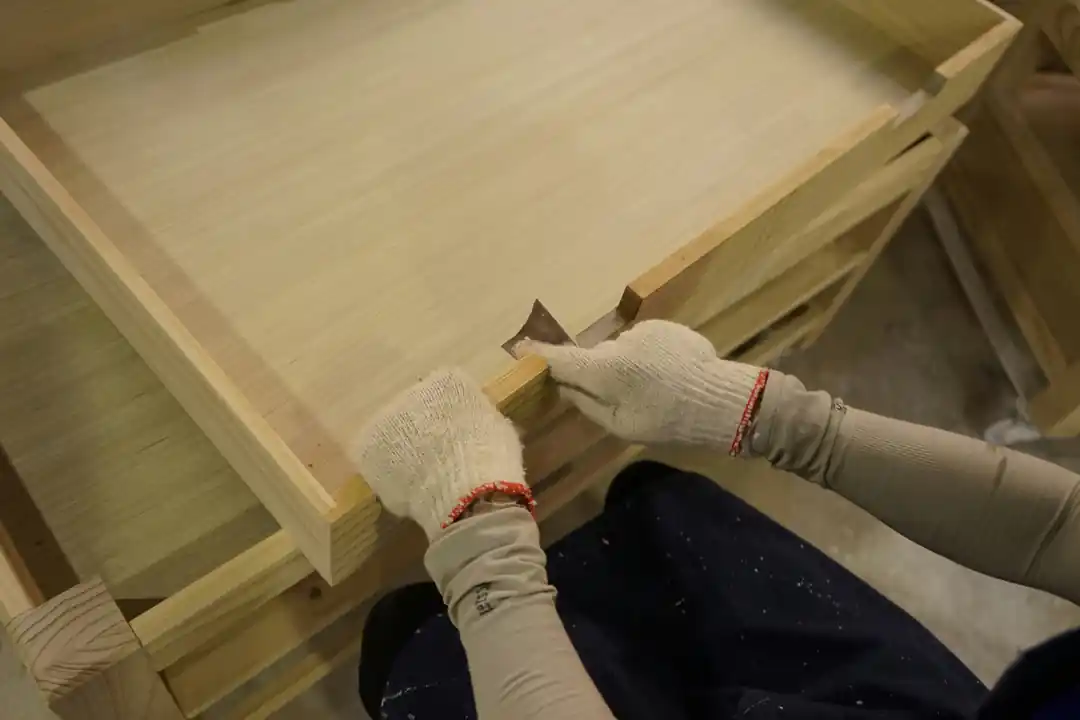
For houses with a raised foundation, there's often a short, wood-framed wall in the crawl space between the foundation and the first floor. This is known as a cripple wall. During an earthquake, these unbraced walls are incredibly vulnerable; they can buckle and collapse, causing the entire house above to drop and shift. To prevent this, contractors perform cripple wall bracing. This involves sheathing the cripple walls with structural-grade plywood, turning them into robust "shear walls" that can resist the horizontal forces and prevent a catastrophic collapse.
Finally, some homes have what's known as a "soft story," which is a level with large, unreinforced openings. The most common example is a living space built over a garage. The large garage door opening creates a structural weak point. Retrofitting a soft story is a more complex job that often involves installing steel moment frames or strong plywood shear walls around the garage openings to provide the necessary rigidity and prevent the upper floor from collapsing.
The Real-World Benefits: Is It Worth the Investment?
Let's talk about the bottom line. A seismic retrofit is a significant investment, with costs for a standard brace-and-bolt project typically ranging from $3,000 to $7,000, and more for complex jobs like soft-story reinforcement. So, is it truly worth it? The data overwhelmingly says yes, and for reasons that go far beyond the structure itself.
The most important benefit, of course, is safety. A retrofitted home is far less likely to suffer a major collapse, which is the primary cause of injury and death during an earthquake. It provides a safer environment for your family, and it dramatically increases the chances that your home will remain livable after a major seismic event, sparing you the trauma and expense of displacement.
The financial argument is just as compelling. FEMA and other organizations have conducted studies showing that for every dollar spent on hazard mitigation like seismic retrofitting, you can save anywhere from $4 to $11 in post-disaster repair costs. The cost to lift a house back onto its foundation and repair the resulting damage can easily exceed $100,000. Furthermore, many insurance companies in states like California offer significant discounts on earthquake insurance premiums for retrofitted homes, which can help offset the initial cost over time.
In many earthquake-prone states, there are also government-backed programs that can help. For example, the California Earthquake Authority's Brace + Bolt program offers grants of up to $3,000 to help homeowners in high-risk ZIP codes offset the cost of a retrofit. It's always worth researching what grants or rebates might be available in your specific area.
Ultimately, choosing to retrofit your home is about taking control in a situation that can often feel uncontrollable. It’s a powerful, tangible step toward safeguarding your future. It’s an investment not just in wood and steel, but in the enduring sense of security that turns a house into a home. Taking the time to understand your home's vulnerabilities and exploring your options is a journey worth taking, for the peace of mind it brings is truly priceless.
A Homeowner's Guide to Earthquake-Proofing Your Water Heater
Feed Your Focus: The Surprisingly Simple Foods That Sharpen Your Mind

Related Posts
 INTERIOR IDEAS
Beyond Stark White: The Best Interior Paint Colors to Light Up Your New Space
Discover how moving away from flat white walls to soft pale blues, earthy sage greens, and cozy warm neutrals can naturally brighten your home.
 HOME IMPROVEMENT
The Honest Winter Energy Guide: How I Cut Heating Costs Without Freezing
Practical, research-backed ways to keep your home warm and your utility bills reasonable this winter, from simple DIY sealing to smart habits.

Popular Posts

Rethinking Non-Profit Promotion: Creative Strategies That Actually Drive Event Impact
Beyond Stark White: The Best Interior Paint Colors to Light Up Your New Space

How to Actually Master a New Language on Your Own (No Magic Gene Required)