Heading to the slopes of Whistler? I get it, packing can be a puzzle. Here’s a real-talk guide on what you actually need, from the essential layers on the mountain to staying cozy in the village.
There’s a certain magic to planning a trip to Whistler, isn't there? The moment you commit, your mind starts to wander. You can almost feel the crisp mountain air, hear the crunch of snow under your boots, and see those vast, white-dusted peaks stretching into a brilliant blue sky. It’s a place that promises adventure, and it always delivers. But between the daydreams and the departure date, there's that one logistical hurdle that can feel surprisingly complex: packing.
Honestly, I’ve been there. My first trip was a classic case of overpacking the wrong things and completely forgetting the essentials. I had plenty of cute sweaters, but my choice of a cotton base layer left me shivering on the chairlift. Whistler’s weather is a unique beast—powerfully cold on the peaks but often milder and wetter in the village, thanks to its coastal proximity. Nailing your packing list is the secret to being able to embrace every single moment, from that first glorious run of the day to a spontaneous après-ski session. So, let's get into it, and I’ll share what I’ve learned so you can pack smarter, not harder.
On the Slopes: The Art of the Layering System
If there is one piece of advice I can give you, it’s this: master the art of layering. It is, without a doubt, the most critical part of staying comfortable on the mountain. The temperature can swing dramatically from the base to the peak, and your own body temperature will fluctuate as you exert yourself. A solid layering system lets you adapt in real-time. Think of it as your personal thermostat.
It all starts with your base layer. This is the layer that sits right against your skin, and its sole purpose is to wick sweat away to keep you dry. This is not the place for cotton. I repeat: do not wear cotton. It absorbs moisture and will leave you feeling damp and chilled to the bone. Instead, invest in a good set of long underwear made from merino wool or a high-quality synthetic fabric. Merino wool is my personal favorite; it’s incredibly warm, breathable, and naturally odor-resistant, which is a nice bonus.
Next comes the mid-layer, which is your primary source of insulation. This is where you trap your body heat. A fleece jacket, a lightweight down puffy jacket, or a synthetic insulated vest are all fantastic options. On colder days, I’ll often wear a fleece, and then keep a packable puffy jacket in my backpack just in case. The versatility is key. You can easily shed this layer if the sun comes out and you start to heat up during a challenging run.
Finally, you have your outer layer, or your shell. This is your shield against the elements—wind, snow, and moisture. For Whistler, where the snow can sometimes be heavy and wet, a high-quality waterproof and windproof jacket and pants are non-negotiable. Look for gear with a good waterproof rating (15,000mm or higher is a great target) and features like taped seams and waterproof zippers. Many skiers prefer a "shell" jacket (with no insulation) so they can have full control over their warmth with their mid-layers. Also, look for vents! Underarm and thigh vents are a lifesaver for releasing heat on a long, leg-burning run.
Beyond the Layers: Essential Gear and Accessories
Once your clothing system is dialed in, it’s time to think about the gear that protects your extremities and keeps you safe. A helmet is an absolute must. It keeps your head safe, warm, and dry. Make sure it fits snugly and is compatible with your goggles. A good pair of goggles is crucial for visibility and protecting your eyes from UV rays and wind. I highly recommend getting a pair with interchangeable lenses—one for bright, sunny days and another for overcast, flat-light conditions. The difference in visibility is astounding.
Your hands and feet are often the first to get cold, so don't skimp here. Invest in a pair of waterproof ski gloves or mittens. Mittens are generally warmer as they keep your fingers together, but gloves offer more dexterity. For your feet, a pair of thin or medium-weight ski socks made from merino wool or a synthetic blend is what you need. Avoid thick, bulky socks, as they can cut off circulation and actually make your feet colder. And please, only one pair of socks inside your boots!
A neck gaiter or balaclava is another small item that makes a huge difference. It can be pulled up over your face to protect you from windburn on the chairlift and adds a significant amount of warmth. Lastly, while you can rent most of the big-ticket items, many seasoned skiers choose to invest in their own ski boots. A well-fitting boot is the single most important piece of equipment for both comfort and performance. If you rent, make sure you get them properly fitted by a professional.
In the Village: Staying Cozy and Casual
Whistler’s charm extends far beyond its slopes. The pedestrian-only village is a bustling hub of shops, restaurants, and galleries, and it has a vibe all its own. The dress code is decidedly "mountain casual." It’s all about being warm, comfortable, and practical, with a touch of style. No one is dressed to the nines, so you can leave the formalwear at home.
The most important item for village life is a pair of comfortable, waterproof winter boots with good grip. You’ll be walking on snowy, and sometimes icy, paths, so traction is key. Brands like Sorel or Blundstone are local favorites for a reason. Pair these with some cozy wool socks, and your feet will be happy.
For clothing, think cozy sweaters, comfortable jeans or leggings, and a warm, non-ski winter coat. It’s nice to have a separate jacket for the evenings so you can leave your potentially damp ski gear to dry back at your hotel. Layering still applies here; you might wear a long-sleeved tee under a sweater so you can adapt to the temperature inside a warm restaurant or pub. And don’t forget a beanie (or toque, as the Canadians say!), a scarf, and a casual pair of gloves for walking around.
The "Don't Forgets": Small Items, Big Impact
Finally, there’s a list of small, miscellaneous items that are easy to forget but can make a world of difference. The sun is incredibly strong at altitude, and its reflection off the snow is intense. Pack sunscreen and an SPF lip balm and apply them generously, even on cloudy days. A small, comfortable backpack is also super useful for carrying on the mountain, allowing you to stash a layer, a water bottle, some snacks, and your phone.
Speaking of your phone, the cold can drain your battery with surprising speed. A portable charger can be a lifesaver if you’re using your phone for photos or navigation. And on that note, don’t forget your swimsuit! So many hotels and condos in Whistler have outdoor hot tubs, and there is truly nothing better than soaking your tired muscles under the stars while the snow falls gently around you. It’s the perfect end to a perfect day.
Packing for Whistler is about being prepared for the adventure. It’s about ensuring that nothing, especially not the weather, gets in the way of you experiencing the pure joy of this incredible place. I hope this helps you pack with confidence, so you can focus on what really matters: making memories that will warm you up for years to come.
The Best Ways to Get From Vancouver Airport to Whistler
Whistler Without the Hike: Your Ultimate Summer Guide
Related Posts
 TRANSPORT
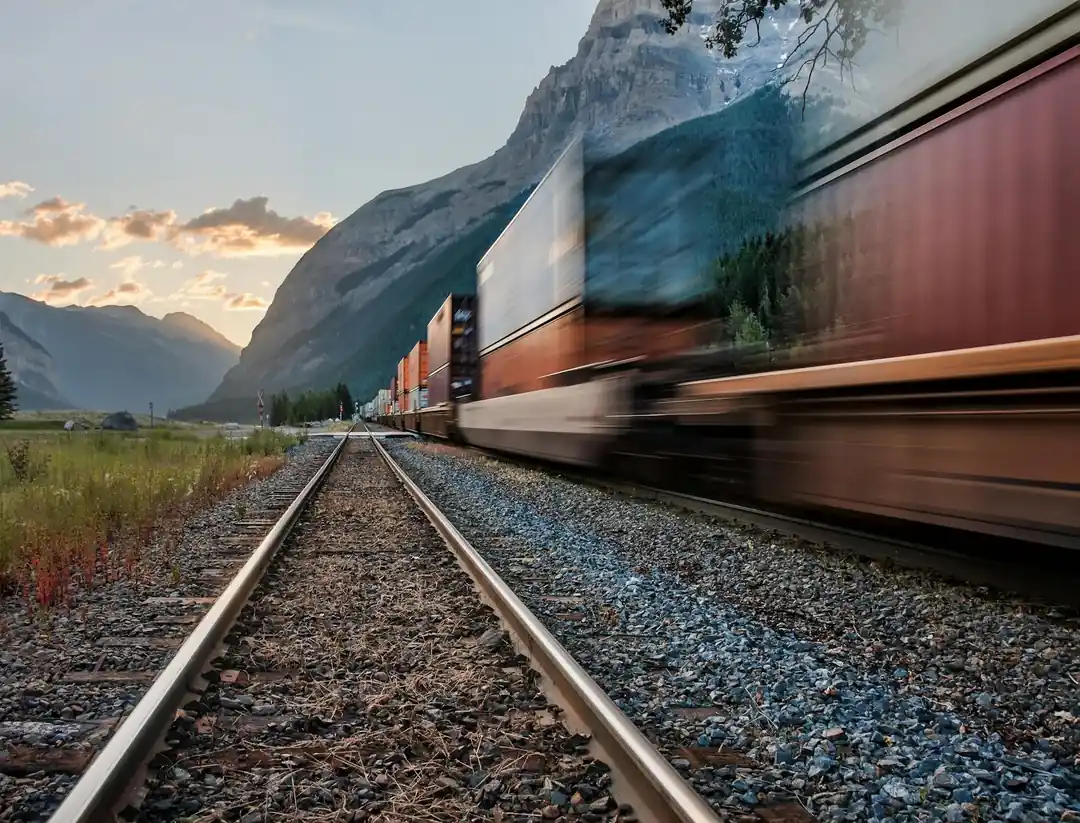
Beyond the Highway: Finding Canada's Soul on a Western Rail Adventure
Forget road trips. I'm talking about rediscovering the romance of travel on Via Rail's most scenic routes through the heart of the Canadian West. It’s an experience that changes you.
 TRAVEL TIPS
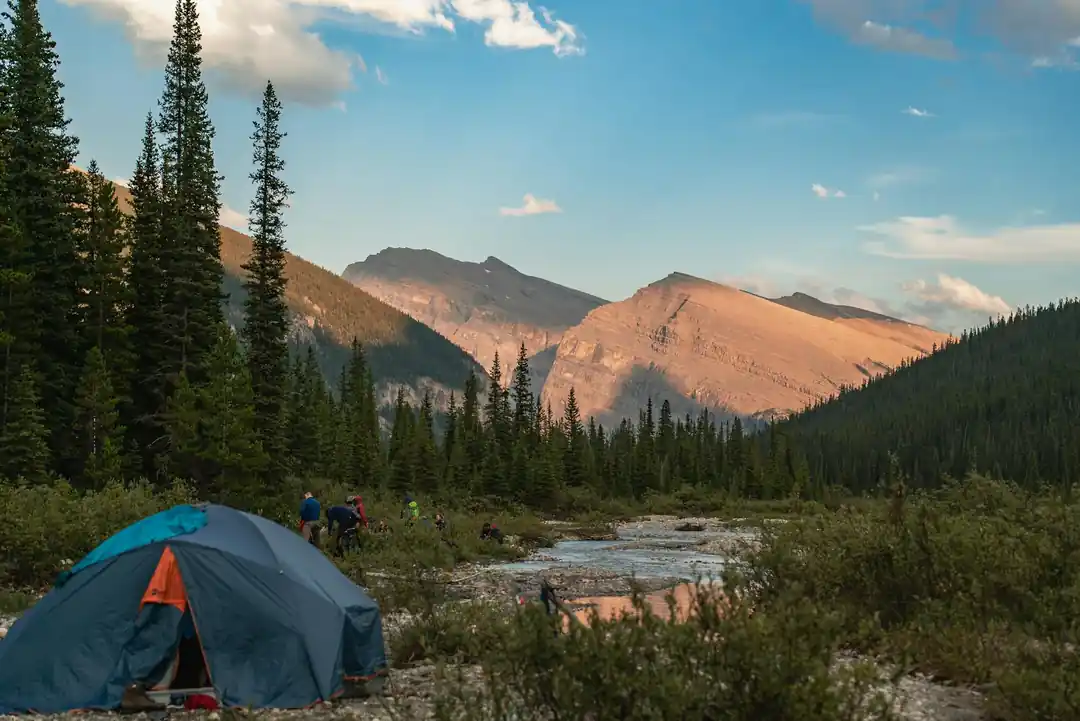
The Unwritten Rules of the North: What to Know Before Camping in Canada
Heading to the Great White North for a camping trip? It's an amazing idea. But from campfire etiquette to wildlife wisdom, here’s what you need to know before you go.

Popular Posts

Rethinking Non-Profit Promotion: Creative Strategies That Actually Drive Event Impact

Beyond Stark White: The Best Interior Paint Colors to Light Up Your New Space

How to Actually Master a New Language on Your Own (No Magic Gene Required)
