What to Pack for a Winter Trip to Norway (Without Freezing!)
Dreaming of a Norwegian winter wonderland but terrified of the cold? Here’s the ultimate, no-fluff guide to packing smart so you can stay warm and focus on the magic.
Let’s be honest for a second. The idea of a winter trip to Norway is pure magic. It conjures up these incredible, almost mythical images: the Northern Lights dancing across a star-dusted sky, fjords sleeping under a thick blanket of snow, and the cozy glow of a cabin window promising warmth and comfort. It’s a bucket-list dream for so many of us. But then, reality trickles in, and it’s usually followed by a shiver. How do you even begin to pack for that kind of cold? The kind of deep, biting cold that most of us, especially in the US, have never really experienced.
I used to think the answer was just to find the biggest, puffiest coat imaginable and hope for the best. My first real winter trip taught me a very quick, very cold lesson: I was completely wrong. There’s a famous Norwegian saying, “Ut på tur, aldri sur,” which loosely means “Out on a trip, never sour.” But there’s an unspoken part two to that, which is that you won’t be sour if you’re properly dressed. The locals have perfected the art of staying warm, and it has nothing to do with bulky, cumbersome gear. It’s a philosophy.
It’s about creating a personal bubble of warmth that moves with you, whether you’re snowshoeing through a silent forest or just wandering the charming streets of Tromsø. It’s about being prepared, not so you can simply survive the cold, but so you can genuinely embrace it and enjoy every single breathtaking moment. So, let’s break down exactly what you need to pack to make your Norwegian winter adventure comfortable, memorable, and completely freeze-free.
The Holy Trinity: Mastering the Art of Layering
If you take only one piece of advice from this article, let it be this: layers are everything. The Norwegian secret to staying warm isn't a single magical jacket; it's a strategic three-part system that works in harmony to manage moisture, trap heat, and protect you from the elements. Thinking in layers allows you to adapt to changing conditions and activity levels, which is crucial in a place where the weather can be famously fickle.
First up is the base layer. This is the layer worn directly against your skin, and its most important job is to wick sweat away. Even in freezing temperatures, if you're active, you will perspire. If that moisture stays on your skin, it will make you cold, fast. This is why you must avoid cotton at all costs. Cotton is a sponge; it absorbs moisture and holds it, basically becoming a cold, damp cloth against your body. Instead, you need to invest in merino wool or high-quality synthetic thermals. I am a die-hard convert to merino wool. It’s soft, it breathes, it insulates even when slightly damp, and it has natural anti-odor properties, which is a huge plus for packing light. A snug-fitting long-sleeved top and leggings are the non-negotiable foundation of your entire wardrobe.
Next comes the mid-layer, which is your primary insulation. This layer’s job is to trap your body heat and create a pocket of warm air. Think of it as your personal furnace. The best materials for this are fleece or wool. A good quality fleece jacket is a fantastic, lightweight option. Personally, I love a classic, thick wool sweater. It just feels right for the Scandinavian setting, and the insulating properties are second to none. Depending on the forecast and your plans, you might opt for a lighter fleece for active days or a heavier wool knit for when you’ll be standing still for long periods (like during a Northern Lights hunt).
Finally, you have the outer layer, or your shell. This is your shield. It needs to be both windproof and waterproof. This layer protects your other two layers (and you) from snow, sleet, and the biting Arctic wind, which can cut right through lesser fabrics. Look for a high-quality, insulated winter parka. A longer length is a huge advantage as it provides extra warmth and protection for your lower back and thighs. Features like an adjustable hood, storm cuffs on the sleeves, and a drawstring at the waist are all designed to seal out the cold and are well worth looking for. This is the piece that will take the brunt of the weather, allowing the layers beneath to do their job of keeping you toasty.
Your Feet Will Thank You: The Importance of Proper Footwear
You can be perfectly layered up top, but if your feet are cold and wet, you will be miserable. I cannot stress this enough. Your everyday sneakers or stylish leather boots are not going to cut it. You need insulated, waterproof winter boots with a thick, grippy sole. The insulation is obvious, but the waterproofing is just as critical. You will be walking in snow, and that snow can melt, seeping into your boots and chilling you to the bone.
When choosing boots, make sure you have enough room to wear thick wool socks without your toes being cramped. Restricted circulation is a fast track to frozen feet. Speaking of socks, pack several pairs of good wool socks. Just like with your base layer, avoid cotton. Wool socks will keep your feet warm even if they get a little damp and will help wick moisture away. I often wear a thinner merino liner sock with a thicker, cushier wool sock over it for maximum warmth and comfort.
One more thing that locals swear by and visitors often forget: ice cleats or spikes (called brodder in Norwegian). Sidewalks and paths can be deceptively icy, even in the cities. A simple pair of pull-on traction cleats for your boots can be the difference between a confident, enjoyable walk and a stressful, slippery shuffle. They are inexpensive, lightweight to pack, and an absolute game-changer for safety and peace of mind.
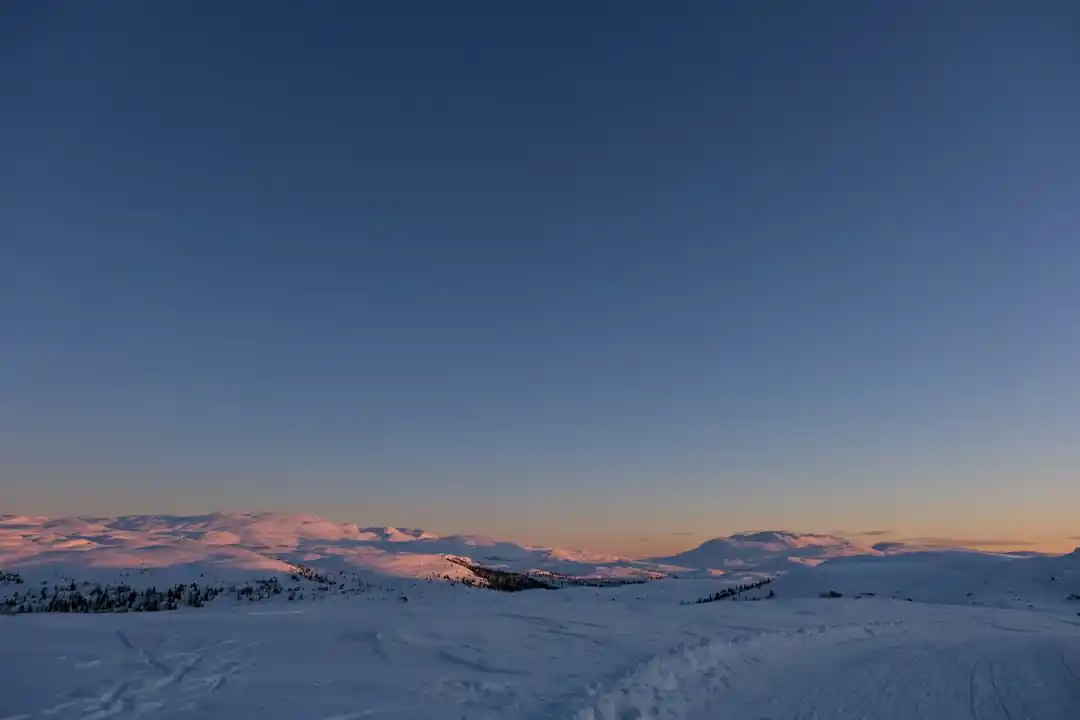
The Finishing Touches: Don’t Forget Your Extremities
Your core might be warm, but if your hands, head, and neck are exposed, you’ll still feel the chill. A significant amount of body heat is lost through your head, so a warm hat is not optional. A wool or fleece-lined beanie that fully covers your ears is perfect. For extra protection against wind, a neck gaiter or a buff is far more practical than a traditional scarf. It stays in place and can be pulled up over your nose and mouth when the wind really starts to bite.
For your hands, one pair of gloves is not enough. The best system is a thin pair of liner gloves (preferably touchscreen-compatible for taking photos) worn inside a thick, waterproof, and heavily insulated pair of mittens. Mittens are generally warmer than gloves as they keep your fingers together, allowing them to share heat. For those long, cold nights spent searching for the aurora, a few disposable hand warmer packets tucked into your mittens can feel like absolute luxury.
Finally, think about the little things. The cold, dry air is incredibly harsh on skin, so a good, rich moisturizer and a heavy-duty lip balm are essential. Sunglasses are also a surprising must-have; the glare from the sun on an endless field of white snow can be intense. And a portable power bank is a wise addition, as phone and camera batteries drain notoriously fast in cold temperatures. Packing for a Norwegian winter is a puzzle, but it’s one with a clear solution. By focusing on this system of smart layering and protecting your extremities, you’re not just packing clothes; you’re packing the key to unlocking one of the most magical travel experiences on earth.
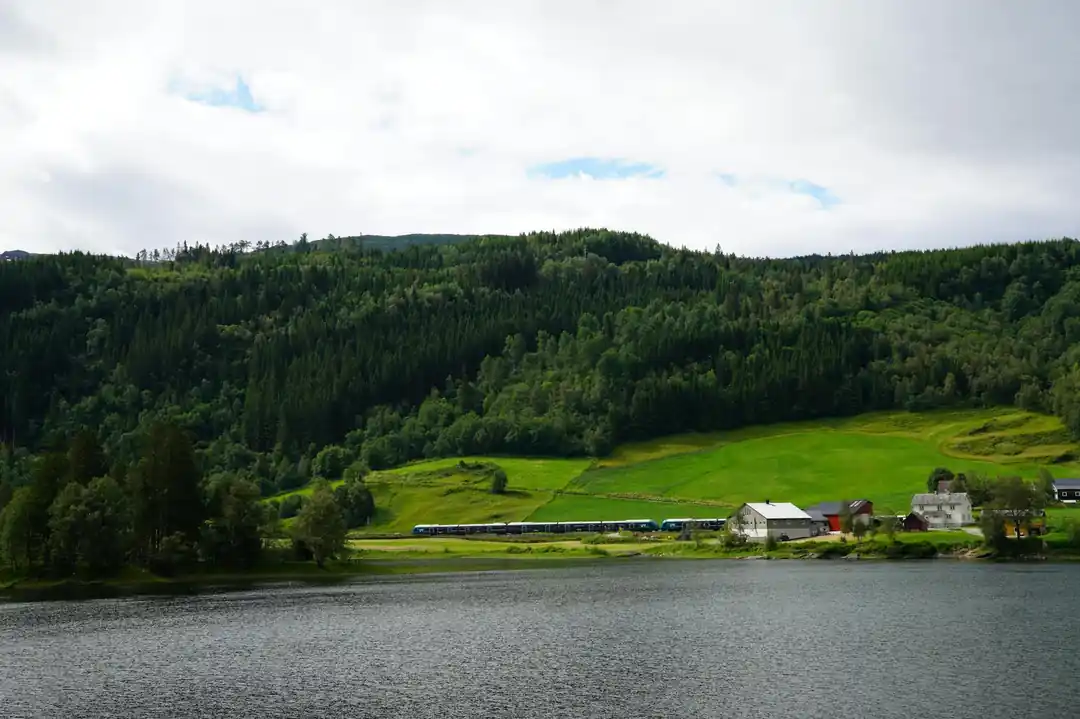
Is This 7-Hour Train Ride the Most Beautiful Journey on Earth?
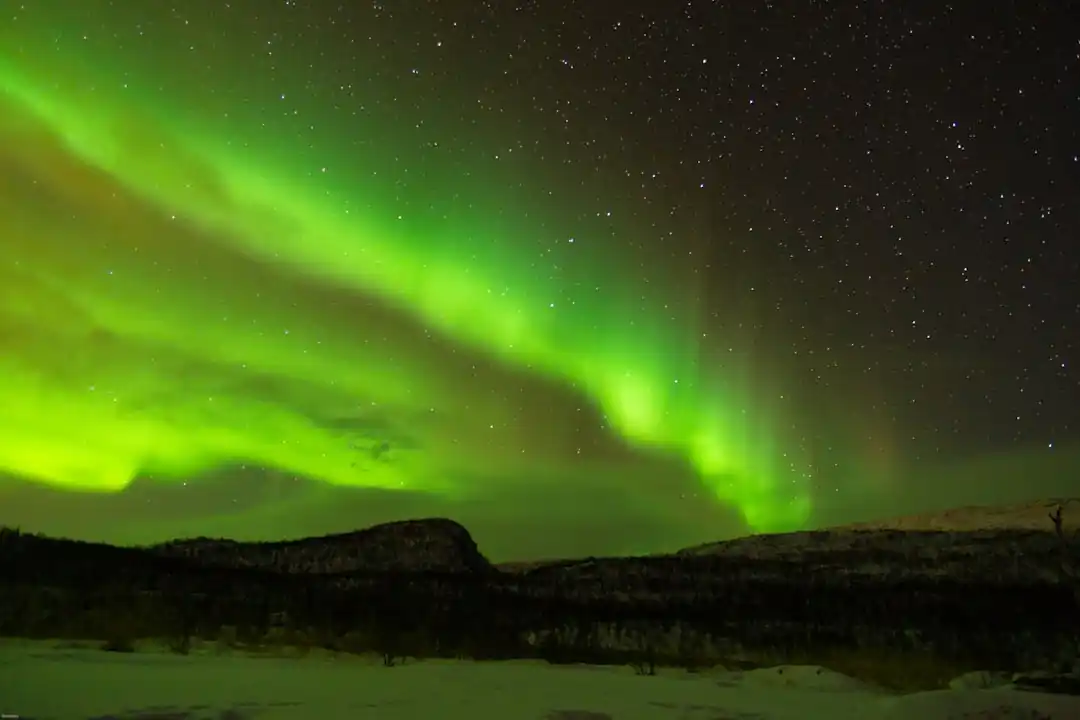
The Ultimate Guide to Seeing the Northern Lights in Norway
Related Posts
 TRANSPORT
Beyond the Highway: Finding Canada's Soul on a Western Rail Adventure
Forget road trips. I'm talking about rediscovering the romance of travel on Via Rail's most scenic routes through the heart of the Canadian West. It’s an experience that changes you.
 TRAVEL TIPS
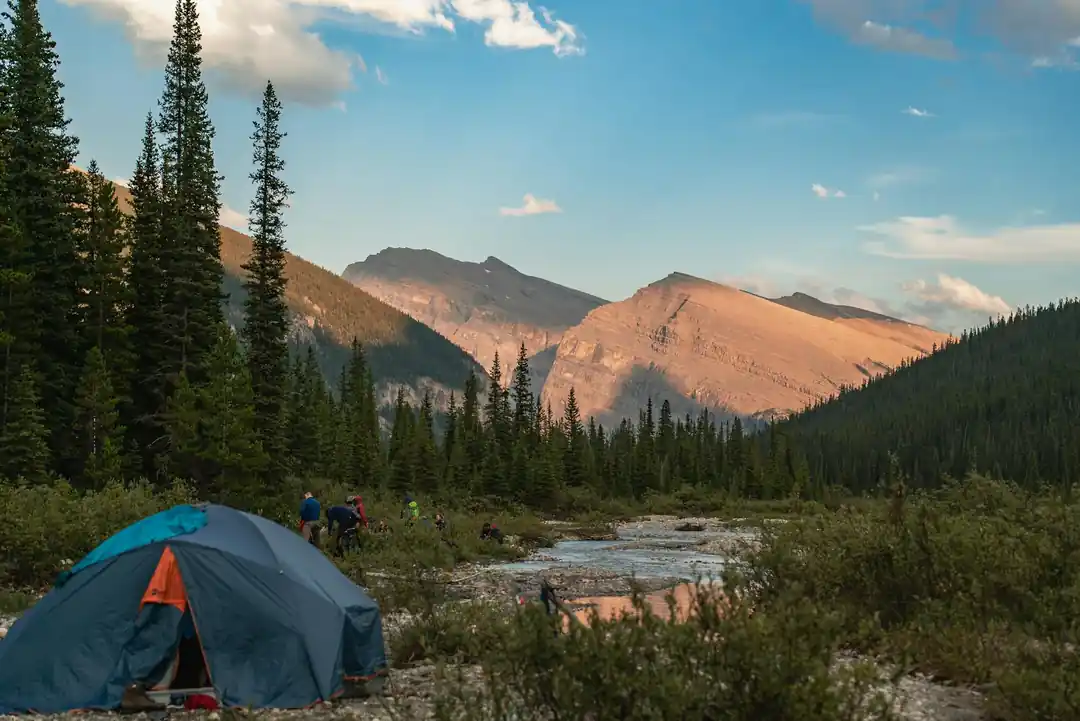
The Unwritten Rules of the North: What to Know Before Camping in Canada
Heading to the Great White North for a camping trip? It's an amazing idea. But from campfire etiquette to wildlife wisdom, here’s what you need to know before you go.

Popular Posts

Rethinking Non-Profit Promotion: Creative Strategies That Actually Drive Event Impact

Beyond Stark White: The Best Interior Paint Colors to Light Up Your New Space

How to Actually Master a New Language on Your Own (No Magic Gene Required)
