Driving the Future: Top Automotive Safety Technology Stocks to Watch
Forget just horsepower; the real revolution is in the silicon. We're diving into the world of automotive safety tech and the companies you should be watching.
Let’s have a frank conversation. For the longest time, investing in the auto industry felt like a straightforward bet on manufacturing muscle and brand loyalty. You picked a giant—Ford, GM, Toyota—and rode the economic waves. But if you’re still thinking that way, you might be missing the most explosive growth story on four wheels. The real revolution isn't just about electric versus gas anymore; it's about the incredible intelligence being embedded into every new vehicle that rolls off the assembly line.
Honestly, the most exciting part of the automotive world right now isn't the horsepower, but the processing power. We're talking about the intricate web of sensors, cameras, and AI-powered software that makes up modern Advanced Driver-Assistance Systems (ADAS). These aren't just convenient features anymore; they are the heart of a multi-billion dollar market that is fundamentally reshaping our relationship with driving. This technology is saving lives, and for savvy investors, it represents a ground-floor opportunity in a sector that’s only just beginning to accelerate.
It’s a profound shift. The value of a car is becoming less about the engine and more about the software and silicon that run it. As we stand on the cusp of a semi-autonomous (and eventually, fully autonomous) future, the companies providing the "eyes" and "brains" for these vehicles are becoming the new titans of the industry. So, let's look past the shiny exteriors and explore the companies that are building the safer, smarter future of mobility.
Why the Big Boom in Safety Tech?
So, what’s lighting a fire under this market? It’s really a perfect storm of factors. First and foremost is the simple, universal demand for safety. Traffic accidents are a global tragedy, and technology now offers a powerful way to mitigate the primary cause: human error. This has led to a huge push from both consumers and regulators. People are actively seeking out, and paying more for, cars equipped with features like automatic emergency braking, blind-spot detection, and lane-keeping assist. It’s become a major selling point, right up there with fuel economy and design.
On top of consumer demand, you have a massive regulatory tailwind. Governments and safety organizations worldwide, like the National Highway Traffic Safety Administration (NHTSA) in the U.S., are constantly raising the bar. They’re not just recommending these features; they’re increasingly mandating them to achieve top safety ratings. This creates a non-negotiable, built-in demand for ADAS components that automakers simply have to meet. It transforms these technologies from a luxury add-on to a standard-issue necessity.
And finally, there's the technology itself. The cost of sophisticated sensors like radar and cameras has been falling steadily, while their capabilities have been soaring. What was once prohibitively expensive is now becoming accessible for mass-market vehicles. When you combine this increasing affordability with the relentless progress in artificial intelligence and machine learning, you get systems that are smarter, faster, and more reliable than ever before. This virtuous cycle of falling costs and rising performance is what’s turning a niche market into a global juggernaut.
The Titans of LiDAR and Sensing
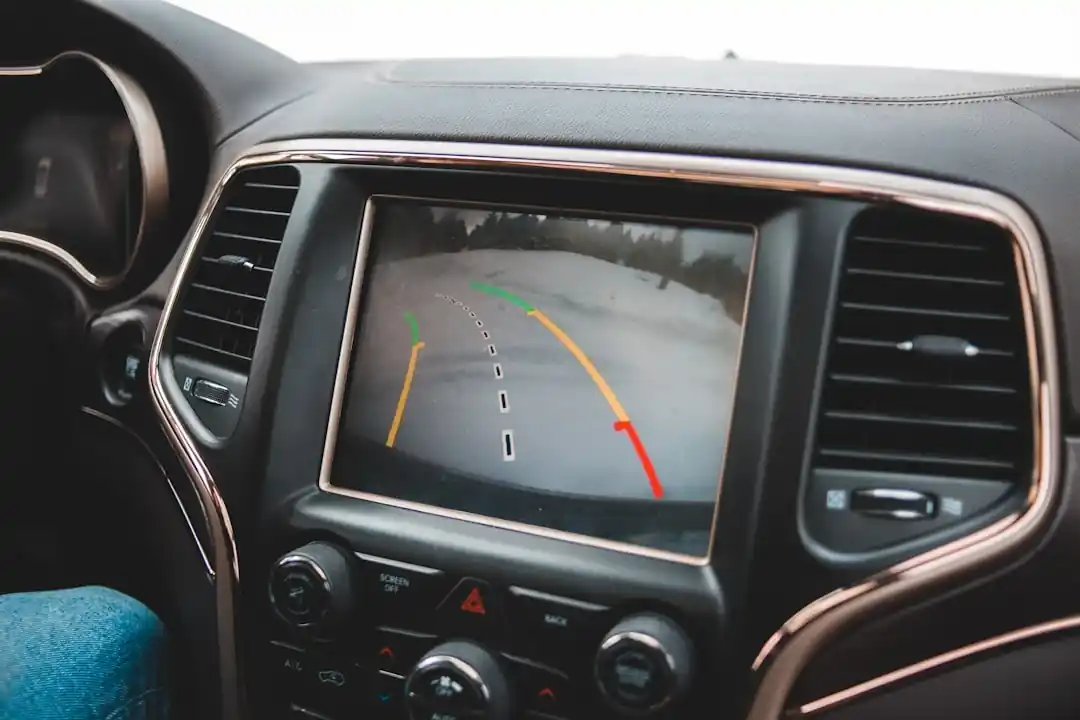
At the core of this revolution are the companies that give vehicles the ability to "see." Among the most critical technologies here is LiDAR (Light Detection and Ranging), which uses laser pulses to build a precise, three-dimensional map of the world around the car. One of the most talked-about names in this space is Luminar Technologies (LAZR). What makes Luminar stand out is its focus on long-range, high-performance LiDAR, which is crucial for enabling safe high-speed autonomous driving on highways. They've secured major partnerships with automakers like Volvo and Mercedes-Benz, which isn't just a vote of confidence; it's a clear path to getting their technology into production vehicles at scale.
Another key player is Mobileye Global (MBLY), a company that was famously acquired by Intel and then spun off again. Mobileye is a giant in the ADAS space, but they're not just a one-trick pony. While they are a leader in camera-based vision systems—their technology is already in millions of cars—they are also making significant strides in radar and LiDAR. Their approach is to build a complete, redundant sensing package. By combining different types of sensors, they create a more robust and reliable system that can function safely in a wider range of conditions. This comprehensive strategy makes them a foundational technology provider for a huge portion of the auto industry.
You also can't ignore a company like Aptiv (APTV). Aptiv is a bit different because they are a major, diversified automotive supplier, but they have strategically positioned themselves as a leader in what they call the "brain and nervous system" of the vehicle. This includes not just sensors and processing units but the entire electrical architecture needed to make everything work together. Their deep relationships with nearly every major automaker give them incredible reach. Investing in Aptiv is a bet on the increasing electronic content in all cars, with safety systems being a primary driver of that growth.
The Brains Behind the Operation: Software and AI
Having great sensors is only half the battle. The real magic happens when you process that firehose of data and turn it into life-saving decisions in a fraction of a second. This is where the AI and software powerhouses come in, and you can't have this conversation without mentioning NVIDIA (NVDA). While many know them for gaming graphics cards, NVIDIA has brilliantly pivoted to become the dominant force in AI processing. Their DRIVE platform is an end-to-end solution that automakers can use to develop and deploy autonomous driving capabilities. They provide the powerful hardware (the "brains") and the sophisticated software stack to run it. As cars become more like data centers on wheels, NVIDIA's role becomes ever more central.
Then there's the elephant in the room: Tesla (TSLA). While it's a car company, it's impossible to separate its identity from its pioneering work in software and autonomous driving. Tesla’s approach is unique because of its massive fleet of vehicles on the road, all collecting data that is used to train its Autopilot and Full Self-Driving (FSD) systems. This real-world data is an enormous competitive advantage. An investment in Tesla is, in large part, a bet on their ability to solve the autonomous driving puzzle through software and data, a strategy that sets them apart from many legacy automakers who rely more heavily on third-party suppliers.
Investing in this space isn't just about picking a single winner. It's about understanding that a safer, more autonomous future is inevitable. The journey will be long, with regulatory hurdles and technological challenges still to overcome. But the momentum is undeniable. The companies building the foundational hardware and the brilliant software that protect us on the road are not just contributing to a greater good; they are positioning themselves at the center of one of the most significant transformations in modern history. And for those with a long-term perspective, that’s a very exciting place to be.

Legal Funding: The High-Stakes World of Lawsuit Investing
Unraveling the Mystery: How Personal Injury Claims Are Valued

Related Posts
 BUSINESS
Rethinking Non-Profit Promotion: Creative Strategies That Actually Drive Event Impact
Discover modern, research-backed strategies for promoting non-profit fundraisers, from experiential marketing to hyper-local micro-influencers and cross-sector partnerships.
 BUSINESS
Is the TV Ad Dead? A Deep Dive into Cost and Effectiveness in 2024
In an age of streaming and scrolling, is a TV commercial still a smart bet for brands? We're breaking down the real costs and surprising effectiveness of television advertising today.

Popular Posts
Rethinking Non-Profit Promotion: Creative Strategies That Actually Drive Event Impact

Beyond Stark White: The Best Interior Paint Colors to Light Up Your New Space

How to Actually Master a New Language on Your Own (No Magic Gene Required)
