Your Ultimate Checklist for a Dream Ski Trip to the Swiss Alps
Dreaming of carving through fresh powder in the Swiss Alps? Don't let packing stress you out! Here's my personal, research-backed guide to ensure you're perfectly prepared for an unforgettable alpine adventure.
The Swiss Alps. Just saying the words feels a bit like a daydream, doesn't it? It conjures these incredible images of majestic, snow-dusted peaks, cozy chalets with smoke curling from the chimneys, and that exhilarating feeling of gliding through pristine, untouched powder. It’s the kind of trip that lives on your bucket list for years, a place where the air feels crisper, the views are somehow more profound, and every single run feels like a scene from a movie. But then, reality sets in. The planning. And more specifically, the packing. How do you even begin to prepare for a high-altitude winter wonderland without bringing your entire closet?
Honestly, I used to get so stressed about it. I had this constant fear of either forgetting something absolutely essential (like, say, warm gloves) or, on the flip side, showing up with a suitcase so heavy it practically needed its own passport. It took a few trips, a bit of trial and error, and maybe one or two uncomfortably cold chairlift rides to figure out the secret. Smart packing for a place like the Swiss Alps isn't about volume; it's about strategy. It’s about understanding the art of layering and bringing the right things that will keep you warm, dry, and happy from the first run of the day to the last sip of hot chocolate in the evening.
The Core of Your Ski Wardrobe: Mastering the Layering System
If there's one piece of advice that has completely transformed my mountain experience, it's this: layering is everything. The weather in the Alps, especially at higher-altitude resorts like Zermatt or St. Moritz, can be a real drama queen. You can start the day under brilliant blue skies and, an hour later, find yourself in the middle of a snow squall with the wind whipping around you. The ability to adapt is your superpower, and that comes from having distinct, removable layers.
It all begins with the base layer, the part of your outfit that sits right against your skin. And I’m going to say something controversial but necessary: please, leave your cotton thermals at home. Cotton is a moisture magnet. The second you start to sweat, it gets damp and stays damp, which is a fast track to feeling miserably cold. Instead, you want to invest in materials like merino wool or high-quality synthetics. I am a total convert to merino wool. It’s a natural fiber that is incredibly effective at wicking moisture away from your skin, it's breathable, and it has this amazing ability to resist odor, which is a definite bonus on a week-long trip. I usually pack two or three sets of long-sleeved tops and bottoms to ensure I always have a dry set ready to go.
Next up is your mid-layer, which is your primary source of insulation. This is where you'll want a good fleece jacket or a lightweight puffy vest or jacket filled with either down or a synthetic alternative. The goal here is to trap your body heat without adding a ton of bulk that restricts your movement. I’ve found that a full-zip fleece offers the most versatility, as you can easily unzip it to cool down. Some of the newer hybrid jackets are also fantastic, designed with insulated panels in core areas and more breathable fabric under the arms. It’s the perfect solution for that constant cycle of freezing on the chairlift and then overheating the second you start skiing.
Finally, you have your outer layer, which is your fortress against the elements. This consists of your ski jacket and pants, and their job is to be both waterproof and windproof. You don't want a single snowflake or gust of wind breaking through your defenses. Look for technical features like fully taped seams (which seal the tiny holes from stitching), a powder skirt on your jacket to keep snow from flying up your back if you take a tumble, and vents (often called "pit zips") that you can open for instant airflow. It’s a system that, when done right, creates a perfect microclimate to keep you comfortable no matter what the mountain throws at you.
Essential Ski & Snowboard Gear: The Rent vs. Buy Dilemma
Now for the big stuff—the actual equipment you need to get down the mountain. This is where you face the classic question: do you rent it or do you lug your own gear across the Atlantic? There are pros and cons to both, and the right answer really depends on how often you ski and how particular you are about your setup.
If you're a seasoned skier or snowboarder who hits the slopes regularly, you probably already own your gear, and for good reason. There's nothing quite like the comfort and familiarity of your own boots, molded perfectly to your feet. Boots are arguably the most important piece of equipment for comfort and control, and a bad boot fit can ruin a day faster than anything else. Similarly, using your own skis or snowboard means you know exactly how they'll respond. If you do decide to bring your own, invest in a good padded travel bag to protect them during transit.
On the other hand, if you only ski occasionally or are just starting out, renting is an incredibly convenient and cost-effective option. The rental shops in major Swiss resorts are top-notch, offering the latest models from major brands. It gives you a chance to try out different types of skis, and it saves you the hassle and expense of airline baggage fees for oversized items. You can often book your rental package online in advance, which can save you both time and money. The one piece of gear I always recommend bringing yourself, regardless of whether you rent skis, is a helmet. While you can rent them, having your own ensures a perfect fit and, let's be honest, is just a bit more hygienic.
Beyond the big three (boots, skis/board, helmet), don't forget your goggles and gloves. Goggles are non-negotiable for protecting your eyes from wind, snow, and the intense high-altitude sun. Many people bring two pairs or a single pair with interchangeable lenses—one for bright, sunny days and another with a higher contrast lens for flat light or snowy conditions. And a solid pair of waterproof, insulated gloves or mittens is your best defense against painfully cold fingers. Mittens tend to be warmer as they keep your fingers together, while gloves offer better dexterity for adjusting your boots or zippers.
Beyond the Slopes: Nailing the Après-Ski Vibe
One of the best parts of a European ski vacation is the culture that surrounds it. The day doesn't end with the last run. There's the cherished tradition of "après-ski," which literally translates to "after ski," where everyone gathers for drinks and snacks, still buzzing from the day's adventures. And then there are the quiet, cozy evenings spent exploring the charming alpine villages or relaxing by a crackling fire. Packing for this part of the trip is about finding the balance between comfort, warmth, and a touch of style.
The single most important item for your off-mountain life is a good pair of winter boots. I’m talking about insulated, waterproof boots with a serious grip. The streets of a ski village can be a treacherous mix of snow, slush, and ice, and you'll be so grateful for footwear that keeps your feet warm and dry while preventing you from taking an unplanned slide. Brands like Sorel or Blundstone are popular for a reason—they’re both functional and look great with a pair of jeans.
For clothing, the vibe in Swiss resorts is generally one of relaxed, understated style. You can leave the formalwear at home. Think cozy knit sweaters, comfortable jeans or corduroys, and a few warm long-sleeved shirts. A stylish, warm winter coat (separate from your technical ski jacket) is also a great idea for walking to dinner or browsing the local shops. It’s all about being comfortable and warm while still looking put-together.
And don't forget the little luxuries! Many hotels and chalets in the Alps have incredible wellness areas with pools, saunas, and hot tubs. There is absolutely nothing better than soaking your tired muscles in a hot tub while it’s snowing outside. So, throw a swimsuit into your bag. It takes up almost no space and you'll be so glad you have it. Packing a comfortable set of loungewear or pajamas is also a must for those quiet nights in, sipping a glass of wine and just soaking in the incredible mountain views from your window.
Don't Forget These Lifesavers: The Small Things That Matter
You’ve got the layers, the gear, and the cozy sweaters. You’re almost there. But there are a handful of small, often-forgotten items that can make a huge difference in your overall comfort and enjoyment. The alpine environment is no joke—it's high, it's dry, and the sun is incredibly powerful.
First and foremost: sun protection. The sun's rays are significantly stronger at high altitudes, and when they reflect off the snow, you're getting a double dose of UV radiation. A high-SPF sunscreen (SPF 30 or higher) is absolutely essential and should be applied to all exposed skin, including your face, neck, and even under your chin. A lip balm with SPF is equally important to prevent your lips from getting chapped and sunburned. I also pack a rich moisturizer and hand cream to combat the dry air, which can really do a number on your skin.
Next, think about your electronics. The cold can drain batteries at an alarming rate, so a portable power bank is a true lifesaver for keeping your phone charged on the mountain. And remember, Switzerland uses a different plug type than the US, so a universal travel adapter is a must. I always throw a small daypack in my luggage, which is perfect for carrying these essentials—plus a water bottle, snacks, and an extra layer—while I'm out on the slopes.
Finally, a few personal items can go a long way. A reusable water bottle is a great way to stay hydrated, which is crucial for acclimatizing to the altitude. Pack any personal medications you need, along with a small first-aid kit containing basics like pain relievers, band-aids, and blister treatment (just in case those new boots need some breaking in). With these final touches, you're not just packed; you're perfectly prepared for an unforgettable adventure.
Now, all that's left to do is zip up that suitcase and start dreaming of the fresh mountain air and the incredible journey that awaits. I hope your trip is filled with bluebird days, deep powder, and memories that will last a lifetime.

Switzerland on a Budget? Yes, It's Possible. Here's How.
Beyond the Slopes: Why Crans-Montana is the Swiss Summer Dream You Didn't Know You Had

Related Posts
 TRANSPORT
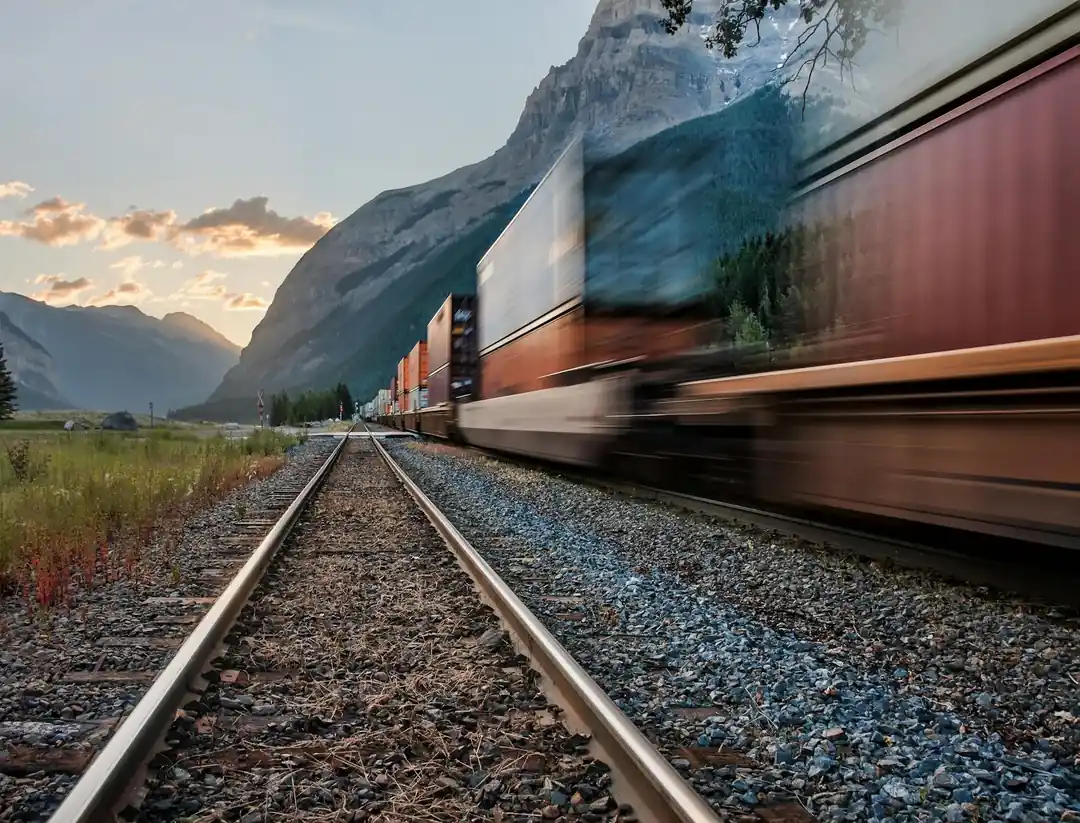
Beyond the Highway: Finding Canada's Soul on a Western Rail Adventure
Forget road trips. I'm talking about rediscovering the romance of travel on Via Rail's most scenic routes through the heart of the Canadian West. It’s an experience that changes you.
 TRAVEL TIPS
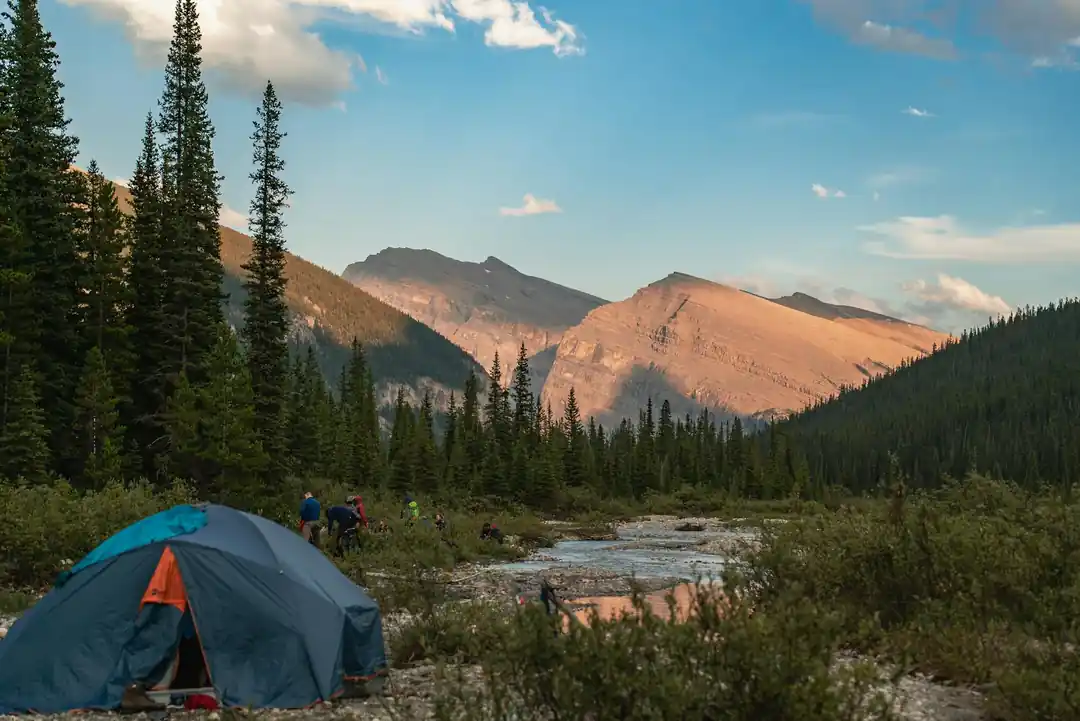
The Unwritten Rules of the North: What to Know Before Camping in Canada
Heading to the Great White North for a camping trip? It's an amazing idea. But from campfire etiquette to wildlife wisdom, here’s what you need to know before you go.

Popular Posts

Rethinking Non-Profit Promotion: Creative Strategies That Actually Drive Event Impact

Beyond Stark White: The Best Interior Paint Colors to Light Up Your New Space

How to Actually Master a New Language on Your Own (No Magic Gene Required)
