South Texas is a land of incredible beauty and unique challenges. Here’s how to navigate it safely, from wildlife encounters to border region awareness.
There’s a certain magic to South Texas. It’s a sprawling, diverse region where vibrant culture, deep history, and rugged nature collide. From the sun-drenched shores of the Gulf Coast to the stark beauty of the Rio Grande Valley, it’s a place that invites exploration. I’ve spent a good amount of time on these roads, and I can tell you that the sense of freedom you feel here is unlike anywhere else. But with that freedom comes a responsibility to be a smart, prepared traveler.
Honestly, the things that make South Texas so unique are also the things you need to be most aware of. We’re talking about vast distances between towns, unpredictable weather that can turn on a dime, and a whole host of wildlife that was here long before the highways were. Thinking about safety isn’t about being scared; it’s about being respectful of the environment you’re in. It’s what allows you to fully immerse yourself in the experience, knowing you’ve got your bases covered.
Navigating the Border Regions with Awareness
Let's talk about the elephant in the room: the border. For many, the idea of traveling near the U.S.-Mexico border can be a little intimidating, but it doesn't have to be. The reality is that millions of people live, work, and travel in this region safely every day. The key is simply to be informed and exercise a little extra caution, just as you would in any unfamiliar area. Official sources, like the U.S. State Department, are your best friend here. They provide up-to-date information and advisories that are based on facts, not fear.
You will likely encounter U.S. Border Patrol checkpoints on major highways, sometimes miles from the actual border. This is a normal and routine part of driving in South Texas. The best approach is to be patient and cooperative. Have your ID ready, answer any questions directly, and you’ll be on your way in no time. It’s also wise to stick to major roads and crossings, especially after dark. While the allure of a scenic backroad is strong, sticking to well-traveled routes is just a smarter way to travel in the borderlands.
Finally, remember that this region is a beautiful blend of cultures. The border towns on both sides are full of life, history, and incredible food. Don't let unfounded fears keep you from experiencing the richness of places like Laredo, McAllen, or Brownsville. By staying on main routes, being aware of your surroundings, and keeping up with current travel advice, you can enjoy all the wonderful things the border region has to offer.
Weathering the Texas Heat (and Rain)
If there’s one thing you can count on in South Texas, it’s the weather being unpredictable. The heat, especially from late spring through early fall, is no joke. It can be intense and unrelenting, and dehydration and heat exhaustion are very real risks. I learned a long time ago to never, ever venture out without a substantial supply of water. It sounds basic, but it’s amazing how quickly you can get into trouble without it. Always have more water in your car than you think you’ll need.
Beyond the heat, you have to be aware of the potential for sudden, severe weather. Flash flooding can happen with startling speed, turning a dry creek bed into a raging torrent in minutes. This is especially true in the Hill Country and other areas with low-water crossings. The local rule is simple and life-saving: "Turn Around, Don't Drown." If you see water covering a roadway, do not attempt to drive through it. You have no idea how deep it is or how fast the current is moving.
And let’s not forget hurricane season, which officially runs from June through November. If you’re traveling to the coastal areas, like Corpus Christi or South Padre Island, it’s absolutely essential to keep an eye on the forecast. A storm in the Gulf can change your plans in a hurry. Having a flexible itinerary and paying attention to local weather alerts will ensure you don’t get caught in a dangerous situation.
Wildlife: Sharing the Road and the Trail
The wildlife in South Texas is abundant and beautiful, but you need to give it space. On the roads, this is especially true at dawn and dusk, when animals are most active. Deer are a common sight, but you also need to watch for javelinas (a type of peccary, not a pig!), coyotes, and even the occasional wild hog. Hitting one of these animals can cause serious damage to your vehicle and yourself. Drive defensively, scan the sides of the road, and be prepared to brake.
If you’re hiking or spending time outdoors, the concerns are a bit different. South Texas is home to several species of venomous snakes, including rattlesnakes and coral snakes. The good news is that they have no interest in bothering you. They will almost always flee if given the chance. The best way to stay safe is to wear sturdy boots, watch where you step, and never put your hands or feet where you can’t see.
It’s not just snakes, either. Scorpions and spiders are also part of the local ecosystem. A good habit is to shake out your shoes and clothes before putting them on, especially if you’ve been camping or they’ve been left outside. It’s these little bits of prevention that make all the difference. Respecting the local wildlife means keeping a safe distance and being mindful, allowing you to appreciate these animals in their natural habitat without incident.
Traveling in South Texas is a truly rewarding experience. It’s a journey through a unique and captivating part of the country. By being prepared and mindful of your surroundings, you’re not limiting your adventure—you’re ensuring it’s a safe and memorable one. So go ahead, explore those open roads and wide-open spaces with confidence.

Just Landed in Laredo? How to Get Downtown from the Airport
How to Start Investing in Stocks: A Guide for Absolute Beginners

Related Posts
 TRANSPORT
Beyond the Highway: Finding Canada's Soul on a Western Rail Adventure
Forget road trips. I'm talking about rediscovering the romance of travel on Via Rail's most scenic routes through the heart of the Canadian West. It’s an experience that changes you.
 TRAVEL TIPS
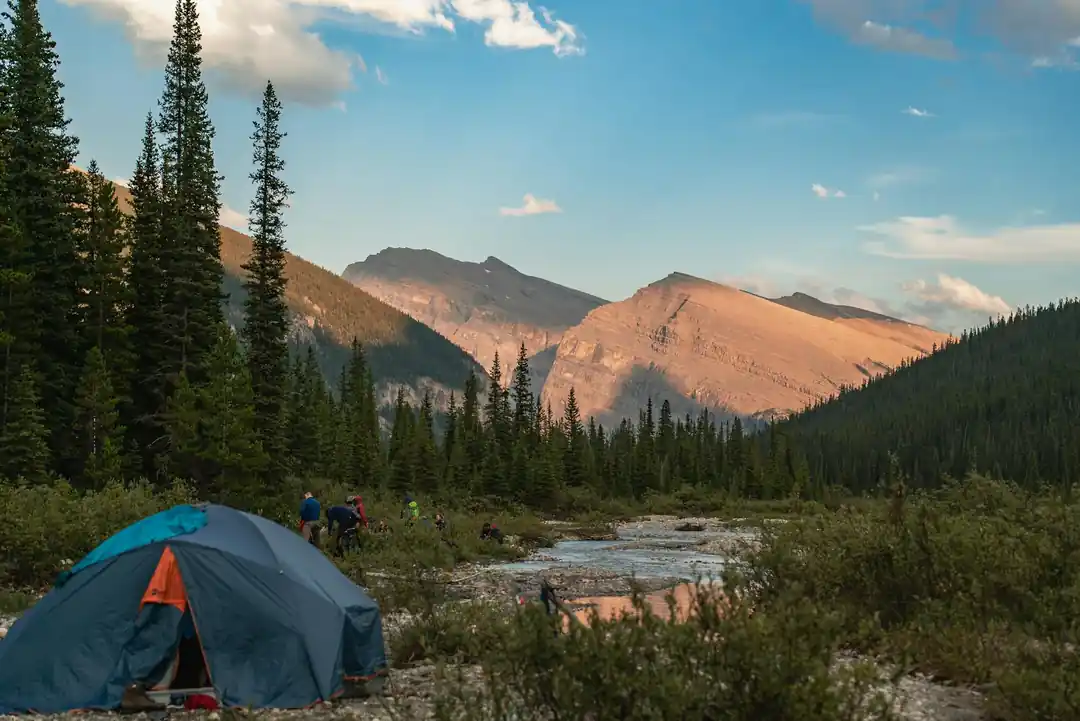
The Unwritten Rules of the North: What to Know Before Camping in Canada
Heading to the Great White North for a camping trip? It's an amazing idea. But from campfire etiquette to wildlife wisdom, here’s what you need to know before you go.

Popular Posts

Rethinking Non-Profit Promotion: Creative Strategies That Actually Drive Event Impact

Beyond Stark White: The Best Interior Paint Colors to Light Up Your New Space

How to Actually Master a New Language on Your Own (No Magic Gene Required)
