Dreaming of Socotra? Getting to and around this otherworldly island is an adventure in itself, far from your typical travel experience. Let's talk about how to make it happen.
Socotra. Just the name itself conjures images of a place untouched, a land whispered about in ancient tales, where trees bleed crimson and landscapes feel plucked from another planet. If you're anything like me, the allure of this remote Yemeni island, often dubbed the "Galapagos of the Indian Ocean," is irresistible. But once you decide to go, a very practical question quickly arises: how on earth do you actually get there, and more importantly, how do you navigate its wild, untamed beauty? It's not like hopping on a local bus or hailing a taxi on a city street, that's for sure.
Honestly, planning a trip to Socotra feels less like booking a vacation and more like orchestrating an expedition. The island's isolation, which is precisely what makes it so special, also dictates its unique transportation landscape. Forget about online flight bookings or renting a car to drive yourself around; Socotra operates on a different rhythm, one that prioritizes local expertise and robust, off-road capabilities. It’s a journey that demands a bit of preparation, but trust me, every single step is worth it for the unparalleled experience that awaits.
The Journey In: Reaching Socotra's Shores
Getting to Socotra is the first grand adventure, and it's a testament to the island's remote charm. For most international travelers, the journey begins with a flight, and not just any flight. The most reliable and recommended route is via humanitarian charter flights from Abu Dhabi, United Arab Emirates, directly to Socotra Airport (SCT). These aren't your typical commercial flights you can snag on Expedia; they're usually arranged through specialized tour operators who work with private companies subcontracted by airlines like Air Arabia.
These flights typically operate a few times a week during the high season, which generally runs from October to April. If you're planning a trip, you'll need to coordinate closely with your chosen tour company, as they handle the flight bookings and visa arrangements. I've heard stories of people trying to piece it together themselves, but honestly, with the complexities of visas and flight schedules that can change, going through a reputable operator is the smoothest path. While there are other flight options from places like Cairo, the Abu Dhabi route is widely considered the safest and most convenient for tourists. Just be prepared for the cost; these specialized flights can be quite an investment, often ranging from $930 to $1000 USD for a round trip.
Now, you might wonder about sea travel. And yes, there are ships. Infrequent cargo ships do sail from Al Mukalla on the Yemeni mainland, taking a couple of days, but these are primarily for goods, not passengers, and certainly not for comfort. There's even mention of an irregular "cement ship" from Salalah, Oman, during peak season, but let's just say the descriptions of rats and multi-day journeys don't exactly scream "relaxing cruise." So, unless you're a seasoned sailor with a penchant for the truly rugged, flying in is definitely the way to go.
Conquering the Terrain: On-Island Exploration
Once your feet touch Socotran soil, the real adventure of getting around begins. And here, there's one undisputed king of the road (and off-road): the 4x4 vehicle. Specifically, you'll find yourself in the capable hands of a Toyota Land Cruiser, driven by a local expert. These sturdy machines are absolutely essential. While Socotra does have some paved roads, particularly along the north coast connecting Hadiboh (the capital) to Qalansiyah and through the Dixam Plateau, much of the island's breathtaking beauty lies off the beaten path.
These 4x4s aren't just transport; they're your mobile base camp, your charging station, and your window to the island's hidden gems. Your driver, often also your guide, will navigate everything from smooth asphalt to incredibly tricky, rocky, and sandy tracks, taking you to remote wadis, pristine beaches, and ancient Dragon's Blood tree forests. This is why virtually all organized tours to Socotra include a dedicated 4x4 and driver as part of the package. Trying to rent a car to drive yourself is generally not an option; "car hire" on Socotra almost universally means hiring a 4WD vehicle with a driver.
Public transportation, as we know it, is practically non-existent for tourists. You might spot infrequent minibuses running between Hadiboh and a few coastal villages, but they won't take you to the iconic natural sites that draw visitors to Socotra. Shared taxis might exist between towns, but they're not a practical solution for exploring the island's vast, wild interior. So, embrace the 4x4 experience; it's an integral part of the Socotran adventure, allowing you to reach places you simply couldn't otherwise.
Beyond the Wheels: Other Ways to Wander
While the 4x4 is your primary mode of transport for covering significant distances, Socotra offers other, more intimate ways to experience its unique environment. Hiking, for instance, is a fantastic way to immerse yourself in the landscape. Many tours incorporate treks through wadis, up plateaus, and along coastlines, allowing you to truly connect with the island's endemic flora and fauna. Imagine walking among the ancient Dragon's Blood trees, feeling the unique energy of this place with every step.
For coastal exploration, especially to reach secluded beaches or marine protected areas, local boats come into play. These are typically fiberglass fishing boats with outboard engines, perfect for navigating the turquoise waters and discovering hidden coves. Places like Shu'ab Beach, known for its stunning white sands and potential dolphin sightings, are often best accessed by boat, offering a different perspective of Socotra's dramatic coastline.
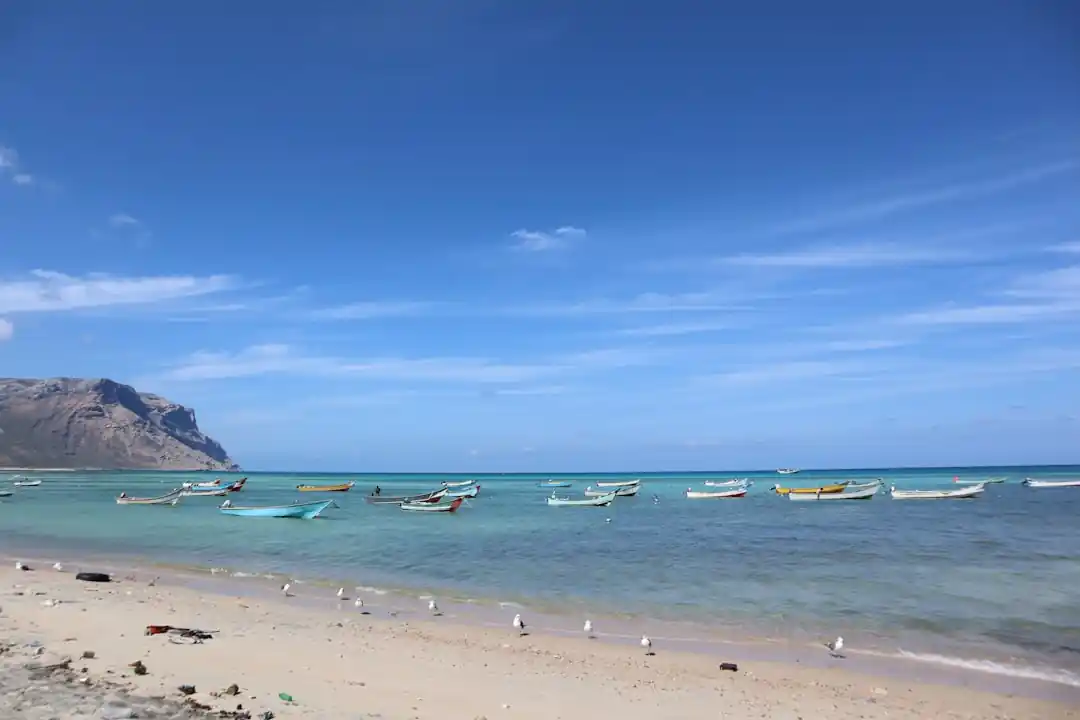
Ultimately, a trip to Socotra is about embracing the journey, not just the destination. The transportation, from the specialized flights to the rugged 4x4s and local boats, is all part of the immersive experience. It's a reminder that some of the world's most extraordinary places require a little extra effort to reach, and that effort is always rewarded with memories that will last a lifetime. So, pack your sense of adventure, trust your local guides, and prepare to be utterly captivated by the magic of Socotra.

Your Gateway to Arabia: A US Traveler's Guide to the Peninsula's Top Airports
Beyond the Brochure: A Realist's Guide to Vetting Travel Safety in Complex Regions

Related Posts
 TRANSPORT
Beyond the Highway: Finding Canada's Soul on a Western Rail Adventure
Forget road trips. I'm talking about rediscovering the romance of travel on Via Rail's most scenic routes through the heart of the Canadian West. It’s an experience that changes you.
 TRAVEL TIPS
The Unwritten Rules of the North: What to Know Before Camping in Canada
Heading to the Great White North for a camping trip? It's an amazing idea. But from campfire etiquette to wildlife wisdom, here’s what you need to know before you go.

Popular Posts

Rethinking Non-Profit Promotion: Creative Strategies That Actually Drive Event Impact

How to Actually Master a New Language on Your Own (No Magic Gene Required)

The Simple Pre-Workout Fueling Strategy That Saved My Long Runs