Dreaming of turquoise waters and pristine beaches? The Philippines is calling. But how do you actually get around its 7,000+ islands? Let's break down the journey.
The Philippines. Just saying the name feels like a whisper of paradise, doesn't it? It conjures these vivid images of impossibly blue water, sugar-fine white sand, and lush green palms swaying in a gentle breeze. It’s a place that’s firmly planted on so many travel bucket lists, a sprawling archipelago of over 7,000 islands. But that number, as breathtaking as it is, brings up a very practical question I hear all the time: how on earth do you actually get from one island to another?
Honestly, figuring out the logistics can feel like the most daunting part of planning a trip. It’s not like you can just call an Uber to get from the dramatic cliffs of Palawan to the vibrant shores of Boracay. Before my first trip, I had visions of complicated schedules and missed connections. But what I discovered was that the transportation in the Philippines isn't just a utility; it's a core part of the experience. It’s where you feel the rhythm of local life.
So, let’s pull back the curtain. Forget the stress and the what-ifs. We’re going to break down the different ways you can navigate this incredible country. From the iconic local boats that feel like something out of a movie to the surprisingly efficient network of planes and ferries, you’ll see that the journey itself is a beautiful part of the adventure.
The Mighty Banca: Your Ticket to Paradise
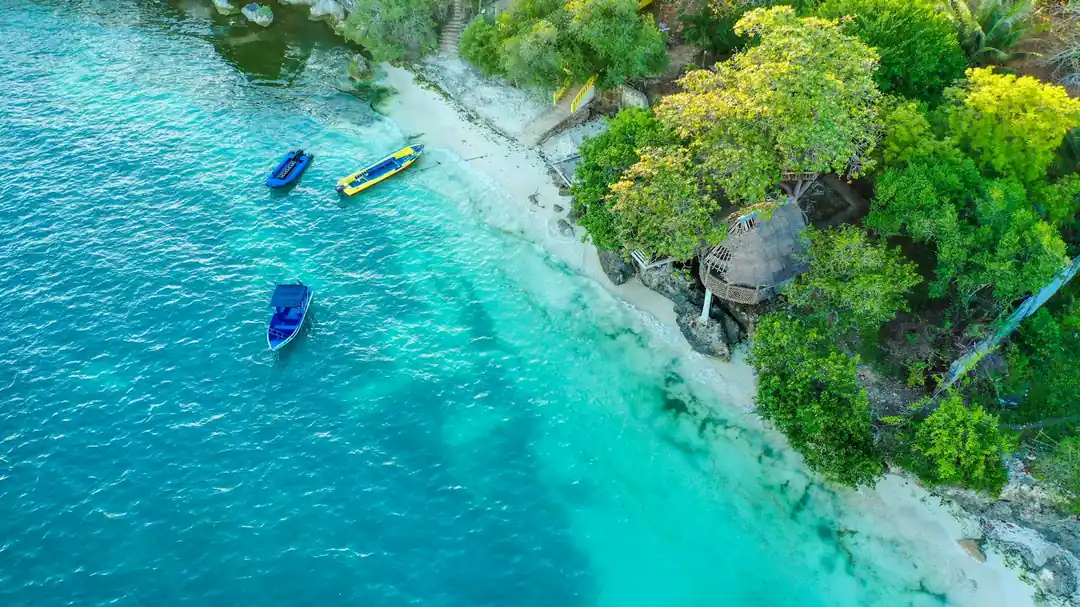
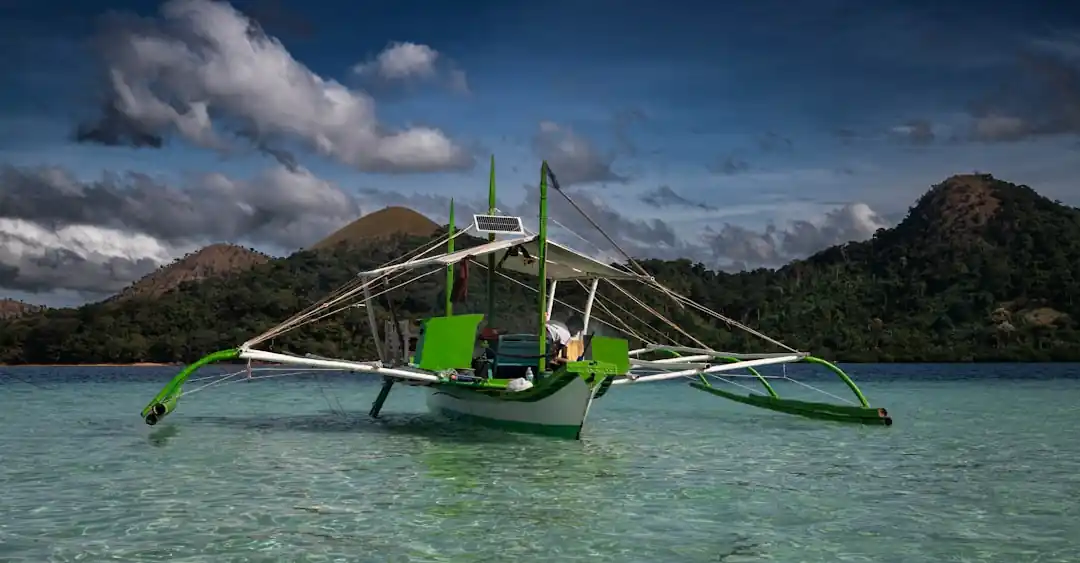
When you close your eyes and picture island hopping in the Philippines, you are almost certainly picturing a banca. These are the traditional outrigger boats, with bamboo "arms" stretching out on either side, that are the lifeblood of coastal communities. They are, without a doubt, the most iconic and authentic way to explore the archipelagos of places like El Nido and Coron, where limestone karsts shoot out of the sea.
These boats are the workhorses for the classic island-hopping tours. You'll spend your days lounging on the deck, the warm sun on your skin, as your boatman navigates through secret lagoons and to snorkeling spots teeming with life. It’s an open-air experience, which means you’ll feel the sea spray and hear the gentle lapping of waves. A little tip: a dry bag is your best friend on these excursions. It’s perfect for keeping your phone, camera, and wallet safe from the occasional splash.
Booking a banca is incredibly easy in tourist areas. You can join a group tour (Tours A, B, C, and D are famous in El Nido) or, for a little more freedom, hire a boat for a private trip. Going private allows you to customize your itinerary and linger a little longer at the spots you fall in love with. It’s a small splurge that can make your day feel truly special and uniquely yours.
Ferries and Fast-Crafts: The Arteries of the Islands
For longer journeys between major island provinces, ferries are the way to go. The Philippines has a vast and surprisingly comprehensive network of sea routes connecting places like Cebu, Bohol, Negros, and Siquijor in the Visayas, or even making the long haul from Manila down to Palawan. These aren't the small bancas; we're talking about large vessels, from high-speed catamarans to massive RORO (Roll-On/Roll-Off) ships that can carry buses and trucks.
I’ve found that ferry travel is a chance to slow down and really appreciate the scale of the country. Standing on the deck as you pull away from a port, watching an island shrink into the distance, is a profoundly peaceful experience. The options on board vary wildly. A quick trip on a fast-craft might just have standard seating, but for overnight journeys, you can often book anything from a reclining seat in an air-conditioned hall to a private cabin with its own bathroom. It’s a surprisingly comfortable and very budget-friendly way to travel.
A bit of advice: book your tickets in advance, especially if you’re traveling during peak season (like Christmas or Holy Week) or on popular routes. Websites like 12Go Asia are fantastic for comparing schedules and prices. And always, always have a little flexibility in your schedule. Ferries can be delayed or canceled due to weather, so it’s wise not to book-end your trip with tight connections.
Taking to the Skies: Domestic Flights
While boat travel is romantic, it’s also slow. If you’re trying to hop from one major region to another—say, from the northern island of Luzon to the southern region of Mindanao—a boat could take days. This is where domestic flights become an absolute game-changer. The Philippines has a competitive airline market, with carriers like Cebu Pacific, Philippine Airlines, and AirAsia offering a web of routes that connect the country.
Flying is the most efficient way to maximize your vacation time. A journey that might take 24 hours by sea can be done in just over an hour by plane. And honestly, it can be incredibly affordable. I’ve snagged one-way flights for the price of a nice dinner by booking a few months in advance and keeping an eye out for the frequent sales these airlines run. It’s how you can realistically have breakfast in Manila and be swimming in the waters of Siargao by the afternoon.
Just be mindful of the airports you’re flying into. Some popular destinations, like El Nido, have smaller airports that are serviced by boutique airlines like AirSWIFT, which can be a bit pricier. Others, like Puerto Princesa in Palawan or Caticlan for Boracay, are serviced by all the major carriers. Always double-check your baggage allowance, as budget airlines are notorious for charging extra for checked bags.
On the Ground: Tricycles, Jeepneys, and Scooters
Once you’ve arrived on an island, a whole new set of transportation options opens up. The most common, and arguably the most fun, is the tricycle. It’s a motorcycle with a covered sidecar welded to its side, and it’s the Filipino equivalent of a taxi. They are everywhere, ready to whisk you on short trips around town. Just agree on the fare before you hop in!
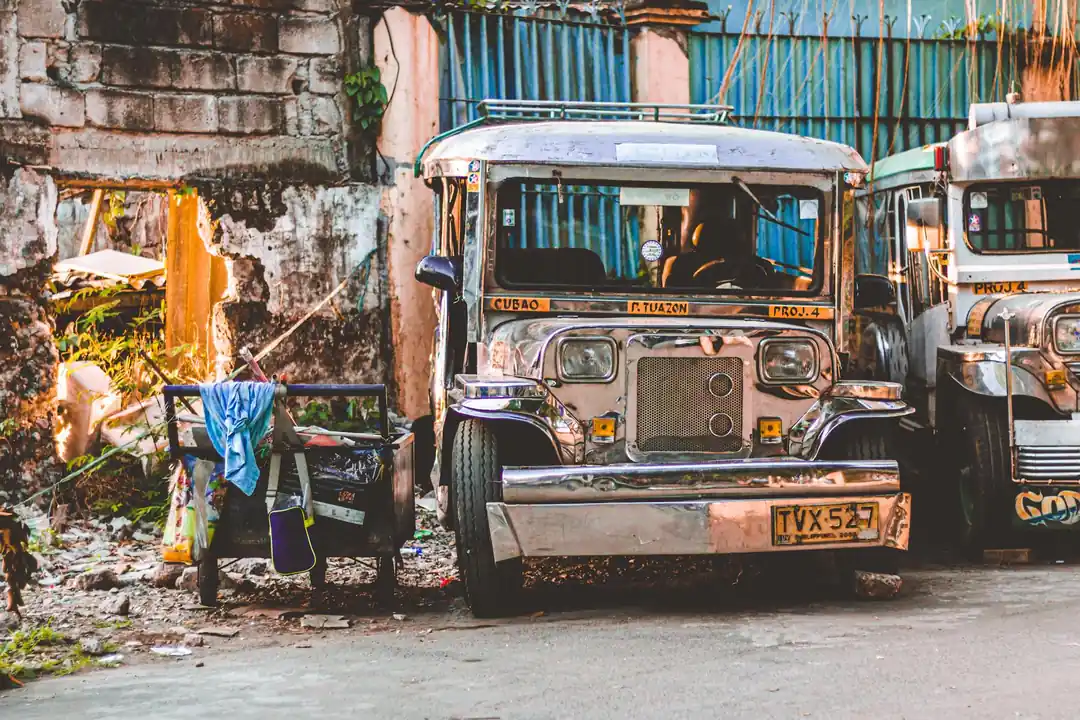
For a truly local experience, you have to ride a jeepney. These are the fantastically decorated, impossibly crowded minibuses that are a symbol of the Philippines. Originally made from leftover US military jeeps after World War II, they now run on set routes and are the cheapest way to get around. You pass your payment down a line of passengers to the driver, and when you want to get off, you just shout "para po!" (stop, please!).
If you’re feeling adventurous and want total freedom, renting a scooter is a fantastic option on many islands. It gives you the ability to explore off-the-beaten-path beaches and find your own little slice of paradise. Just make sure you’re a confident driver, have an international driving permit, and always, always wear a helmet.
Ultimately, navigating the Philippines is an adventure in itself. It’s a dance between planning and spontaneity. Each boat ride, flight, and tricycle journey adds another layer to the story of your trip. So embrace it, be patient, and get ready for the ride of a lifetime. The islands are waiting.
King of the Road: A First-Timer's Guide to Manila's Local Transport
The Ultimate Guide to Traveling the Philippines on a Shoestring Budget
Related Posts
 TRANSPORT
Beyond the Highway: Finding Canada's Soul on a Western Rail Adventure
Forget road trips. I'm talking about rediscovering the romance of travel on Via Rail's most scenic routes through the heart of the Canadian West. It’s an experience that changes you.
 TRAVEL TIPS
The Unwritten Rules of the North: What to Know Before Camping in Canada
Heading to the Great White North for a camping trip? It's an amazing idea. But from campfire etiquette to wildlife wisdom, here’s what you need to know before you go.

Popular Posts

Beyond Stark White: The Best Interior Paint Colors to Light Up Your New Space

How to Actually Master a New Language on Your Own (No Magic Gene Required)

The Simple Pre-Workout Fueling Strategy That Saved My Long Runs