Living in an earthquake-prone area comes with a checklist, but does yours include your furry family members? Here’s how to prepare them for the unexpected.
It’s a quiet Tuesday night. You’re curled up on the sofa, half-watching a movie, your dog’s soft snores a comforting rhythm from the rug. Then, a low rumble begins, a vibration that feels deeper than a passing truck. Within seconds, the floor is jolting, picture frames are rattling, and your heart is hammering against your ribs. Your first thought, before you even think to get under a table, is a frantic, silent scream: Where is the dog?
For those of us who share our lives with pets, this scenario is a unique kind of nightmare. They aren't just animals; they are family. We plan our weekends around their walks, fill our camera rolls with their goofy faces, and find immense comfort in their presence. But when a natural disaster like an earthquake strikes, that bond is tested in a terrifying new way. They can't understand what's happening, and we can't explain it to them.
Living in places like California, Alaska, or the Pacific Northwest, we get the earthquake drills. We know to have a human-centric emergency kit. But how many of us have a truly thought-out, practiced plan for our pets? It’s an unsettling question, but facing it now is the greatest kindness we can offer them. It’s about translating our love into a tangible plan for their safety.
Before the Quake: Preparation is an Act of Love
Honestly, the most critical work happens long before the ground ever moves. It’s in the quiet moments of a normal day that you can build a fortress of safety for your pets. Thinking about it can feel overwhelming, but breaking it down into small, manageable steps makes it feel not just possible, but deeply reassuring.
First, let's talk about the "Go-Bag." We have ours, but they need one too. This isn't just a bag of treats. The American Red Cross suggests a waterproof container with at least a five-day supply of their food and water. Don't forget a manual can opener if you use canned food. Include any medications they need, along with dosage instructions. It’s also wise to have copies of their vaccination records and a current photo of you with your pet, which can be invaluable for proving ownership if you get separated.
Beyond the kit, think about their daily environment. Take a walk through your home and see it from their perspective. Are there heavy bookshelves that could topple over? Large pictures or mirrors hanging over their favorite sleeping spot? Securing heavy furniture to wall studs is a classic earthquake prep tip, but doing it with your pet's safety in mind gives it new urgency. A rattling home is scary enough without the added danger of falling objects.
Finally, let’s talk about identification. This is non-negotiable. Your pet should have a collar with a securely fastened, up-to-date ID tag at all times. But collars can break or slip off. A microchip is a modern miracle for this exact reason. A quick scan at any vet or shelter can reunite you. Just remember the crucial follow-up step: you have to register the chip and keep your contact information current with the microchip company. It’s a simple database update that could make all the difference.
During the Shake: Instinct vs. The Right Move
When the shaking starts, chaos takes over. Our instinct is to grab our pets, to hold them tight and shield them with our own bodies. While the sentiment is beautiful, it can be the wrong, and sometimes dangerous, thing to do. A terrified animal, even the most gentle one, will revert to pure instinct. They may bite, scratch, or claw in their panic, not out of aggression, but out of sheer terror.
Experts, including those at the Humane Society, advise that you let your pets react naturally. Many will instinctively find a hiding spot—under a bed, in a closet, behind a sofa. Trying to pull them out of their chosen safe space can cause injury to both of you and adds to their stress. The best thing you can do for them is to model calm behavior yourself. Get to your own safe spot—Drop, Cover, and Hold On—and call to them in a steady, reassuring voice.
If your pet is small and in your arms or right next to you, by all means, shelter them with you under a sturdy table or desk. But don't run across a shaking room to try and grab them. The risk of you being injured by falling debris is too high, and if you get hurt, you can't help them later. It’s a horribly difficult calculation to make in a split second, but it’s the one that gives you both the best chance of getting through unscathed.
After the Dust Settles: Navigating the New Normal
The shaking stops, but the danger isn't over. The aftermath of an earthquake is a landscape of new hazards and profound stress for our pets. Your first priority should be to check them for injuries. Run your hands carefully over their body, checking for cuts, scrapes, or sensitive spots. Be aware that they may be in pain and could react defensively.
Your home itself has changed. Broken glass, fallen objects, and spilled chemicals can pose a threat. Carefully inspect your home and yard for these dangers before letting your pet roam freely. Fences and gates may be damaged, creating escape routes you don't know about. It's safest to keep them on a leash, even in your own backyard, until you've done a thorough check.
Remember that their world has been violently disrupted. Their sense of security is shattered. Re-establishing a routine as quickly as possible can provide immense comfort. Feed them at their normal times, take them for walks (cautiously), and engage in familiar play. Most importantly, be present. Your calm, steady presence is the most powerful tool you have to help them feel safe again. They will look to you for cues, and your composure will tell them that the world, eventually, will be okay. Be prepared for aftershocks, and know that each one may re-trigger their fear, requiring another dose of patience and comfort from you.
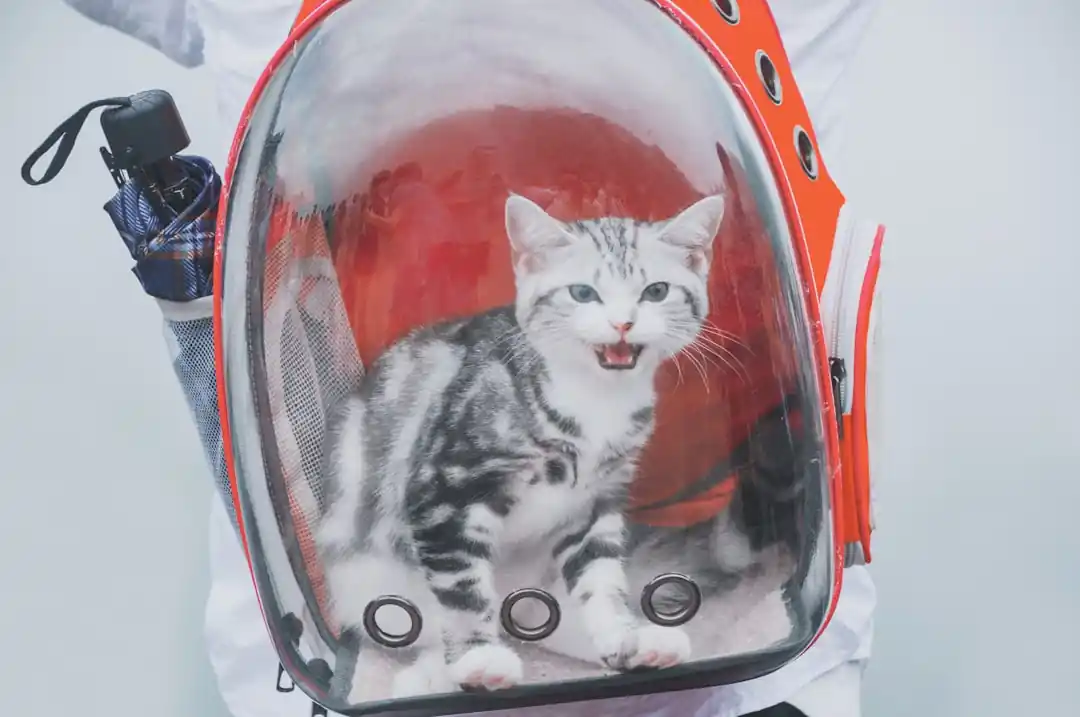
Beyond the Bowl: Crafting Your Pet's Lifesaving Emergency Kit
Decoding Earth's Story: A Beginner's Guide to Reading a Seismograph

Related Posts
 HOBBIES
The Beginner's Guide to Reading the Night Sky: How to Spot Your First Constellations
A friendly, grounded guide to navigating the night sky, understanding stellar movements, and spotting iconic constellations without expensive gear.
 PETS
PETSSniffle-Free Snuggles: America's Most-Loved Hypoallergenic Dogs
Dreaming of a furry friend but dreading the sneezes? You're not alone. Let's dive into the wonderful world of popular hypoallergenic dog breeds in the US.

Popular Posts

Rethinking Non-Profit Promotion: Creative Strategies That Actually Drive Event Impact

Beyond Stark White: The Best Interior Paint Colors to Light Up Your New Space

How to Actually Master a New Language on Your Own (No Magic Gene Required)
