Dreaming of a Spanish road trip? From navigating the paperwork to understanding the rules of the road, here’s everything you need to know before you get behind the wheel.
There’s a romance to the idea of a Spanish road trip, isn’t there? The thought of cruising along the sun-drenched coast, discovering hidden white-washed villages (the famous pueblos blancos), and setting your own schedule is the stuff of travel dreams. While Spain’s public transport system is excellent for getting between major cities, renting a car is what truly unlocks the heart of the country. It’s the difference between visiting a place and truly experiencing it.
Honestly, some of my most cherished travel memories involve a rental car, a loose itinerary, and the freedom to pull over whenever a breathtaking vista appeared. But I’ve also learned that a little preparation goes a long way. It can be the key to a smooth, cinematic journey versus a trip bogged down by unexpected fees and logistical headaches. So, if you’re from the US and dreaming of your own Spanish adventure on four wheels, let’s get into the nitty-gritty.
The Paperwork: Your Ticket to Ride
First things first, let's talk about the boring but absolutely essential stuff: documentation. Getting this right before you leave is crucial. You will, of course, need your valid US driver's license. But here’s the key piece of information many travelers miss: you are required to have an International Driving Permit (IDP) to drive in Spain. I’ve heard stories of rental agencies not asking for it, but it’s a legal requirement, and if you're pulled over by the Guardia Civil, not having one can result in a fine. Think of the IDP as an official translation of your license. You have to get it in the US before you go; you can't obtain one once you're in Europe. Organizations like AAA are your go-to for this, and it’s a simple process.
Beyond the licenses, make sure you have your passport with you, as you’ll need it for identification at the rental counter. The other critical item is a credit card in the main driver's name. Most rental companies will place a significant hold on the card as a security deposit, so a debit card often won’t cut it, or it might lead to more complicated insurance requirements. Also, be mindful of age restrictions. While the legal driving age is 18, most rental agencies require drivers to be at least 21, and if you're under 25, be prepared for a "young driver" surcharge, which can be quite steep.
Choosing Your Car and Company
Now for the more exciting part: picking your ride. The temptation is to go for the cheapest option, but this can be a classic rookie mistake. When comparing prices, look at the total cost, including all the potential add-ons. A company that looks cheaper initially might have higher fees for insurance, extra drivers, or GPS. I always recommend booking your car well in advance, especially if you're traveling during the high season (summer) or around holidays. You’ll get a better price and a wider selection.
The single most important decision you'll make is the size and type of car. Spanish cities are famous for their historic, narrow, and winding streets. A big, American-sized sedan will be a nightmare to navigate and park. A smaller, compact car is almost always the better choice. It’s what the locals drive for a reason! The other major consideration is transmission. The vast majority of rental cars in Spain are manual (stick shift). If you can't drive a manual, you absolutely must filter your search for and book an automatic. They are less common and more expensive, so you need to reserve one specifically. Don’t just assume one will be available.
Decoding Insurance and Fuel Policies
Navigating car rental insurance can feel like learning a new language, but it’s vital for your peace of mind. Your rental will come with basic Third-Party Liability and a Collision Damage Waiver (CDW), but this almost always includes a high deductible (or "excess"). This means that if you have an accident, you're on the hook for the first several hundred or even thousands of euros in damages. The rental desk will aggressively sell you their "Super CDW" or excess waiver to reduce this to zero, but it's usually very expensive. A pro tip is to look into getting separate car hire excess insurance from a third-party provider before your trip. It’s often much cheaper and provides great coverage. Some premium credit cards also offer rental car insurance, but be sure to read the fine print to understand exactly what’s covered.
Fuel policies are another area where you need to be savvy. The best and most common policy is "Full-to-Full." You pick up the car with a full tank and you return it with a full tank. This is the most transparent and fair option. Be wary of "Full-to-Empty" policies, where you pay the rental company for a full tank of gas upfront. Their price per liter is always inflated, and it's nearly impossible to return the car with a perfectly empty tank, meaning you’re paying for fuel you didn’t use. When you're filling up, pay close attention to the fuel type! Renting a diesel (gasóleo) car is common. Putting gasoline (gasolina) in a diesel engine (or vice-versa) is a very, very expensive mistake to make.
On the Road: Rules and Etiquette
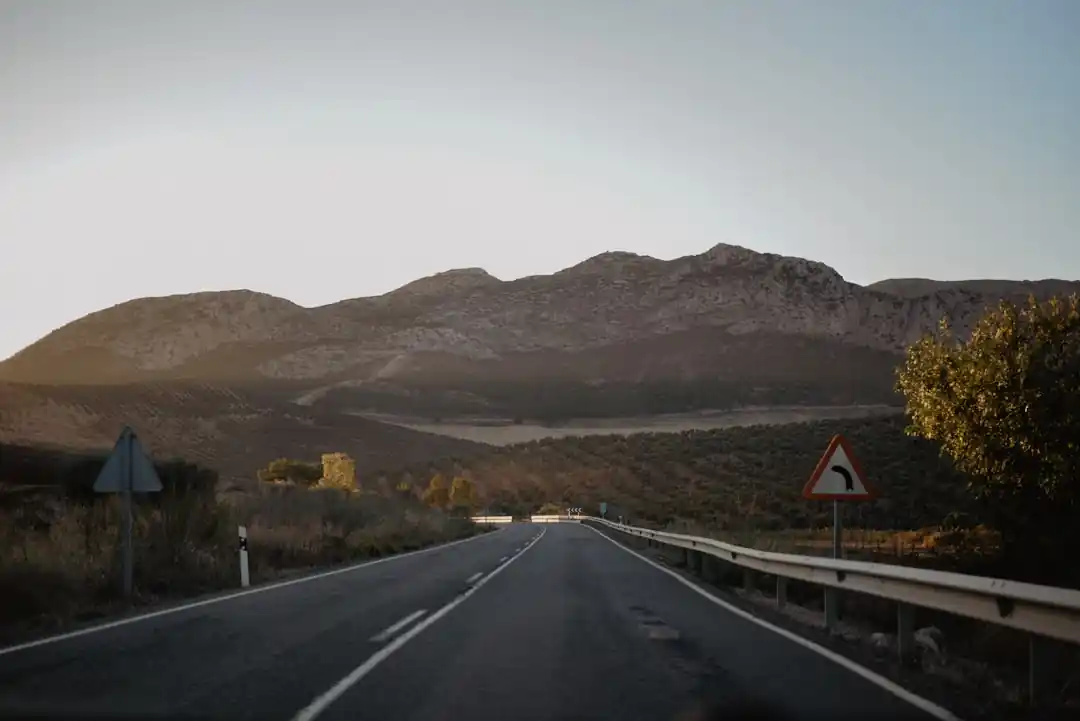
Driving in Spain is a fantastic experience. The roads are generally well-maintained, and outside of the major city centers, traffic is often light. Like in the US, you drive on the right side of the road. Speed limits are in kilometers per hour: generally 120 km/h on autopistas (major highways), 90 km/h on other roads, and 50 km/h or less in towns. Keep an eye out for speed cameras; they are common. One of the biggest adjustments for American drivers is the prevalence of roundabouts. The rule is simple: traffic already in the roundabout has the right of way.
Parking can be the biggest challenge, especially in older cities. Look for underground public parking garages (aparcamiento subterráneo); they are often the easiest, if not the cheapest, option. On the street, blue lines (zona azul) indicate paid parking, which you pay for at a nearby meter. Finally, your rental car should come with the legally required safety equipment: a reflective vest and a V16 flashing beacon (which is replacing the old warning triangles). If you have to stop on the side of a road, you must put on the vest before exiting the vehicle.
Renting a car in Spain is more than just a convenience; it's an invitation to adventure. It allows you to move at your own pace, to be spontaneous, and to see a side of the country that many tourists miss. With the right preparation, you can leave the worries behind and focus on the open road, the stunning scenery, and the incredible journey ahead.

Conquering Spain's Cities: A Guide to Public Transportation for the Savvy Traveler
Decoding Silver: A Beginner's Guide to Market Analysis Reports

Related Posts
 TRANSPORT
Beyond the Highway: Finding Canada's Soul on a Western Rail Adventure
Forget road trips. I'm talking about rediscovering the romance of travel on Via Rail's most scenic routes through the heart of the Canadian West. It’s an experience that changes you.
 TRAVEL TIPS
The Unwritten Rules of the North: What to Know Before Camping in Canada
Heading to the Great White North for a camping trip? It's an amazing idea. But from campfire etiquette to wildlife wisdom, here’s what you need to know before you go.

Popular Posts

Rethinking Non-Profit Promotion: Creative Strategies That Actually Drive Event Impact

Beyond Stark White: The Best Interior Paint Colors to Light Up Your New Space

How to Actually Master a New Language on Your Own (No Magic Gene Required)
