Just got some new body art? Amazing! But the journey doesn't stop at the piercing studio. Here’s how to make sure your new piercing heals beautifully.
So you did it. You finally got that piercing you’ve been dreaming about for months, maybe even years. There’s a unique kind of thrill that comes with adding a new piece of sparkle to your body, a fresh way to express who you are. It’s a moment of transformation, and it feels fantastic. But as you walk out of that studio, admiring your new adornment, it’s important to remember that the piercer’s job is done, and now, the most crucial part of the journey is in your hands: the aftercare.
Honestly, I can't stress this enough. Proper aftercare is the single most important factor in how well your piercing heals. It's the difference between a beautiful, happy piercing that you'll love for a lifetime and a frustrating, painful experience that can lead to irritation, bumps, or even infection. Think of your new piercing as a delicate wound that needs your consistent and gentle care to heal properly. It’s a commitment, for sure, but it’s a small price to pay for a piece of art that becomes a part of you.
Your Aftercare Toolkit: Keep It Simple
When it comes to cleaning your new piercing, the best approach is often the simplest. The piercing world has moved far beyond the harsh chemicals we might have used in the past. Today, the gold standard recommended by the Association of Professional Piercers (APP) is a sterile saline wound wash. That’s it. You’re looking for a can that lists only two ingredients: 0.9% sodium chloride (salt) and purified water. Anything else—preservatives, additives, or "ear care solutions"—can be irritating.
Why is this so important? Your body is an incredible healing machine, and the goal of aftercare is simply to support that natural process, not to interfere with it. Harsh cleaners like rubbing alcohol, hydrogen peroxide, or strong antibacterial soaps can actually do more harm than good. They can dry out the skin, kill off the new, healthy cells that are trying to form, and ultimately delay healing. The same goes for ointments, which can trap moisture and bacteria, creating the perfect environment for an infection.
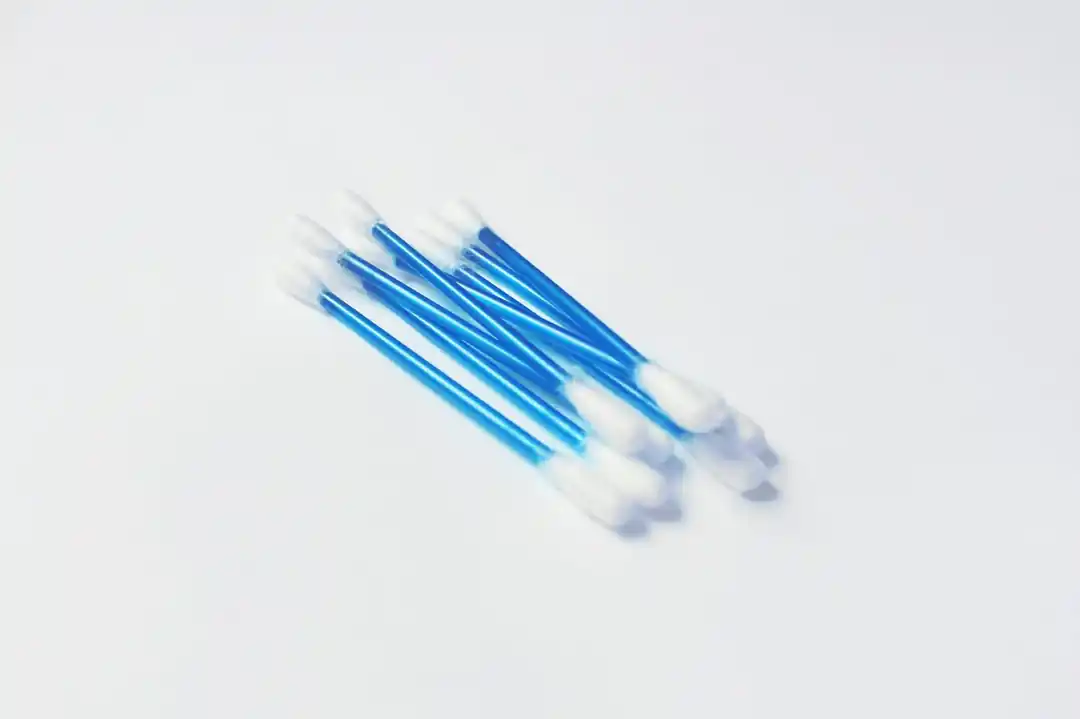
So, your daily routine should be straightforward. Twice a day, you’ll want to gently spray the front and back of your piercing with the sterile saline solution. Let it soak for a minute or two to help soften any "crusties" (that dried fluid that’s a normal part of healing). Then, the most important step: dry the area thoroughly. You can use a clean, non-woven gauze pad or even a paper towel. Some people swear by using a hairdryer on the cool setting. Just avoid cloth towels, which can snag on your jewelry and introduce bacteria.
The Dos and Don'ts of a Happy Healing Process
Living with a new piercing requires a bit of mindfulness. There are a few key habits to adopt and a few to avoid to ensure everything goes smoothly. The number one rule? Leave it alone. It’s so tempting to twist, turn, or play with your new jewelry, but this is one of the worst things you can do. Every time you move the jewelry, you’re tearing the delicate new tissue (called a fistula) that’s trying to form inside the piercing channel. Just let it be.
Another major "don't" is submerging your piercing in bodies of water. This means no swimming pools, no hot tubs, no lakes, and no long, soaking baths for the entire initial healing period. These places are breeding grounds for bacteria, and a new piercing is an open invitation for them to cause trouble. Quick showers are perfectly fine, and in fact, letting the warm water run over the piercing can feel soothing and help loosen debris. Just be sure to give it a final rinse with your saline spray and dry it completely afterward.
On the "do" side of things, be very mindful of what comes into contact with your piercing. This includes your hands (always wash them first!), your phone, your bedding, and your clothing. Try to sleep on the opposite side of your new piercing, or use a travel pillow and place your ear in the hole to avoid putting pressure on it. Be careful when pulling clothes over your head, and keep makeup, lotions, and hair products away from the immediate area. It’s all about creating a clean, low-irritation environment where your body can work its magic.
Listening to Your Body: Signs of Healing and Trouble
The healing journey is different for everyone and for every type of piercing. An earlobe might feel pretty good within a couple of months, while a cartilage piercing can take a full year or even longer to be truly, fully healed. It’s a process that happens from the outside in, so even if it looks perfect on the surface, it can still be very delicate on the inside. Patience is your best friend.
During the first few weeks, it's completely normal to experience some swelling, redness, tenderness, and maybe even a little bleeding or bruising. You'll also notice a clear or whitish-yellow fluid that dries into those "crusties" we talked about. This is not pus; it's lymph fluid, and it's a sign that your body is healing exactly as it should. Don't pick at them! Just let the saline spray and shower water soften them until they rinse away on their own.
It's also vital to know the difference between normal healing and the signs of an actual infection. An infected piercing will often have significant, persistent swelling and redness, feel hot to the touch, and may discharge thick, greenish or dark yellow pus. You might also experience a throbbing pain that gets worse, not better. If you see any of these signs, or if you develop a fever, don't try to tough it out. Contact your piercer for advice, but more importantly, see a doctor. It's always better to be safe and get a professional medical opinion.
Taking care of a new piercing is a ritual of patience and gentleness. It’s a quiet conversation with your body as you both adapt to this new, beautiful change. By keeping it simple, clean, and leaving it alone, you’re setting the stage for a happy healing process. Before you know it, the aftercare routine will be a distant memory, and you'll just be left with the sparkle.

A Beginner's Guide to Writing Comedy That Actually Lands
Your High School Game Plan for College Applications

Related Posts
 HOBBIES
The Beginner's Guide to Reading the Night Sky: How to Spot Your First Constellations
A friendly, grounded guide to navigating the night sky, understanding stellar movements, and spotting iconic constellations without expensive gear.
 PETS
PETSSniffle-Free Snuggles: America's Most-Loved Hypoallergenic Dogs
Dreaming of a furry friend but dreading the sneezes? You're not alone. Let's dive into the wonderful world of popular hypoallergenic dog breeds in the US.

Popular Posts

Rethinking Non-Profit Promotion: Creative Strategies That Actually Drive Event Impact

Beyond Stark White: The Best Interior Paint Colors to Light Up Your New Space

How to Actually Master a New Language on Your Own (No Magic Gene Required)
