Planning a trip to Morocco? Figuring out how to get from city to city can be a puzzle. Here’s a friendly breakdown of whether trains or buses are right for your adventure.
So, you’ve decided to dive into the vibrant, sensory world of Morocco. You’re dreaming of bustling medinas, the scent of spices in the air, stunning mosques, and vast desert landscapes. But then comes the practical question that every traveler faces: what’s the best way to get from one incredible city to the next? In Morocco, the two main contenders for overland travel are the train and the bus. And honestly, the choice isn't always straightforward.
I remember sitting with my laptop, a cup of mint tea in hand, trying to piece together my own Moroccan itinerary. Should I book a train from Marrakech to Fes? Or would a bus be better for getting to the blue city of Chefchaouen? It felt like a logistical puzzle. The truth is, there’s no single "best" way; it all depends on your destination, your budget, and the kind of experience you’re looking for.
Think of it less as a competition and more as choosing the right tool for the job. Sometimes you need the speed and comfort of a train, and other times you need the flexibility and reach of a bus. Let’s break down the pros and cons of each, so you can piece together your own perfect Moroccan adventure with confidence.
The Romance of the Rails: Train Travel
There’s something undeniably romantic about train travel, and Morocco’s national railway, the ONCF, does a fantastic job of connecting the country's major hubs. If you’re traveling along the main artery from Marrakech up to Fes, Tangier, Casablanca, or Rabat, the train is often your most comfortable and efficient option. The carriages are modern, the stations are generally clean and easy to navigate, and the whole experience feels surprisingly relaxed.
One of the biggest selling points is comfort. You can book a seat in either first or second class. While second class is perfectly fine, first class offers a significant upgrade for a relatively small price increase. We’re talking more spacious, comfortable seats in a quieter carriage with assigned seating, which means no scrambling for a spot. For a long journey, like the seven-hour ride from Marrakech to Fes, that extra legroom and peace of mind can be a real game-changer.
Then there’s the speed. Morocco is home to Africa’s first high-speed train, Al Boraq, which zips between Tangier and Casablanca in just over two hours. For other routes, the trains are not necessarily "fast," but they are reliable and move at a steady pace without the worry of city traffic. Watching the diverse Moroccan landscape—from dusty plains to green fields—roll by your window is a travel experience in itself. It’s a chance to slow down, read a book, and just absorb the scenery.
On the Road: The All-Reaching Bus
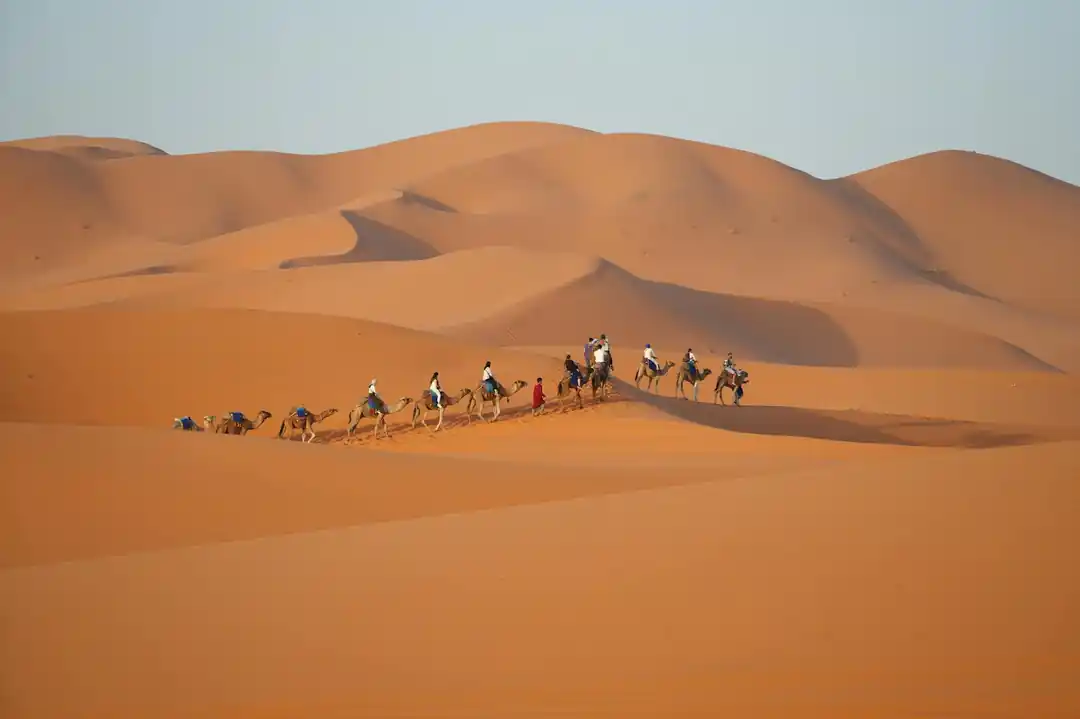
While the train network is excellent, it has its limits. It simply doesn’t go everywhere. If your plans include venturing into the Atlas Mountains, heading to coastal towns like Essaouira or Agadir, or making the iconic journey to the Sahara Desert dunes in Merzouga, you’ll be relying on a bus. And that’s not a bad thing at all. Morocco has a fantastic network of comfortable, air-conditioned coaches that will get you almost anywhere you want to go.
The two main players you’ll hear about are CTM and Supratours. Both are reputable companies known for their safety and reliability, offering a significant step up from the local, more chaotic buses. CTM is a private company with a huge network, while Supratours is actually run by the national railway (ONCF). This is a brilliant little travel hack: you can often book a combined train and bus ticket through the ONCF website, where the Supratours bus will be waiting at the train station to take you onward to your final destination (like from Marrakech to Essaouira).
The biggest advantage of the bus is its sheer reach. It’s the backbone of the country’s public transport system, connecting not just the big cities but also the smaller towns and remote areas that the train tracks miss. Buses are also almost always the more budget-friendly option. The trade-off, of course, is time. Bus journeys are subject to road conditions and can be significantly longer than train travel on the same route, with more stops along the way. However, for many destinations, it’s your only and best option.
Head-to-Head: Making the Right Choice for You
So, how do you decide? Let’s put them side-by-side based on what might matter most to you.
If your priority is comfort and a relaxed journey: The train is your winner, especially in first class. The spacious seating and smooth ride make it a much more pleasant experience for longer trips between the major imperial cities.
If you’re on a tight budget: The bus will almost always be cheaper. While train tickets aren’t expensive by Western standards, the savings from taking a bus can add up, allowing you to spend more on experiences, food, or that rug you’ve been eyeing.
If you need to get between major cities quickly: The train, particularly the Al Boraq high-speed line, is the clear winner. For the popular Casablanca-Rabat-Tangier route, nothing else comes close in terms of speed.
If your destination is off the beaten path: The bus is your only real option. Places like Chefchaouen, Essaouira, or the desert towns are not serviced by the railway. The extensive bus network is your key to unlocking these incredible parts of the country.
Ultimately, your Moroccan itinerary will likely involve a mix of both. You might take a comfortable train from Fes to Casablanca, and then hop on a Supratours bus to continue down to the coast. This combination allows you to leverage the strengths of each system, creating a seamless and efficient travel plan.
No matter which you choose, try to embrace the journey. Both the train and the bus offer a unique window into the life and landscapes of Morocco. It’s a chance to travel alongside locals, see the country unfold before your eyes, and understand that getting there is truly part of the adventure.
Renting a Car in Morocco: The Ultimate Guide for US Travelers
What to Wear in Marrakech: A Guide to Smart, Stylish, and Respectful Travel
Related Posts
 TRANSPORT
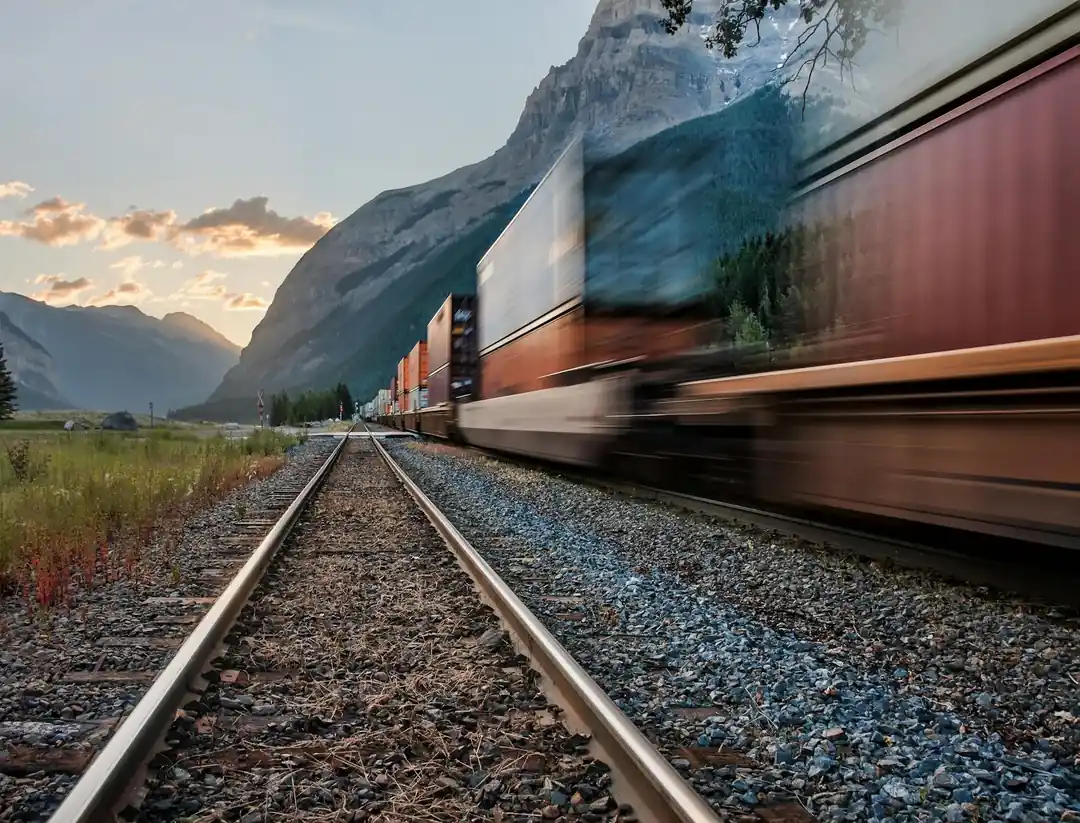
Beyond the Highway: Finding Canada's Soul on a Western Rail Adventure
Forget road trips. I'm talking about rediscovering the romance of travel on Via Rail's most scenic routes through the heart of the Canadian West. It’s an experience that changes you.
 TRAVEL TIPS
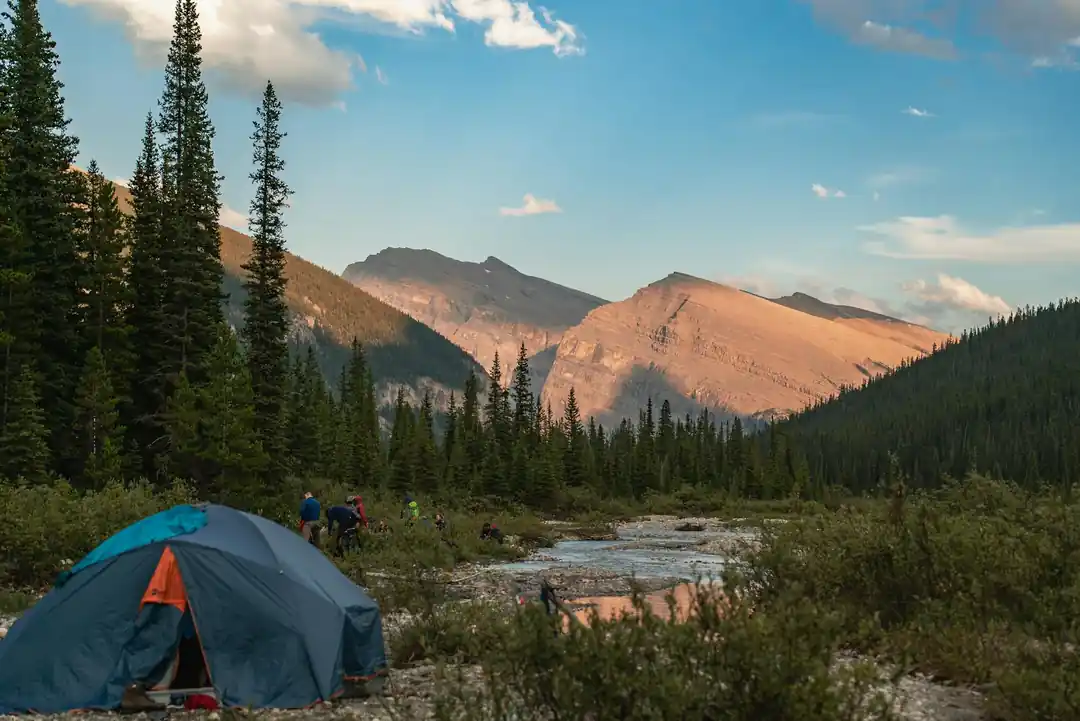
The Unwritten Rules of the North: What to Know Before Camping in Canada
Heading to the Great White North for a camping trip? It's an amazing idea. But from campfire etiquette to wildlife wisdom, here’s what you need to know before you go.

Popular Posts

Rethinking Non-Profit Promotion: Creative Strategies That Actually Drive Event Impact

Beyond Stark White: The Best Interior Paint Colors to Light Up Your New Space

How to Actually Master a New Language on Your Own (No Magic Gene Required)