Beyond the Guidebook: A Traveler's Heart-to-Heart on Israeli Culture
Thinking of visiting Israel? It's more than just historical sites. Let's talk about the real-life cultural moments that will make your trip unforgettable.
There’s a certain magic to planning a trip to Israel. Your mind fills with images of ancient stones, golden domes, and vibrant coastlines. And while all of that is absolutely true and breathtaking, the real soul of Israel, the thing that will stick with you long after you've come home, is its culture. It’s a place of intense history, deep-seated traditions, and a surprisingly modern, fast-paced energy that all swirls together in a way that’s completely unique.
Honestly, before my first visit, I was a little nervous. I’d read all the travel guides, but I was worried about the unwritten rules, the social cues I might miss as an American. Would I accidentally offend someone? Would I seem out of place? What I discovered was a people who are overwhelmingly warm, incredibly direct, and generally very forgiving of well-intentioned tourists. They appreciate when you try, and that effort to understand their way of life is what transforms a regular vacation into a meaningful journey.
So, let's go beyond the typical travel advice. Think of this as a chat over coffee, sharing some of the things I’ve learned about navigating the beautiful and complex culture of Israel. These aren't rigid rules, but gentle nudges to help you connect more deeply, travel more respectfully, and open your heart to the experiences that don’t always make it into the guidebooks.
The Art of Conversation: Direct, Warm, and Full of Life
One of the first things that might surprise you is the Israeli communication style. It’s direct. Very direct. Where an American might soften a request with "I was just wondering if it might be possible to..." an Israeli is more likely to get straight to the point. It’s not meant to be rude or abrupt; it’s a cultural preference for honesty and efficiency. I actually grew to love it. There’s a certain freedom in knowing exactly where you stand. My advice? Don't take it personally. Embrace the clarity and feel free to be straightforward (but always kind) in your own interactions.
You'll also find that personal space can be a bit cozier than what you're used to. People might stand closer when they talk, and a friendly touch on the arm during a conversation is a common way to show engagement and warmth. It’s a sign of connection, not an invasion of your bubble. A simple "Shalom" (which means hello, goodbye, and peace) is a perfect greeting for almost any situation, and while most Israelis in the service industry speak excellent English, making an effort with a few Hebrew words like "Toda" (thank you) or "Bevakasha" (please/you're welcome) will be met with genuine appreciation.
This directness is often paired with an incredible warmth and a fierce sense of community. Israelis are passionate, expressive, and love a good debate. Don't be alarmed if you see what looks like a heated argument in a café—it could very well just be a lively discussion about politics or football among friends. It’s a culture that values strong opinions and spirited conversation. Jump in if you feel comfortable, but it's also perfectly fine to just listen and soak in the vibrant energy.
Dressing for the Occasion: A Tale of Two Cities (and Holy Sites)
Packing for Israel requires a bit of strategic thinking. The vibe can change dramatically from one place to the next. In the buzzing, cosmopolitan city of Tel Aviv, the dress code is very relaxed and fashion-forward. Think beach-casual by day and stylish-chic by night. You’ll feel right at home in shorts, tank tops, and sandals as you explore its cafes and coastlines. It’s a city with a very modern, Mediterranean energy, and the fashion reflects that.
However, the moment you head towards Jerusalem or other religious areas, the cultural expectation shifts significantly. Modesty is the key word here, and it’s a sign of respect that is deeply appreciated. When visiting holy sites—and this includes the Western Wall, the Church of the Holy Sepulchre, and the Dome of the Rock—it's essential for both men and women to dress conservatively. For women, this means covering your shoulders, cleavage, and knees. I always carry a large, lightweight scarf in my bag. It’s a lifesaver for draping over my shoulders or even tying as a makeshift long skirt over shorts.
For men, long pants are a must for religious sites, and you may be asked to wear a kippah (a small skullcap) at Jewish holy places, which are usually provided for free at the entrance. Adhering to these dress codes isn't just about gaining entry; it's about showing that you respect the sanctity of these spaces. It’s a small gesture that demonstrates a huge amount of cultural awareness and will make your experience feel much more authentic and welcomed.
Shabbat, Kashrut, and the Rhythm of the Week
Two concepts that are fundamental to understanding daily life in Israel are Shabbat and Kashrut. Shabbat, the Jewish Sabbath, is a day of rest that begins at sundown on Friday and ends after sundown on Saturday. During this time, you'll notice a profound shift in the country's rhythm. In most Jewish-majority cities, public transportation stops running, and many shops, restaurants, and businesses close completely.
For a first-time visitor, this can be a bit of a logistical challenge if you're not prepared. My advice is to plan ahead. Do your grocery shopping on Friday morning, and plan your travel for before or after Shabbat. But also, try to embrace it. Shabbat offers a unique opportunity to experience a quieter, more peaceful side of Israel. It’s a beautiful time for a walk, a visit to a park, or a long, leisurely meal at one of the restaurants or hotels that do remain open. In Tel Aviv, more places stay open, but in Jerusalem, the quiet is much more pronounced.
Kashrut refers to Jewish dietary laws, and you'll encounter it in many restaurants and homes. The most basic rules involve the prohibition of pork and shellfish, and the strict separation of meat and dairy products. This means you won't find a cheeseburger on the menu at a kosher restaurant, nor will you be offered milk for your coffee after a meat-based meal. It’s a deeply ingrained tradition that is fascinating to observe. Even if you don't keep kosher yourself, being aware of it is a sign of respect, especially if you are ever invited to someone's home for a meal.
Ultimately, traveling through Israel is a journey for the heart and mind. It’s a place that challenges you, inspires you, and fills you with a sense of wonder. By approaching it with an open mind, a respectful attitude, and a willingness to learn, you’ll find that the cultural bridges you build will become the most cherished souvenirs from your trip. Go with curiosity, lead with kindness, and have the most incredible adventure.
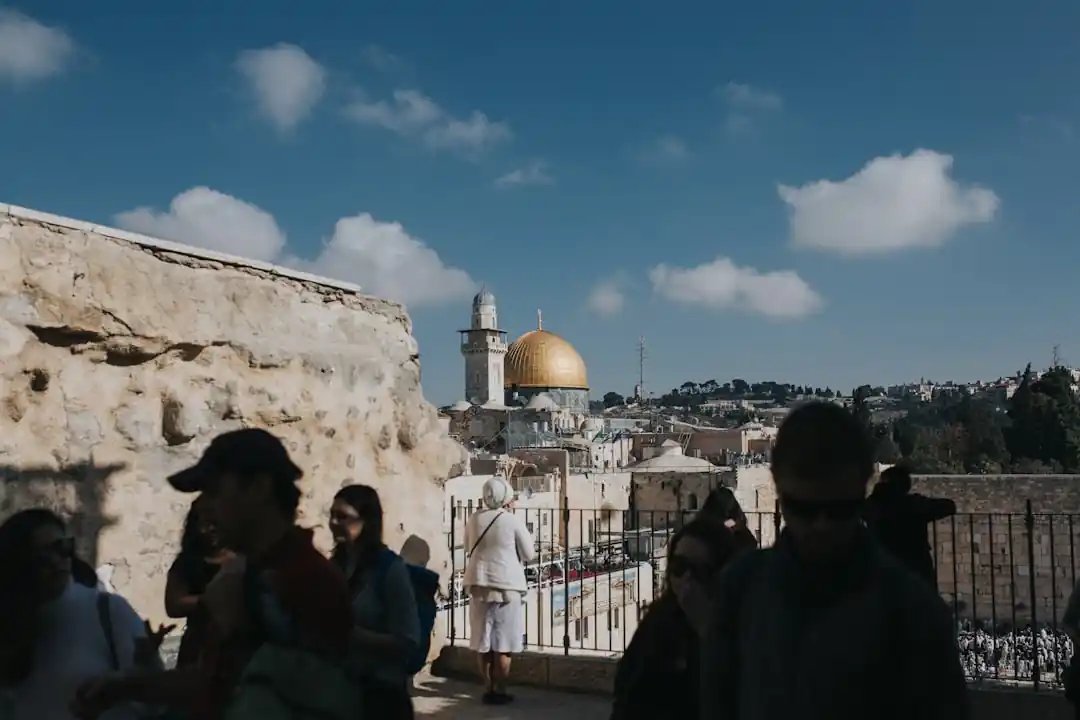
Dressing with Respect: A Guide to Visiting Holy Sites in Israel
What to Know Before Planning a Trip to Israel: A Guide for US Travelers
Related Posts
 TRANSPORT
Beyond the Highway: Finding Canada's Soul on a Western Rail Adventure
Forget road trips. I'm talking about rediscovering the romance of travel on Via Rail's most scenic routes through the heart of the Canadian West. It’s an experience that changes you.
 TRAVEL TIPS
The Unwritten Rules of the North: What to Know Before Camping in Canada
Heading to the Great White North for a camping trip? It's an amazing idea. But from campfire etiquette to wildlife wisdom, here’s what you need to know before you go.

Popular Posts

Rethinking Non-Profit Promotion: Creative Strategies That Actually Drive Event Impact

Beyond Stark White: The Best Interior Paint Colors to Light Up Your New Space

How to Actually Master a New Language on Your Own (No Magic Gene Required)
