Is Investing in Whiskey Casks the Liquid Gold Rush You've Been Waiting For?
We're all looking for that next smart investment. But what if it wasn't in stocks or real estate, but aging quietly in a barrel? Let's talk about whiskey.
Let’s be honest, the world of investing can feel a little… impersonal. We pour money into stocks, bonds, or real estate, watching numbers on a screen, but we don’t always feel a tangible connection to where our money is going. So, what if I told you about an investment you could theoretically (and eventually) taste? An asset that gets better with age, steeped in history and craftsmanship. I’m talking about whiskey. Not just collecting rare bottles, but owning the entire cask as it matures.
The idea of investing in whiskey casks has been gaining some serious traction. It feels different, doesn't it? It’s a conversation starter. It’s an alternative asset that exists outside the dizzying volatility of the stock market. For years, this was a niche game, something for industry insiders or the ultra-wealthy. But now, more and more people are asking the question: Is buying a cask of whiskey a genuinely smart financial move, or is it just a romantic notion with a high potential for a headache?
As someone who loves both a good investment and a good story, I had to dig in. The thought of owning a piece of a distillery's future is undeniably cool. But coolness doesn't always translate to good financial sense. We need to look past the allure of the "angel's share" and understand the real risks and rewards. So, let's pour ourselves a dram (in spirit, at least) and explore the world of liquid gold.
What Exactly Is Whiskey Cask Investing?
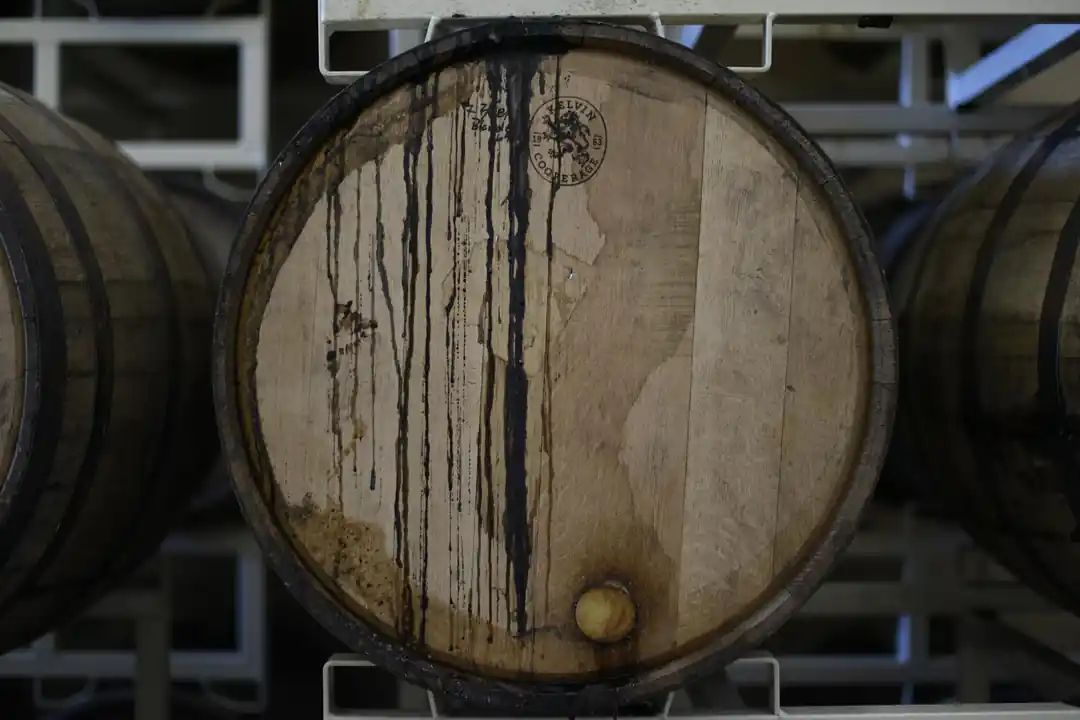
Before we get into the nitty-gritty, let's clarify what we're even talking about. Investing in a whiskey cask means you are purchasing a large wooden barrel filled with newly made, unaged spirit direct from a distillery. You become the owner of that specific cask and the liquid inside it. Your investment doesn't sit in your basement; it remains in a professionally managed, bonded warehouse—usually in Scotland or Ireland, where the magic of maturation happens.
The fundamental principle is simple: whiskey gets more valuable as it ages. The raw, clear "new make" spirit goes into the oak cask and, over years, develops its color, character, and complex flavors. A 3-year-old Scotch is one thing; a 12, 18, or even 25-year-old Scotch is something else entirely, both in taste and in price. Your job as an investor is to simply let time, and the wood of the cask, do the work.
The process isn't as complicated as it might sound on the surface. You typically go through a broker or a distillery program. They handle the sale, the storage, and the insurance (which is non-negotiable). You receive a certificate of ownership, and for the next several years, your whiskey just… sits there. The goal is to sell the cask down the line, either to an independent bottler who wants your specific aged whiskey for their brand, back to the original distillery, or to another investor. The difference between your purchase price and the sale price, minus fees, is your profit.
The Allure: Why People Are Pouring Money into Casks
So, what’s driving the interest? A few years ago, a report highlighted that the value of rare Scotch whisky had outperformed many traditional investments, including fine wine and even the FTSE 100. That kind of headline naturally turns heads. The primary appeal is the potential for significant returns. As the whiskey matures, its quality and rarity increase, which can lead to a substantial appreciation in value. It's a tangible asset that isn't directly tied to the daily swings of the stock market, offering a layer of diversification for a portfolio.
There's also the passion aspect. For lovers of whiskey, this is more than just a line item on a spreadsheet. It’s a way to connect with the heritage and craft of their favorite spirit. Owning a cask from a renowned distillery like Macallan, or a smaller, up-and-coming one, feels like owning a small piece of history in the making. It’s a story you can tell, an investment with a personality.
Finally, there's the simple fact that demand for high-quality, aged single malt Scotch and Irish whiskey is booming globally, especially in emerging markets across Asia and North America. This growing demand, coupled with a finite supply (you can't rush the aging process), creates a classic supply-and-demand scenario that can be very favorable for investors holding onto well-chosen, maturing casks.
The Hangover: Understanding the Risks and Realities
Now, for the important reality check. Whiskey cask investment is not a guaranteed path to riches. The industry is notoriously under-regulated, which has unfortunately opened the door for some less-than-reputable players. There have been horror stories of fraudulent companies selling casks that don't exist or vastly over-promising returns. This makes doing your due diligence absolutely critical. You must work with established, trusted brokers or distilleries with a long track record.
It's also an incredibly illiquid investment. You can't just cash out on a whim. Finding a buyer for your cask can take time, and you'll need to go through the proper channels. This is a long-term game, often requiring a commitment of at least 5 to 10 years, if not longer. If you need access to your capital quickly, this is not the right asset for you.
Furthermore, there are ongoing costs to consider. You'll be paying for storage in that bonded warehouse, as well as insurance to protect against damage or loss. And don't forget the "angel's share"—the small percentage of whiskey that evaporates from the cask each year. While a natural part of the process, it means you have a diminishing asset in terms of volume. Your hope is that the increase in value per liter far outpaces this slow loss. For U.S. investors specifically, there can also be complex tax implications and regulations to navigate when it comes time to sell, so consulting with a financial advisor is a must.
Ultimately, while the returns can be impressive, they are far from certain. The market could shift, a particular distillery could fall out of favor, or you might simply find that the final matured product isn't as sought-after as you'd hoped. It’s a unique opportunity, but one that requires patience, thorough research, and a clear understanding of the risks involved. It's an investment for a portion of your portfolio you're comfortable dedicating to a long-term, higher-risk, but potentially rewarding venture.
I hope this gives you a clearer picture of what it truly means to invest in liquid gold. It’s a fascinating world, but like the spirit itself, it’s one best approached with respect and a healthy dose of wisdom.
Liquid Gold or Money Pit? How to Evaluate a Whiskey Distillery Investment
The Angel's Share is the Easy Part: Why Craft Whiskey Distilleries Are Facing a Reckoning
Related Posts
 BUSINESS
Rethinking Non-Profit Promotion: Creative Strategies That Actually Drive Event Impact
Discover modern, research-backed strategies for promoting non-profit fundraisers, from experiential marketing to hyper-local micro-influencers and cross-sector partnerships.
 BUSINESS
Is the TV Ad Dead? A Deep Dive into Cost and Effectiveness in 2024
In an age of streaming and scrolling, is a TV commercial still a smart bet for brands? We're breaking down the real costs and surprising effectiveness of television advertising today.

Popular Posts
Rethinking Non-Profit Promotion: Creative Strategies That Actually Drive Event Impact

Beyond Stark White: The Best Interior Paint Colors to Light Up Your New Space

How to Actually Master a New Language on Your Own (No Magic Gene Required)
