The Unshakable Home: How to Build a Comprehensive Earthquake Preparedness Kit
It’s the one disaster that arrives without warning. Let's move beyond fear and build a smart, comprehensive earthquake kit that offers real peace of mind.
There’s a unique kind of unsettling feeling that comes with living in a place where the ground beneath you can decide to shift without any warning. Unlike hurricanes with their days of tracking or blizzards with their forecasts, an earthquake is the ultimate surprise party that no one asked for. For a long time, I think I subconsciously subscribed to the “it won’t happen to me” philosophy. It’s an easier way to live, isn’t it? Just push the thought away. But the more I read and the more I listened to stories from places like California and the Pacific Northwest, the more I realized that ignoring the possibility isn’t a strategy—it’s a gamble.
Building an earthquake preparedness kit felt like a monumental task, something for hardcore survivalists. But I’ve come to see it differently. It’s not about preparing for the end of the world; it’s about preparing for a temporary, and very possible, disruption of our normal world. It’s about ensuring that if the lights go out, the water stops running, and the grocery stores are inaccessible, my family and I have a buffer. It’s an act of profound self-reliance and care. So, let’s walk through this together, and turn that nagging anxiety into a solid, actionable plan.
The Holy Trinity: Water, Food, and First Aid
When a major quake hits, the services we take for granted can vanish in an instant. Emergency responders will be overwhelmed, and official advice, like that from FEMA, suggests we should be prepared to be self-sufficient for a minimum of 72 hours, though a two-week supply is the gold standard. The most critical needs are the most basic ones.
First, water. The rule of thumb is one gallon of water per person, per day. This covers both drinking and basic sanitation. It sounds like a lot, but when you consider you can’t flush toilets or wash hands without it, you see how quickly it would go. Commercially bottled water is your safest bet. Store it in a cool, dark place, and resist the urge to dip into it for a regular day’s thirst.
Next is food. We’re talking non-perishables, and your goal is to stock up on things that require zero cooking or refrigeration. Think high-energy foods: protein bars, peanut butter, dried fruit, nuts, and canned goods like tuna, beans, and stews. A crucial, and often forgotten, item? A manual can opener. Don’t rely on your electric one. Also, take a moment to consider your household's actual needs. If you have a baby, you’ll need ready-to-use formula. If you have pets, their food is just as important as yours. This isn’t about gourmet dining; it’s about stable, comforting calories.
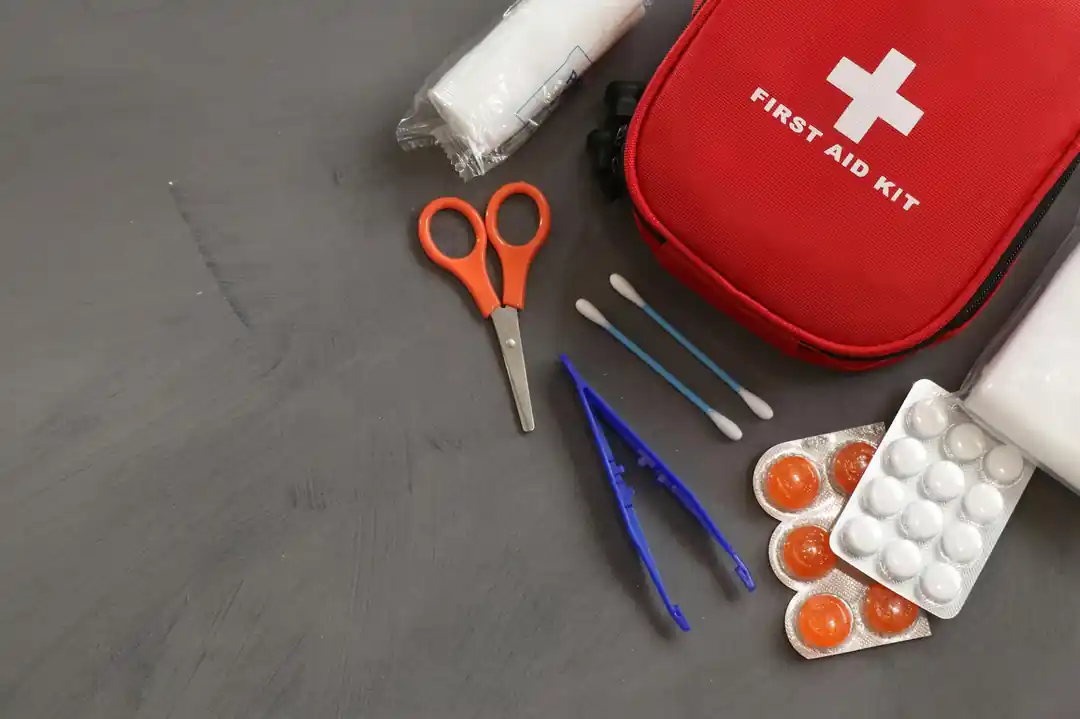
Finally, a robust first-aid kit is non-negotiable. You can buy pre-assembled ones, but I recommend customizing them. Include basics like bandages, sterile gauze, antiseptic wipes, and pain relievers. But also add any personal prescription medications (a week’s supply at minimum), extra glasses or contact lenses, and any specialized medical supplies you might need. Having these items on hand can be the difference between a manageable situation and a crisis.
Light, Communication, and Critical Tools
The silence after a quake can be just as unnerving as the shaking itself, especially when it’s accompanied by a sudden, deep darkness. Power outages are almost a certainty, so reliable light sources are essential. Every member of the household should have a flashlight. LED flashlights are bright and their batteries last a long time. Headlamps are even better, as they keep your hands free. Stockpile extra batteries and consider a hand-crank flashlight as a backup for your backup. Avoid using candles, as the risk of fire from an undetected gas leak is terrifyingly real.
Staying informed is just as critical. Your phone might work, but don’t count on it. Cell towers get overloaded or damaged. This is where old-school technology shines. A battery-powered or hand-crank radio, especially one that can receive NOAA Weather and All-Hazards broadcasts, is your lifeline to the outside world. It will provide official information on relief efforts, shelter locations, and safety warnings.
Beyond that, a few key tools can be literal lifesavers. You should know where your home's gas and water mains are and have a wrench specifically for turning them off if you suspect a leak or a break. A multipurpose tool or a basic toolkit can help with minor repairs. And don’t forget work gloves to protect your hands from broken glass and debris, and a whistle to signal for help if you become trapped.
The "Go-Bag" vs. The "Stay-at-Home" Kit
Preparedness isn’t one-size-fits-all. Experts recommend a two-pronged approach: a portable "go-bag" for evacuations and a more extensive "stay-at-home" kit for riding out the aftermath.
The "go-bag" is your grab-and-go solution. It should be a backpack, ready to be slung over your shoulder at a moment's notice. Each person in your home should have one. This bag should contain a three-day supply of your essentials: water, food, a flashlight, a small radio, a first-aid kit, medications, a dust mask, and a copy of your important documents (passports, insurance policies, birth certificates) stored in a waterproof bag. I also keep a pair of sturdy, closed-toe shoes right next to my bed, because the last thing you want to do is walk through a dark, debris-strewn house barefoot.
The "stay-at-home" kit is your fortress. This is where you store your two-week supply of food and water. It’s also where you keep the larger items: extra blankets or sleeping bags, sanitation supplies (like garbage bags, moist towelettes, and a bucket with a lid for an emergency toilet), and more extensive tools. This kit is for hunkering down when your home is structurally sound but the world outside has come to a standstill.
Building these kits takes a bit of time and effort, but it’s an investment that pays dividends in peace of mind. It’s about shifting your mindset from passive worry to active preparation. Check your kits every six months, rotating out food and water and replacing expired batteries. It’s a small ritual that keeps you ready. Hopefully, you’ll never need to use it, but if you do, you’ll be profoundly grateful you took these steps. It’s a quiet act of love for your future self.
A Beginner's Guide to Legal DIY Car Performance Mods
Beyond the Highway: Finding Canada's Soul on a Western Rail Adventure

Related Posts
 HOBBIES
The Beginner's Guide to Reading the Night Sky: How to Spot Your First Constellations
A friendly, grounded guide to navigating the night sky, understanding stellar movements, and spotting iconic constellations without expensive gear.
 PETS
PETSSniffle-Free Snuggles: America's Most-Loved Hypoallergenic Dogs
Dreaming of a furry friend but dreading the sneezes? You're not alone. Let's dive into the wonderful world of popular hypoallergenic dog breeds in the US.

Popular Posts

Rethinking Non-Profit Promotion: Creative Strategies That Actually Drive Event Impact

Beyond Stark White: The Best Interior Paint Colors to Light Up Your New Space

How to Actually Master a New Language on Your Own (No Magic Gene Required)
