Ever feel a thrill when the sky turns dark? Storm chasing is more than an adrenaline rush; it's a deeply rewarding hobby that connects you with the raw power of nature. But where do you even begin?
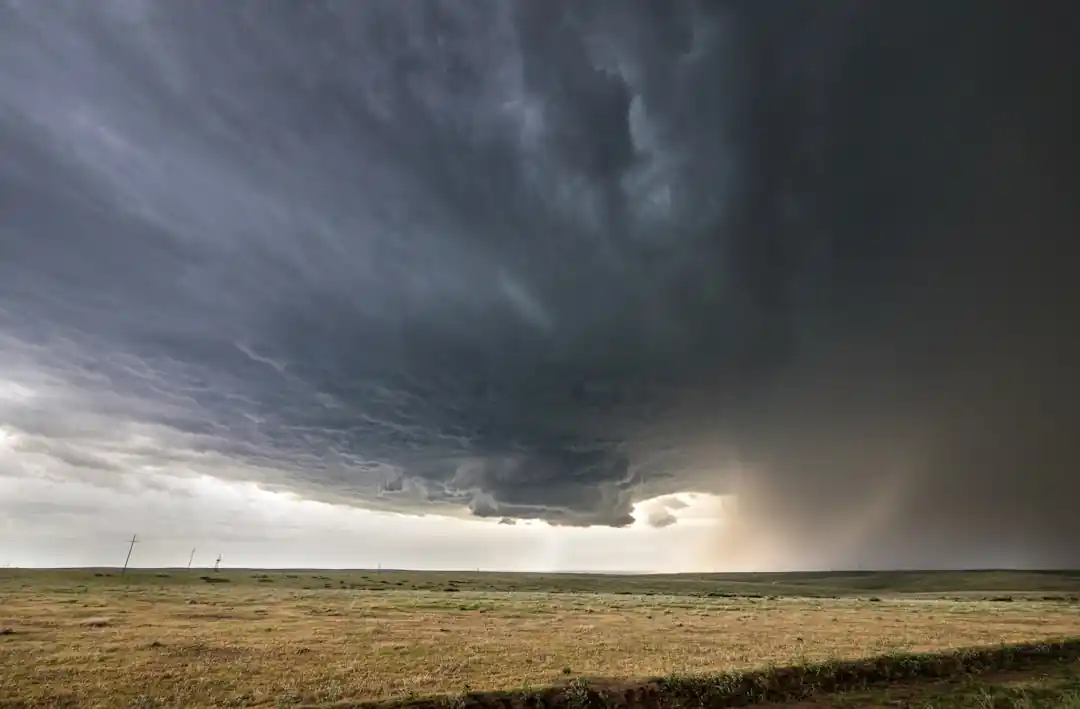
There’s a certain feeling that settles in the air just before a big storm. It’s a kind of electric hum, a palpable tension that you can almost taste. The sky, once a placid blue, begins to churn with shades of grey and deep, bruised purple. For most people, this is a signal to head indoors, to secure the windows and wait it out. But for a growing number of us, it’s a call to adventure. It’s the overture to one of nature’s most spectacular performances, and we want a front-row seat.
I used to think storm chasing was reserved for scientists in armored vehicles or reckless adrenaline junkies. The truth, I’ve discovered, is far more nuanced and accessible. It’s a hobby born from a deep sense of awe and a desire to understand the immense forces that shape our world. It’s about witnessing the lifecycle of a supercell, seeing the architecture of the clouds, and feeling the raw energy of the atmosphere. It’s a profound connection to the planet, a reminder of its wild, untamed beauty.
But let’s be clear: this isn’t a casual Sunday drive. Venturing into the path of severe weather is an undertaking that demands immense respect, thorough preparation, and a serious commitment to safety. The goal is never to put yourself in harm's way, but to find that perfect, safe vantage point to witness the spectacle unfold. If you’ve ever felt that pull, that deep-seated curiosity about the heart of a storm, then you’re in the right place. Let’s talk about how you can begin this incredible journey, not with recklessness, but with wonder and wisdom.
First, Before Anything Else: Education and Safety
I cannot say this loudly enough: safety is not a suggestion, it is the absolute, unshakeable foundation of this hobby. The storms you see on TV are not special effects; they are incredibly powerful and unpredictable natural phenomena. The first and most important step in your journey is not buying a camera or a new set of tires, but educating yourself. Your brain is your single most important piece of gear.
Start by taking a SKYWARN® spotter training class. These are free courses offered by the National Weather Service (NWS) all over the country, and they are an absolute goldmine of information. You’ll learn the basics of thunderstorm development, how to identify potentially severe storm structures, what to look for in a developing tornado, and how to report what you see. This knowledge is what separates a responsible chaser from someone who is simply, and dangerously, driving towards a cloud.
Beyond a formal class, immerse yourself in the science. Read books on meteorology. Watch documentaries and tutorials from experienced, respected chasers. Learn to read weather models and interpret radar data from reliable sources like the NWS or apps like RadarScope. Understand that a "watch" means conditions are favorable for severe weather, while a "warning" means it's happening or imminent. This isn't just trivia; it's critical information that will dictate your every move and could save your life.
Gearing Up: The Essentials for Your Mobile Outpost
Once you have a solid educational foundation, you can start thinking about the tools of the trade. Your vehicle is your mobile base of operations, your shield, and your escape route. You don’t need a tank, but you do need a reliable, well-maintained car with good tires and a full tank of gas. Many chasers prefer SUVs for their higher clearance and durability on unpaved rural roads, but a dependable sedan can work just fine if you’re mindful of its limits.
Inside that car, your most critical tool is information. While your phone is a good start, you cannot rely on a single cellular network, which can easily become congested or go down in a storm. Many serious chasers have multiple data plans from different carriers. A dedicated GPS is a must, but so are physical road atlases. Paper maps don't lose signal and can give you a much better sense of the overall road network, helping you plan multiple escape routes—something you must always have.
For communication, a NOAA Weather Radio is non-negotiable for receiving official alerts. Many chasers also use ham radio to communicate with other spotters and stay ahead of the storm's movements when cell service fails. And, of course, you'll want to capture the moment. A good DSLR or mirrorless camera with a versatile lens is ideal, but even a modern smartphone can take incredible photos and videos. Just be sure to bring extra battery packs and memory cards. There’s nothing more frustrating than running out of power just as the sky puts on its best show.
Your First Chase: Finding a Mentor and a Community
So you’ve done your homework and gathered your gear. Now what? Your first few forays should be approached with extreme caution. Honestly, the best way to start is by not going alone. Find an experienced chaser or a reputable storm chasing tour group to go with. The practical knowledge you’ll gain from a seasoned veteran is invaluable. They can provide real-time analysis, teach you about positioning, and show you how to navigate the often-chaotic environment of a chase.
If you can't find a mentor right away, start small. Practice "armchair chasing" from home by following a storm on radar and predicting its movements. Then, try chasing a weak, non-severe storm in your local area. This allows you to get a feel for positioning and data interpretation without the high-stakes pressure of a tornadic supercell. Pay attention to the etiquette of the road. Never block traffic, respect private property, and be mindful that you are often in an area where residents are facing a real threat.
The storm chasing community is vast and full of people who are passionate about weather. Online forums and social media groups can be great places to learn and connect with others, but always vet your sources. Follow chasers who prioritize science and safety over sensationalism. This hobby is a marathon, not a sprint. Building your skills and experience over time is the key to a long and rewarding journey.
There is nothing quite like watching a storm traverse the open plains. It’s a display of power and beauty that is both humbling and exhilarating. It’s a chance to disconnect from the noise of daily life and connect with something elemental and profound. By approaching this hobby with the respect and preparation it deserves, you open the door to a world of incredible adventure. The sky is waiting.
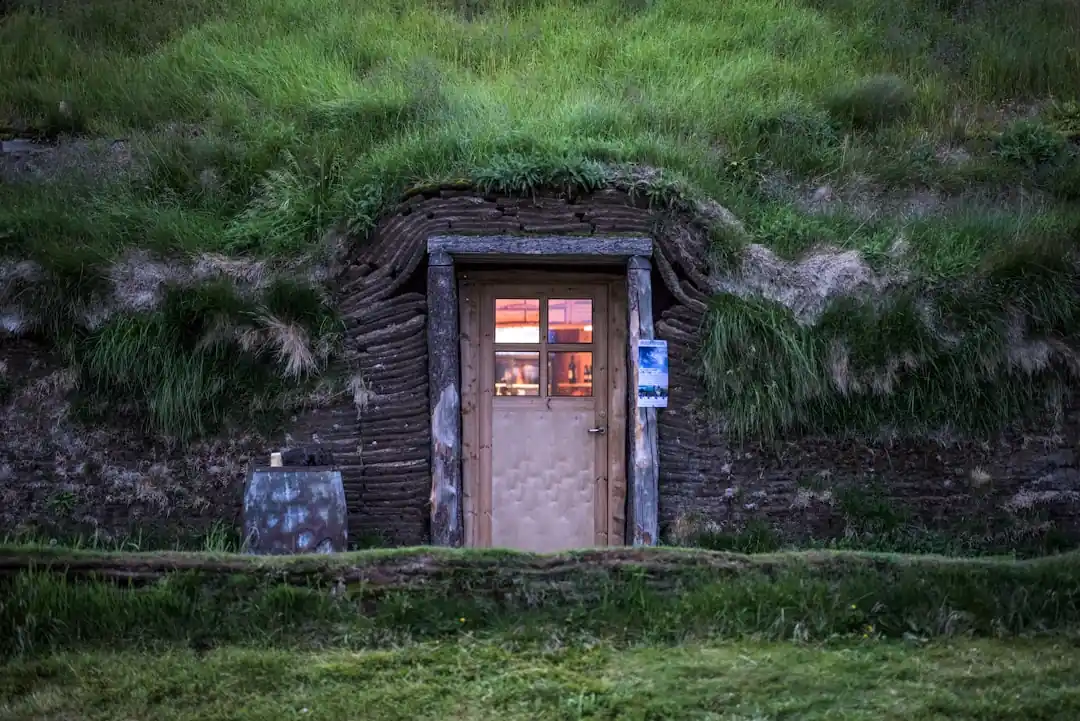
The Hard Truth About DIY Storm Shelters: What I Learned Before I Dug
Nourishing for Two: The Nutrients That Truly Matter During Pregnancy

Related Posts
 HOBBIES
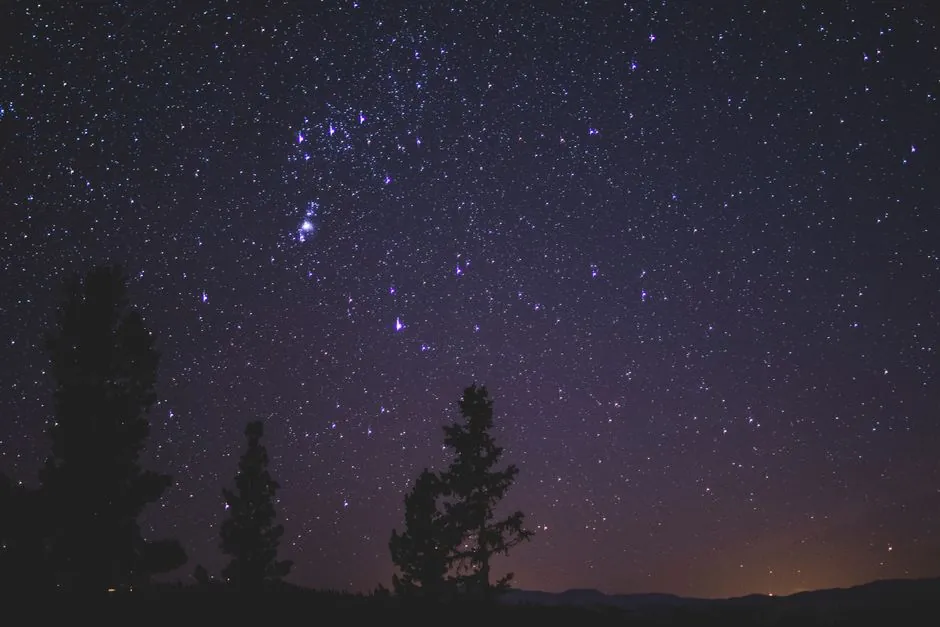
The Beginner's Guide to Reading the Night Sky: How to Spot Your First Constellations
A friendly, grounded guide to navigating the night sky, understanding stellar movements, and spotting iconic constellations without expensive gear.
 PETS
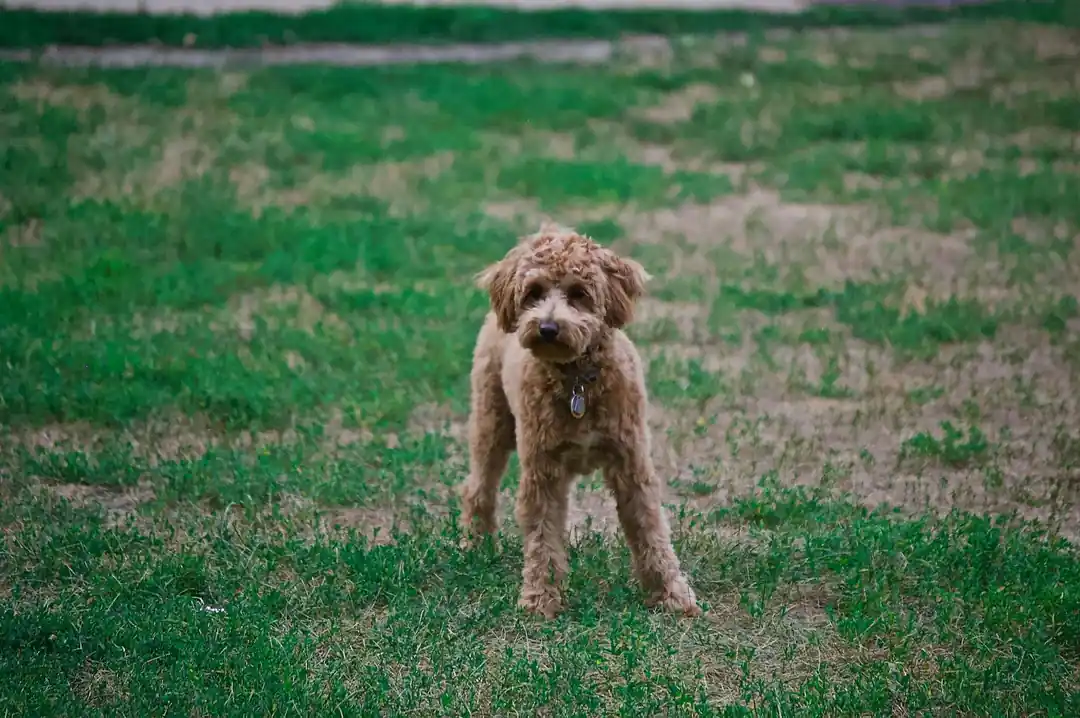
PETSSniffle-Free Snuggles: America's Most-Loved Hypoallergenic Dogs
Dreaming of a furry friend but dreading the sneezes? You're not alone. Let's dive into the wonderful world of popular hypoallergenic dog breeds in the US.

Popular Posts

Rethinking Non-Profit Promotion: Creative Strategies That Actually Drive Event Impact

Beyond Stark White: The Best Interior Paint Colors to Light Up Your New Space

How to Actually Master a New Language on Your Own (No Magic Gene Required)
