Thinking about a savings plan that truly lasts? Let's explore how gold and silver can be more than just shiny objects—they can be a core part of your financial future.
Let’s talk about the future. Not in a scary, abstract way, but in a way that feels secure and thoughtfully planned. When we think about long-term savings, our minds often jump to 401(k)s, stocks, and bonds. These are, without a doubt, the bedrock of modern financial planning. But what if I told you there’s a class of assets, as old as civilization itself, that might be the missing piece in your strategy? I’m talking about precious metals.
For years, I kind of dismissed the idea. It felt a bit old-fashioned, like something my grandfather would do, burying coffee cans in the backyard. But the more I read and the more I watch the economic landscape shift, the more I realize that incorporating assets like gold and silver isn't about nostalgia; it's about a sophisticated and timeless strategy for wealth preservation. It’s about building a financial foundation that isn’t just dependent on one type of asset, but is diversified enough to weather the inevitable storms.
Honestly, the journey into understanding precious metals has been eye-opening. It’s not about trying to get rich quick. It’s about playing the long game, protecting the purchasing power you’ve worked so hard to build. So, let's pull back the curtain and have a real conversation about how you can strategically and intelligently weave these enduring assets into your own long-term savings plan.
Why Even Consider Precious Metals?
Before we get into the "how," it's crucial to understand the "why." What makes a lump of shiny metal a worthy addition to a modern portfolio? It really comes down to a few core principles that have proven themselves time and time again, especially in the context of the US economy.
First and foremost, precious metals are widely seen as a powerful hedge against inflation. We all feel it—the price of gas, groceries, and just about everything else seems to be on a perpetual upward climb. This is inflation eroding the value of our dollars. While the cash in your savings account buys a little less each year, gold and silver have historically maintained their purchasing power over long stretches. I recently read a report that pointed out how, during periods of high inflation, gold often performs exceptionally well, acting as a stabilizing force when other assets might be struggling.
Then there's the critical role of diversification. The old adage "don't put all your eggs in one basket" is perhaps the most important rule in investing. Precious metals often have a low or inverse correlation to traditional financial assets like stocks and bonds. This means that when the stock market is down, it’s not uncommon for the price of gold to go up. This isn't a guarantee, of course, but this dynamic can provide a much-needed cushion, smoothing out your portfolio's overall returns and reducing volatility. It’s like having a financial shock absorber.
Finally, there's the "safe haven" appeal. During times of geopolitical uncertainty, economic crisis, or just general market fear, investors historically flock to gold. It's a universally recognized store of value that isn't tied to the policies of any single government or the solvency of a specific corporation. That intrinsic, tangible value provides a sense of security that paper assets sometimes can't. It’s less about the potential for explosive growth and more about the profound peace of mind that comes with holding an asset that has been trusted for millennia.
The How-To: Your Main Avenues for Investment
Okay, so you're intrigued. But how does one actually buy gold or silver? It’s not like you can add it to your cart on Amazon. There are a few primary methods, each with its own set of pros and cons, and the right one for you depends entirely on your goals and comfort level.
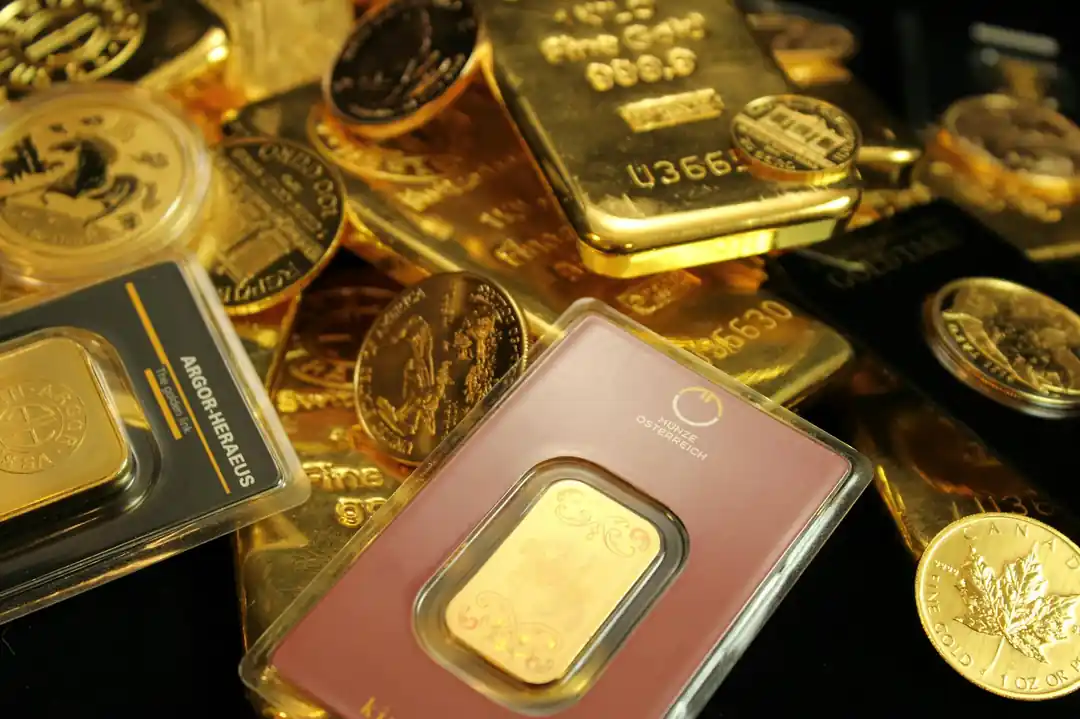
The most direct route is purchasing physical bullion. This means buying actual gold, silver, or platinum in the form of coins or bars. There's a powerful psychological comfort in this—you can see it, touch it, and store it yourself. You have direct ownership, with no third-party risk. You can buy from reputable online dealers or local coin shops. However, this path comes with responsibilities. You need to think about secure storage, whether that’s a high-quality home safe or a professional vault service, and you should definitely consider insurance. Also, be aware that you'll pay a small premium over the metal's "spot price" to cover manufacturing and dealer costs.
A more modern and incredibly popular option is through Precious Metal ETFs (Exchange-Traded Funds). These are funds that trade on the stock market just like any other stock, but they are designed to track the price of a specific metal. For example, a gold ETF holds large quantities of physical gold bars in secure vaults, and when you buy a share, you're buying a piece of that fund. The beauty here is convenience and liquidity. You can buy and sell instantly through any standard brokerage account with very low transaction costs. You don't have to worry about storage or insurance. The main trade-off? You don't actually own the metal itself; you own a "paper" claim to it.
For those looking at this through a retirement lens, a Precious Metals IRA is a compelling option. This is a self-directed Individual Retirement Account that allows you to hold IRS-approved physical gold, silver, platinum, and palladium within a tax-advantaged structure. This means your investments can grow tax-deferred or tax-free, just like a traditional or Roth IRA. This is a fantastic way to get the benefits of physical ownership combined with the tax advantages of a retirement account. The process involves working with a specialized custodian who will handle the purchase and store the metals in a secure, approved depository. It’s a bit more hands-on to set up, but it's a powerful tool for long-term savers.
Building Your Strategy: A Thoughtful Approach
Incorporating precious metals isn't an all-or-nothing decision. It's about strategic allocation. Most financial advisors recommend dedicating a modest portion of your portfolio—typically somewhere between 5% and 15%—to precious metals. This is enough to provide meaningful diversification and a hedge against uncertainty without over-exposing your portfolio to the price volatility that can sometimes affect commodities.
Think of it as a long-term commitment. The goal isn't to time the market but to build a position over time. A great way to do this is through dollar-cost averaging—investing a fixed amount of money at regular intervals. Whether you're buying a small amount of physical silver each month or automatically investing in a gold ETF, this disciplined approach helps smooth out the effects of price fluctuations.
Before you dive in, do your homework. Research reputable dealers for physical metals, compare the expense ratios on different ETFs, and if you're considering an IRA, vet the custodians carefully. This is your financial future, and making informed, deliberate choices is the most powerful tool you have. Adding precious metals to your savings plan is a step toward building a truly resilient and diversified portfolio that’s designed not just to grow, but to endure.
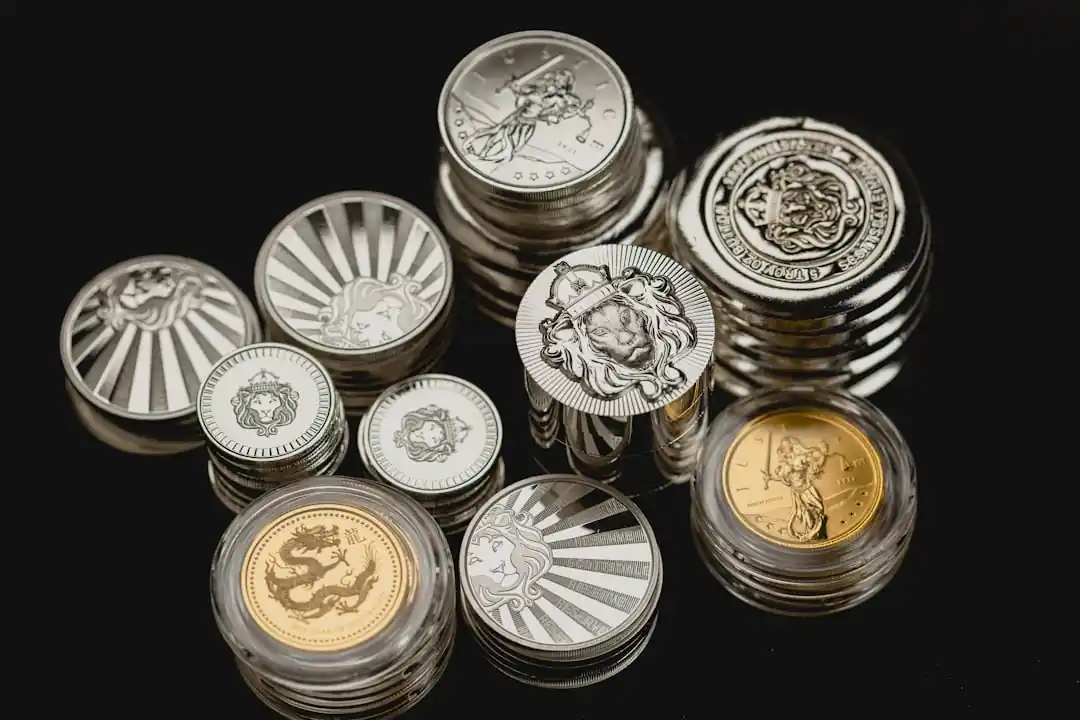
Is Silver the Unsung Hero of Your Retirement Portfolio?
Physical Silver vs. Silver ETFs: Which Is the Right Investment for You?
Related Posts
 BUSINESS
Rethinking Non-Profit Promotion: Creative Strategies That Actually Drive Event Impact
Discover modern, research-backed strategies for promoting non-profit fundraisers, from experiential marketing to hyper-local micro-influencers and cross-sector partnerships.
 BUSINESS
Is the TV Ad Dead? A Deep Dive into Cost and Effectiveness in 2024
In an age of streaming and scrolling, is a TV commercial still a smart bet for brands? We're breaking down the real costs and surprising effectiveness of television advertising today.

Popular Posts
Rethinking Non-Profit Promotion: Creative Strategies That Actually Drive Event Impact

Beyond Stark White: The Best Interior Paint Colors to Light Up Your New Space

How to Actually Master a New Language on Your Own (No Magic Gene Required)
