Ditch the expensive taxis. Here’s how to navigate the subways and buses of Madrid, Barcelona, and Seville like a local.
There’s a moment on every trip, right after the initial thrill of arrival, where a tiny, practical question pops into your head: How am I going to get around? For many, the thought of navigating a foreign public transit system can be a little daunting. I get it. I’ve stood in front of a sprawling subway map in a new city and felt like I was trying to decode an ancient script. But I’m here to tell you that when it comes to Spain’s major cities, diving into their public transportation is not just the most affordable way to travel—it’s an essential part of the experience.
Honestly, some of my most vivid travel memories are from seemingly mundane moments on a city bus or metro. It’s where you see the real city wake up, where you hear the cadence of the local language, and where you feel, even for a moment, less like a tourist and more like a part of the urban rhythm. So, let’s push past that initial hesitation. Forget the constant taxi fares and the stress of city driving. We’re going to break down how to conquer the public transit systems of Madrid, Barcelona, and Seville with confidence.
Madrid: The Royal Treatment on Rails
Madrid’s public transport network is, in a word, superb. It’s a sprawling, interconnected system of metro, buses, and commuter trains that is astonishingly clean, efficient, and easy to figure out. The star of the show is undoubtedly the Madrid Metro, one of the most extensive and user-friendly subway systems in Europe. It will be your best friend for zipping between the Prado Museum, the Royal Palace, and that tapas bar you read about in a different neighborhood.
For most travelers, the two main options to consider are the Tourist Travel Pass or a simple multi-trip ticket. The Tourist Pass offers unlimited travel for a set number of days (from one to seven) across all public transport. It’s a fantastic, hassle-free option if you plan on being very active. The alternative, which I often prefer, is to buy a Tarjeta Multi, a rechargeable card you can get from any station kiosk. You can load this with a 10-trip ticket (known as a Metrobús ticket), which is significantly cheaper than buying single fares. The best part? You can share it. One card can be tapped for multiple people, making it perfect for couples or families.
Don’t overlook the city’s fleet of blue EMT buses. While the metro is faster for long distances, buses offer a scenic route and can often get you closer to your final destination. Apps like Google Maps or Citymapper have real-time bus information integrated, so you can see exactly when the next one is arriving. For getting to and from Barajas Airport, the 24/7 Airport Express bus is a lifesaver—it’s bright yellow, comfortable, and a fixed, reasonable price.
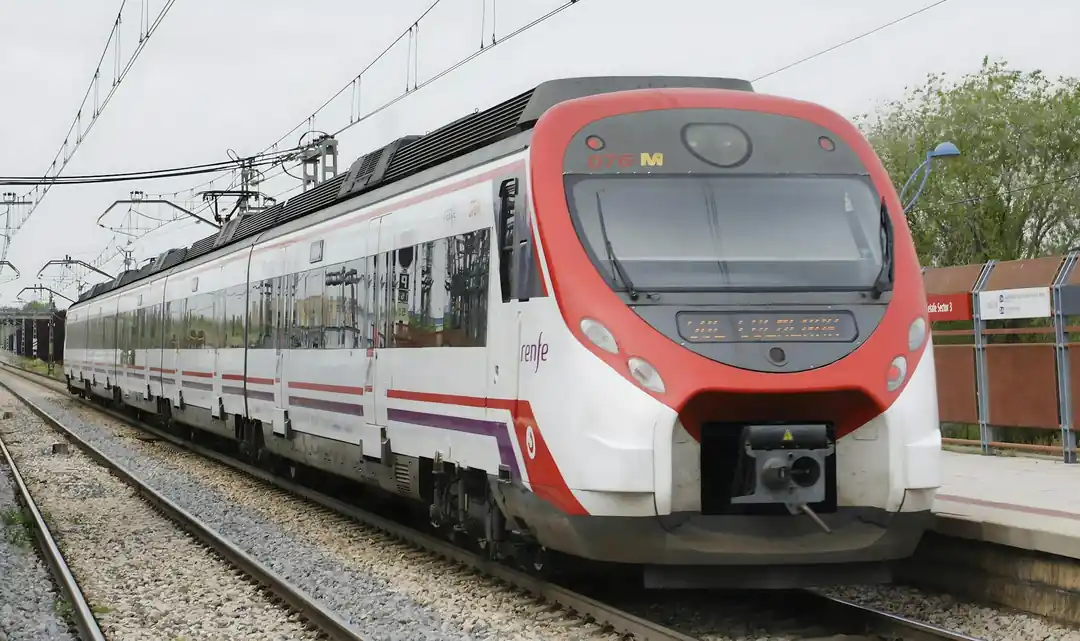
Barcelona: Catalan Connections from Sea to Summit
Barcelona’s system is just as sleek and integrated as Madrid’s, combining the metro, buses, trams, and even funiculars into one seamless network managed primarily by TMB. The city’s layout is a bit more spread out, stretching from the Mediterranean beaches up to the hills of Tibidabo, and the public transit system is your key to seeing it all without exhausting yourself.
The most popular choice for visitors here is the Hola Barcelona Travel Card. Similar to Madrid’s tourist pass, it provides unlimited journeys for a set period (from 48 to 120 hours). A major advantage is that it includes the metro ride to and from El Prat Airport, which otherwise requires a special, more expensive ticket. If you’re staying for a while or plan on using transit less frequently, the T-casual card (10 single journeys for one person) or the T-familiar (8 journeys that can be shared) are excellent, budget-friendly alternatives.
One of the unique joys of Barcelona's transit is how it connects you to incredible viewpoints. The system includes funiculars that climb the hills of Montjuïc and Tibidabo. Taking the Funicular de Montjuïc (covered by standard transit passes) and then connecting to the cable car is an unforgettable way to get sweeping views of the city and the sea. It turns a simple journey into a breathtaking experience.
Seville: Andalusian Charm at a Slower Pace
Seville, the heart of Andalusia, is a city that invites you to walk. Its historic center is a beautiful labyrinth of narrow, winding streets where getting lost is part of the fun. However, for covering longer distances—say, from your hotel to the Plaza de España or across the river to the vibrant Triana neighborhood—the bus and tram system is incredibly useful and very affordable.
The bus network, run by TUSSAM, is modern and comprehensive. You can buy a single ticket directly from the driver, but it’s cheaper to get a rechargeable travel card. For tourists, the Tarjeta Turista is the way to go. It offers unlimited travel for one or three days for a very low price, making it an absolute bargain. You can buy these at major bus stations or designated kiosks.
Seville also has a sleek, modern tram line called the MetroCentro that glides through the heart of the city. It’s a short line, but it conveniently connects some of the most important sights, including the Cathedral. It’s a comfortable and scenic way to rest your feet while still feeling like you’re in the middle of the action. It’s these small, smart transit solutions that make exploring Seville’s expansive beauty so manageable.
Ultimately, using public transportation in Spain is about more than just logistics. It’s an invitation to engage with the city on a deeper level. It’s a small step outside the tourist bubble that pays off with a richer, more authentic experience. So go ahead, buy the ticket, and take the ride. You might be surprised at where you end up.

The Ultimate Guide to Seeing the Northern Lights in Norway
The Ultimate Guide to Renting a Car in Spain

Related Posts
 TRANSPORT
Beyond the Highway: Finding Canada's Soul on a Western Rail Adventure
Forget road trips. I'm talking about rediscovering the romance of travel on Via Rail's most scenic routes through the heart of the Canadian West. It’s an experience that changes you.
 TRAVEL TIPS
The Unwritten Rules of the North: What to Know Before Camping in Canada
Heading to the Great White North for a camping trip? It's an amazing idea. But from campfire etiquette to wildlife wisdom, here’s what you need to know before you go.

Popular Posts

Rethinking Non-Profit Promotion: Creative Strategies That Actually Drive Event Impact

Beyond Stark White: The Best Interior Paint Colors to Light Up Your New Space

How to Actually Master a New Language on Your Own (No Magic Gene Required)
