A Beginner's Guide to Shopping at a French Farmers' Market
Unlock the secrets to navigating a bustling French marché like a local. From essential etiquette to must-buy items, here's how to make your market trip a delicious success.
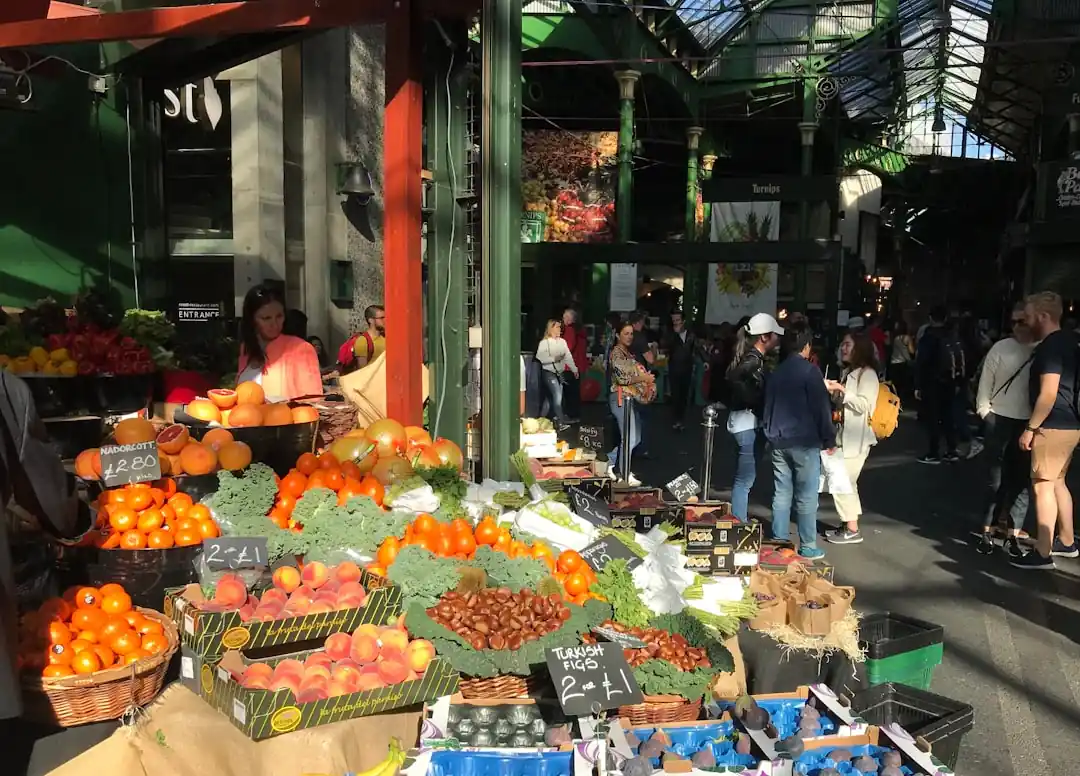
There’s a moment when you first step into a real French farmers' market—a marché—that feels like you’ve walked straight into a movie. The air hums with the lively chatter of vendors and locals, a melodic sound that’s punctuated by the rustle of paper bags and the clinking of coins. The scent is what hits you next: a heady mix of ripe, sun-warmed tomatoes, fragrant melons, earthy mushrooms, and the intoxicating aroma of roasting chicken from a nearby rotisserie. It’s a world away from the sterile, quiet aisles of a supermarket.
For many of us visiting from the US, our farmers' market experiences are often weekend novelties. In France, however, the marché is a deep-rooted, essential part of daily life. It’s where grandmothers and top chefs alike go to source their ingredients, where the rhythm of the seasons dictates the menu for the week. I’ll be honest, my first time was a little intimidating. Everyone seemed to know the unspoken rules, an elegant dance of pointing, purchasing, and pleasantries. I was just the quiet observer, clutching my tote bag and trying not to get in the way.
But over time, I learned to navigate this beautiful chaos. I discovered that the French market isn’t just about buying food; it’s a social ritual, a connection to the community, and a celebration of the land. It’s an experience that engages all your senses. And with a few insider tips, you can move from feeling like a tourist to feeling like a part of the beautiful tapestry of local life, even if just for a morning.
The Unspoken Rules: Market Etiquette 101
Before you even think about what to buy, it’s crucial to understand the subtle etiquette that governs the French market. These aren't written down on any sign, but they are the key to a smooth and pleasant experience. The most important rule, the one you absolutely cannot forget, is to always greet the vendor with a cheerful "Bonjour, Monsieur" or "Bonjour, Madame" before you start shopping. It’s a simple sign of respect that opens the door to a friendly interaction. Launching straight into "How much is this?" is considered quite rude.
One of the biggest differences from most American markets is the hands-off policy. You’ll rarely see shoppers picking up, squeezing, or sniffing the produce themselves. The vendor is the expert and the guardian of their carefully arranged stall. They have spent hours setting up a beautiful display, and they know which items are at their peak. Instead of grabbing that perfect-looking peach, you simply point and tell them what you’d like. You can say, "Je voudrais quatre pêches, s'il vous plaît" (I would like four peaches, please). They will select the best ones for you. Trust them; their pride is in the quality of what they sell.
Patience is another virtue at the marché. This is not a place for rushing. Vendors will often take their time, chatting with regular customers about their families or offering cooking advice. See this not as a delay, but as part of the cultural experience. Stand back, observe, and wait your turn. When it comes to paying, having cash, especially small bills and coins, is essential. While some larger stalls might have a card machine, many smaller producers operate solely on cash. Fumbling to pay for a two-euro bunch of radishes with a 50-euro note is a classic tourist move you want to avoid.
What to Bring and What to Buy
To shop like a local, you need to come prepared. First and foremost, bring your own bags. A traditional wicker basket (panier) is not only charmingly authentic but also practical, protecting delicate items like berries and soft cheeses. At the very least, a few sturdy tote bags are a must. French markets are ahead of the curve on sustainability; you won't find flimsy plastic bags readily available. A small, insulated bag can also be a game-changer if you plan on buying cheese, meat, or other perishable items.
So, what should you fill your basket with? The best strategy is to let the market itself be your guide. Do a full lap before you buy anything. See what’s abundant, what looks freshest, and what the locals are lining up for. This is how you discover the true seasonal specialties. In the spring, look for tender asparagus and sweet strawberries. Summer is a paradise of heirloom tomatoes, fragrant melons, and juicy apricots. Autumn brings a bounty of wild mushrooms (champignons), figs, and countless varieties of squash.
Beyond the produce, the market is a treasure trove of artisanal goods. Don’t miss the cheese vendor (fromager). You can often ask for a small taste (dégustation) before you buy. Be adventurous and try a local goat cheese or a creamy, pungent blue. The same goes for the charcuterie stall, with its incredible array of cured sausages (saucissons), pâtés, and hams. And of course, no market trip is complete without picking up a fresh baguette, some olives, and a jar of local honey or jam. These are the building blocks of a perfect French picnic.
A Few Key Phrases to Help You Along
You don’t need to be fluent in French to have a successful market trip, but knowing a few key phrases will make a world of difference. Your efforts, no matter how clumsy, will be appreciated and will almost always be met with a smile.
Start with the basics:
- Bonjour, Monsieur/Madame: Hello, Sir/Ma'am.
- S'il vous plaît: Please.
- Merci: Thank you.
- Au revoir: Goodbye.
When you're ready to buy:
- Je voudrais...: I would like... (e.g., "Je voudrais un kilo de tomates.")
- C'est combien?: How much is it?
- Une tranche de...: A slice of... (useful for pâté or cheese).
- C'est tout, merci: That's all, thank you.
Don't be afraid to point and use gestures. A smile is a universal language. The vendors deal with visitors from all over the world and are usually quite adept at understanding what you need. The simple act of trying to speak their language shows respect and a willingness to engage, which is the true spirit of the market.
Shopping at a French farmers' market is so much more than a chore; it’s a rich, rewarding cultural activity. It’s a chance to slow down, to connect with the people who grow your food, and to taste the incredible bounty of a region. So go ahead, grab your basket, and dive in. Let the colors, scents, and flavors guide you. You’ll come away with not only the ingredients for a delicious meal but also a memory you’ll savor for years to come.

Skip the Car: Why the Train is Your Ticket to the Real South of France
A Wanderer's Guide to the Soul of Provence: Exploring its Most Enchanting Small Towns
Related Posts
 TRANSPORT
Beyond the Highway: Finding Canada's Soul on a Western Rail Adventure
Forget road trips. I'm talking about rediscovering the romance of travel on Via Rail's most scenic routes through the heart of the Canadian West. It’s an experience that changes you.
 TRAVEL TIPS
The Unwritten Rules of the North: What to Know Before Camping in Canada
Heading to the Great White North for a camping trip? It's an amazing idea. But from campfire etiquette to wildlife wisdom, here’s what you need to know before you go.
Popular Posts

Rethinking Non-Profit Promotion: Creative Strategies That Actually Drive Event Impact

Beyond Stark White: The Best Interior Paint Colors to Light Up Your New Space

How to Actually Master a New Language on Your Own (No Magic Gene Required)
