That Chair Doesn’t Have to Be Scary: How to Overcome Your Dental Anxiety
If the thought of a dental check-up makes your heart pound, you're not alone. Let's talk about where that fear comes from and, more importantly, how to conquer it.
Let’s be honest for a second. Does the thought of leaning back in a dentist’s chair send a little shiver down your spine? Maybe your heart does a little tap dance, or you suddenly remember a dozen other things you’d rather be doing. If any of that sounds familiar, I want you to know you’re in a massive, and I mean massive, club. Dental anxiety is incredibly common, yet it’s something we often feel we have to whisper about, as if it’s a silly, irrational fear.
The truth is, this anxiety is anything but silly. It’s a powerful, deeply-rooted feeling that prevents millions of people in the U.S. from getting the care they need. Studies have shown that a significant percentage of adults experience some level of dental fear, ranging from mild nervousness to a full-blown phobia that keeps them out of the dentist's office altogether. This avoidance creates a tough cycle: minor issues that could have been simple fixes are left to become more complex problems, which in turn only fuels the fear for the next time.
But what if we could break that cycle? What if your next dental visit could feel… manageable? Or dare I say, even calm? It’s not a fantasy. It’s about understanding where the anxiety comes from and arming yourself with a personal toolkit of strategies that put you back in control. It’s time to stop letting fear dictate your health.
Finding the Root of the Fear
So, where does this widespread apprehension even come from? For many of us, the seeds were planted in childhood. Maybe it was a less-than-gentle dentist, a procedure that felt overwhelming, or simply picking up on the nervous energy of a parent. Our brains are wired to remember negative experiences to protect us, and a painful or scary dental visit from our youth can leave a long-lasting emotional echo that our adult selves still react to.
Then there’s the sensory experience of a dental office itself. The uniquely sterile smell, the bright, focused light, and the array of unfamiliar sounds—from the high-pitched whir of a polisher to the scrape of a metal tool—can be incredibly jarring. For many, these aren't just background noises; they are direct triggers that signal "threat" to the nervous system, putting you on high alert before the dentist has even said hello.
Finally, there's the profound sense of vulnerability. Lying back in a chair, with someone’s hands and tools in your mouth, can create a feeling of lost control. You can’t see what’s happening, you can’t easily speak, and you’re in a passive position. This loss of autonomy is a huge trigger for anxiety in any context, and it’s front and center during a dental exam. Acknowledging these roots isn’t about dwelling on them; it’s about validating your feelings and recognizing that your reaction is a normal human response to a uniquely challenging situation.
Your Pre-Appointment Game Plan
The journey to a calmer dental experience begins long before you’re in the chair. Taking proactive steps can fundamentally change the dynamic from one of passive dread to active management. It all starts with choosing the right partner for your care. Don't just pick the closest or cheapest dentist; look for a practice that explicitly mentions handling anxious patients. Read reviews, and pay attention to how other patients describe the dentist's "chair-side manner." A calm, empathetic, and communicative dentist is worth their weight in gold.
Once you’ve found a potential office, your next step is to use your voice. When you book your appointment, be upfront about your anxiety. You can say something as simple as, "I'd like to book a cleaning, and I want to let you know that I have significant anxiety about dental visits. Is this something the team can help me with?" This one sentence does two crucial things: it alerts the staff so they can be prepared to offer extra support, and it immediately shifts you from being a victim of your fear to an advocate for your own comfort.
Finally, be strategic with your scheduling. Don't cram your appointment into a stressful day, right between a high-stakes work meeting and a family obligation. Choose a day and time when you feel most relaxed. For some, that’s a low-key morning; for others, it might be the end of the day when there’s nothing else to rush off to. Bringing a trusted friend or family member with you, even if they just wait in the car or lobby, can also provide a surprising amount of emotional support.
Mastering the Moment: Strategies for the Chair
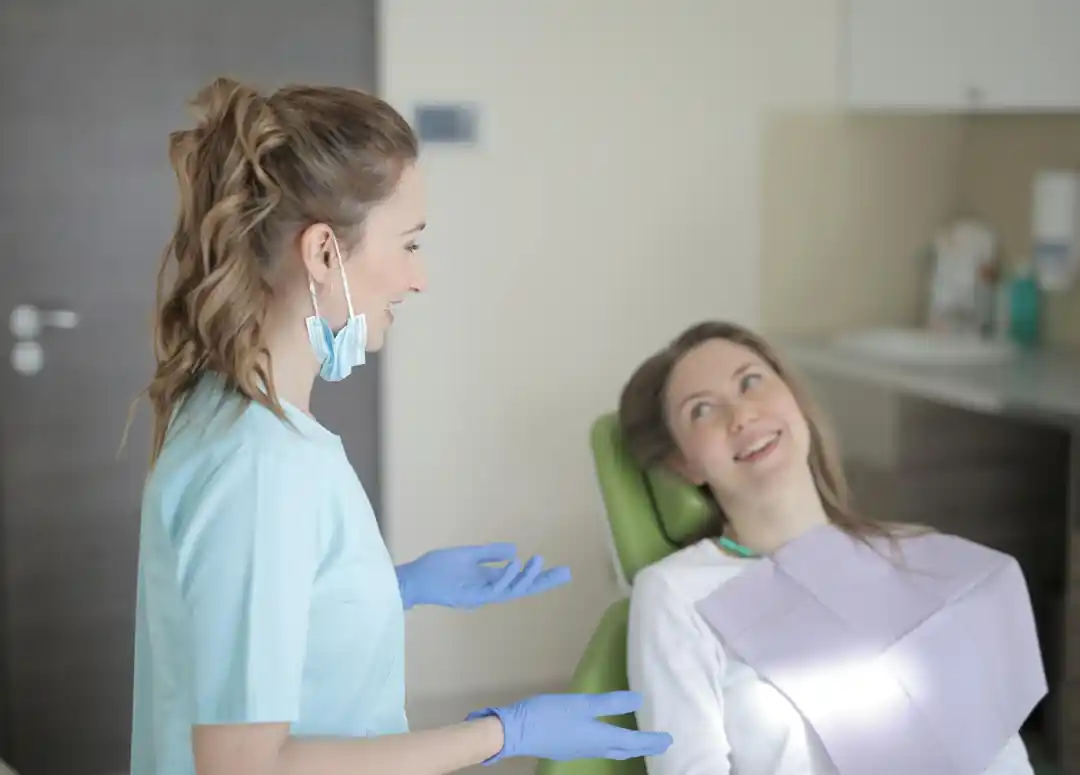
Okay, you’ve made it to the appointment. This is where your in-the-moment strategies become your best friends. The first, and perhaps most important, is to establish a stop signal with your dentist. Before the procedure begins, agree on a simple hand gesture (like raising your left hand) that means "I need a break." This isn't just for emergencies; you can use it if you need to catch your breath, ask a question, or just need a 30-second pause. Knowing you have this power to stop at any time can dramatically reduce feelings of helplessness.
Distraction is another incredibly powerful tool. Come prepared with your own "distraction kit." Noise-canceling headphones are a game-changer, allowing you to block out triggering sounds and immerse yourself in your favorite music, a captivating podcast, or a guided meditation app. Some people find focusing on a physical sensation helpful, like squeezing a stress ball or fiddling with a small object in their hands. Your mind can’t be in two places at once, so giving it a pleasant place to go can make the time fly by.
Don’t forget to breathe. When we’re anxious, our breathing becomes shallow and rapid. Consciously shifting to slow, deep belly breaths sends a powerful signal to your nervous system that you are safe. Inhale slowly through your nose for a count of four, hold for a moment, and then exhale slowly through your mouth for a count of six. Repeating this simple pattern can lower your heart rate and release physical tension. And if you need more support, never hesitate to ask about options like nitrous oxide ("laughing gas") or other light sedation methods that can take the edge off and make the experience significantly more comfortable.
Overcoming dental anxiety is a process of taking small, brave steps. It’s about reclaiming your power and recognizing that your comfort is a valid and important part of your healthcare. Each visit you face, armed with these strategies, is a victory. And with every victory, that old fear will have a little less power, and your path to a healthy, confident smile will become that much clearer.

Finding Your Zen in the Dental Chair: Can Mindfulness Tame Dental Anxiety?
The Silent Sip: Which Drinks Cause the Most Damage to Tooth Enamel?
Related Posts
 NUTRITION
The Simple Pre-Workout Fueling Strategy That Saved My Long Runs
Discover how timing your carbohydrates and embracing simple foods can eliminate mid-workout fatigue and unlock your true endurance potential.
 FITNESS
No Gym, No Problem: The Ultimate Guide to Bodyweight Fitness at Home
Forget expensive memberships. Discover how to build serious strength and transform your body using the most powerful tool you already own: yourself.
Popular Posts

Rethinking Non-Profit Promotion: Creative Strategies That Actually Drive Event Impact

Beyond Stark White: The Best Interior Paint Colors to Light Up Your New Space

How to Actually Master a New Language on Your Own (No Magic Gene Required)