It feels like there are a million budgeting apps out there. So how do you pick one you'll actually stick with? Let's break down what really matters.
Let’s be honest for a second. How many times have you looked at your bank account at the end of the month and wondered, with a genuine sense of bewilderment, where all your money went? I’ve been there more times than I can count. For years, my financial “system” was a chaotic mix of crumpled receipts, wishful thinking, and a constant, low-grade anxiety that I was forgetting some important bill. It’s a uniquely modern stress, and it’s exhausting.
The good news is that we’re living in a golden age of tools designed to fight that exact feeling. Personal finance apps have moved far beyond simple expense trackers. They are now sophisticated, AI-powered platforms that can give you a bird's-eye view of your entire financial life. The market for these apps is growing at an incredible pace, which tells you one thing: people are tired of feeling powerless over their finances. They’re seeking clarity and control, and the right app can absolutely provide it.
But that explosion of options creates its own problem. Choice paralysis is real. When you’re faced with dozens of apps, all promising to solve your money woes, how do you pick the right one? It’s not about finding the "perfect" app, because that doesn't exist. It’s about finding the perfect app for you—one that clicks with your personality, aligns with your goals, and, most importantly, that you will actually use consistently. So, let's cut through the noise and talk about the core things you need to look for.
First Things First: Security and Trust
Before we even get into the fancy features, we have to talk about the absolute, most important factor: security. You are about to connect your most sensitive financial accounts to this app—your bank accounts, your credit cards, your investment portfolios. This is not the place to take chances. Any app you seriously consider must have bank-grade security. This isn't just marketing fluff; it's a critical feature.
Look for explicit mentions of 256-bit AES encryption, which is the same level of security used by major banks around the world. Another non-negotiable is multi-factor authentication (MFA). This means that even if someone gets your password, they can't access your account without a second form of verification, like a code sent to your phone. In today's world, MFA is a fundamental layer of protection.
Beyond the technical specs, take a moment to understand the app's business model. If an app is free, how is it making money? While some free apps are excellent, others might be selling your aggregated (and anonymized) spending data to third parties. Reputable companies are transparent about their privacy policies. Read them. It might be boring, but it’s crucial to know how your data is being handled. A paid app often provides peace of mind, as its business model is straightforward: you are the customer, not the product.
The Core Feature Set: What Really Moves the Needle
Once you're confident an app is secure, you can start looking at the fun stuff. But even here, it's easy to get distracted by bells and whistles you'll never use. Focus on the core functionality that delivers the most value. The single most important feature, in my opinion, is seamless and reliable bank syncing. If an app can't connect to all of your accounts, or if the connection is constantly breaking, it's useless. The whole point is to automate the process so you don't have to manually enter every single transaction.
Next, consider the budgeting methodology. Do you want to follow the "zero-based budgeting" system, where every single dollar is assigned a job? Apps like YNAB (You Need A Budget) are built around this philosophy and can be transformative, though they require a hands-on approach. Or would you prefer a more passive approach? Some apps simply track your spending, categorize it, and show you where your money went. Others, like PocketGuard, focus on telling you how much "safe to spend" money you have left after bills and savings are accounted for.
Finally, look at the reporting and goal-setting features. A good app won't just show you a list of transactions; it will present your data in a way that's easy to understand. Think beautiful graphs that show your spending trends over time, or a dashboard that tracks your net worth. The ability to set and track specific financial goals—like saving for a down payment or paying off a credit card—is also incredibly motivating. Seeing your progress visually can be the push you need to stay on track.
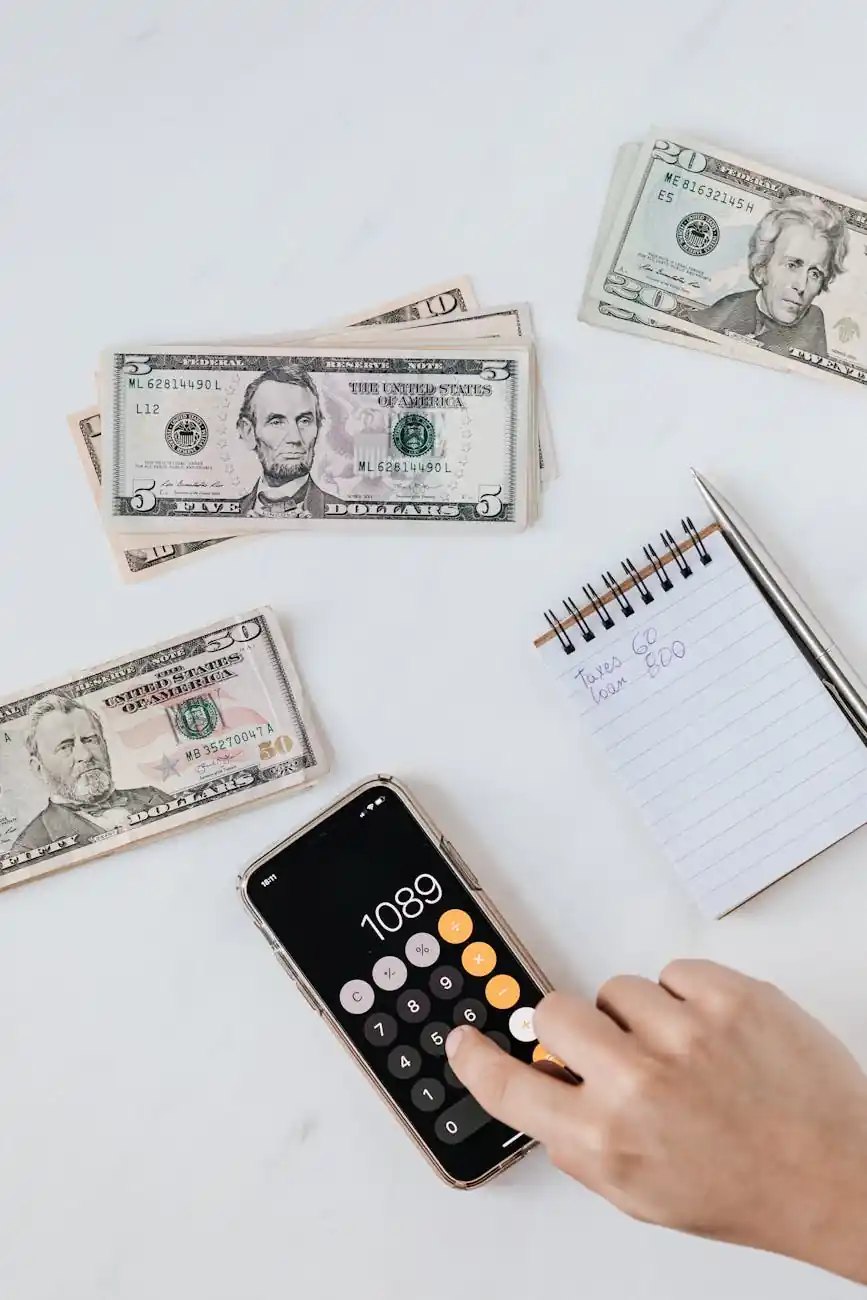
Finding Your Financial Personality Match
This is the part of the process that often gets overlooked. An app can have all the best features in the world, but if it doesn't match your personality, you'll dread opening it. Are you a data nerd who wants to customize every category and run detailed reports? An app like Monarch Money might be a great fit, as it offers incredible depth and flexibility. It’s designed for users who want to see everything, from their investment performance to their monthly cash flow, all in one place.
Or are you someone who gets easily overwhelmed and just wants a simple, clear picture of your finances? An app with a clean, minimalist interface might be better. Copilot Money, for example, is known for its beautiful design and smart, automated insights that don't require a lot of tinkering. It uses AI to learn your habits and provide gentle nudges, which can feel more like a helpful guide than a strict taskmaster.
Don't underestimate the importance of user experience. The app should feel intuitive and, dare I say, enjoyable to use. If you find the interface clunky or confusing, you're creating a barrier to building a consistent habit. Most paid apps offer free trials. Use them. Spend a week or two with a couple of different apps and see which one feels the most natural. The "best" app is the one that makes you feel empowered, not discouraged.
The Final Decision: It's a Journey, Not a Destination
Choosing a personal finance app is a big step towards taking control of your financial life. It’s about trading anxiety for awareness and replacing guesswork with a concrete plan. Don't get so caught up in finding the one perfect solution that you end up doing nothing. The reality is, any of the top-tier apps can work wonders if you commit to using them.
Start by ensuring your data will be secure. Then, focus on the core features that will automate the hard work and provide clear insights. Finally, pick the one that feels good to use—the one that makes you feel like you have a powerful ally in your corner.
Your financial situation will change over time, and your needs might evolve. That’s okay. The app you choose today doesn't have to be the app you use forever. The important thing is to start. Start tracking, start planning, and start building the financial future you deserve. The peace of mind that comes from knowing exactly where you stand is worth every bit of the effort.

Robo-Advisors: Should You Let an Algorithm Handle Your Wealth?
The Future of Money is Already Here: 4 Fintech Trends You Can't Ignore
Related Posts
 BUSINESS
Rethinking Non-Profit Promotion: Creative Strategies That Actually Drive Event Impact
Discover modern, research-backed strategies for promoting non-profit fundraisers, from experiential marketing to hyper-local micro-influencers and cross-sector partnerships.
 BUSINESS
Is the TV Ad Dead? A Deep Dive into Cost and Effectiveness in 2024
In an age of streaming and scrolling, is a TV commercial still a smart bet for brands? We're breaking down the real costs and surprising effectiveness of television advertising today.

Popular Posts
Rethinking Non-Profit Promotion: Creative Strategies That Actually Drive Event Impact

Beyond Stark White: The Best Interior Paint Colors to Light Up Your New Space

How to Actually Master a New Language on Your Own (No Magic Gene Required)