Drowning in spreadsheets? It might be time for a CRM. Let's walk through how to pick the right customer relationship management software without the headache.
If you're running a small business, you know the feeling. One minute, you're celebrating your first few customers, managing their details in a trusty spreadsheet. The next, you're juggling dozens, then hundreds, of interactions across email, social media, and phone calls. Suddenly, that simple spreadsheet feels less like a tool and more like a tangled web. Important follow-ups get missed, customer history becomes a guessing game, and you get this nagging feeling that opportunities are slipping through the cracks. I've been there, and honestly, it's a stressful place to be.
This is usually the point where someone wisely mentions "CRM." Customer Relationship Management. It sounds corporate, maybe even a little intimidating, but the core idea is beautifully simple: it's a system to help you manage all the ways you interact with your customers. Think of it as a centralized brain for your business's relationships. It’s not just a digital address book; it’s a dynamic, living record of your entire customer journey, designed to make your life easier and your business stronger.
Making the leap to a CRM can feel like a monumental decision, especially when you're trying to be careful with every dollar and every hour. The market is flooded with options, all shouting about their features and promising the world. But here’s the secret: the "best" CRM isn't the one with the most features. It's the one that fits your business, your team, and your workflow right now, while also giving you room to grow. Let's cut through the noise and figure out how to find that perfect fit.
What's a Must-Have vs. a Nice-to-Have?
Before you get dazzled by complex features, it's crucial to nail down the absolute essentials. For most small businesses, the goal isn't to launch a multi-layered enterprise-level marketing machine overnight. The goal is to get organized, save time, and stop letting potential sales fall by the wayside. Your initial focus should be on a few key pillars that provide the biggest immediate impact.
First and foremost is contact and lead management. This is the bedrock of any CRM. You need a system that can effortlessly capture leads from your website, email, or social media and create a clean, unified profile for each person. This profile should be a single source of truth, housing not just their contact info, but a complete history of every interaction they've had with your business. This feature alone can transform your customer service, as anyone on your team can get a complete picture in seconds.
Next, look for a clear and intuitive sales pipeline or funnel visualization. A spreadsheet can't easily show you where every customer is in their journey. A good CRM will give you a visual dashboard, often with drag-and-drop stages (like "New Lead," "Contacted," "Proposal Sent," "Closed-Won"). This visual approach is a game-changer. It provides instant clarity on your sales process, helps you forecast revenue more accurately, and immediately highlights where deals are getting stuck, so you know exactly where to focus your energy.
Finally, don't overlook basic automation and integration capabilities. As a small business owner, your time is your most valuable asset. A CRM that can automate repetitive tasks—like sending a welcome email to a new lead, scheduling a follow-up reminder for yourself, or assigning a task to a team member—is worth its weight in gold. Likewise, ensure it integrates with the tools you already use every day, like your email client (Gmail, Outlook), calendar, and maybe an email marketing service like Mailchimp. Without these integrations, you'll just be creating more manual data-entry work for yourself.

The Big Questions to Ask Before You Commit
Once you have a shortlist of CRMs that seem to cover the basics, it's time to dig a little deeper. The answers to these questions will often separate a good-enough option from the one that will truly become an indispensable part of your business. This is where you move from features to feel and long-term viability.
The first question is simple: "Is this actually easy to use?" Do not underestimate the importance of user experience. A system can have all the features in the world, but if it's clunky, confusing, or requires a week of training to understand, your team (and maybe even you) will avoid using it. A recent study I saw mentioned that low user adoption is one of the top reasons CRM implementations fail. Always take advantage of free trials. Get your hands dirty. Add a few contacts, try to build a pipeline, and see how it feels. If it feels intuitive, that's a huge green flag.
Next, ask about the money, but go beyond the sticker price: "What is the total cost of ownership and how does it scale?" Many CRMs have attractive entry-level prices, but the costs can balloon quickly as you add more contacts or users. Look for transparent pricing. Is it a flat monthly fee? Per user? Are there hidden costs for support or certain integrations? Also, consider the future. As your business grows from one user to three, or from 1,000 contacts to 10,000, what will that do to your bill? A predictable pricing model that scales with you is far better than a cheap introductory offer with expensive surprises down the road.
Finally, think about tomorrow: "Can this system grow with my business?" The CRM you choose today should ideally be the one you're using in three or five years. Migrating all your customer data to a new system is a massive, disruptive headache you want to avoid. Does the CRM offer more advanced features (like more sophisticated marketing automation or customer service tools) that you can turn on later when you need them? Choosing a platform with a clear growth path ensures that your investment today will continue to pay dividends for years to come.
Ultimately, choosing a CRM is a deeply personal decision for your business. It’s less about finding a perfect piece of software and more about finding a partner for your growth. Take your time, do the research, and trust your gut. The right system won't just organize your data; it will free you up to do what you do best—build relationships and dream bigger.

Beyond the Badge: The Real Things to Look For When Buying a Luxury SUV
Estonia's Wild Heart: A Nature Lover's Guide to Bogs, Islands, and Forests

Related Posts
 MOBILE
The Great Console Debate: How to Choose the Right Gaming System for Your Family
Feeling stuck between a Switch, a PlayStation, and an Xbox? Let's break down which gaming console is the perfect fit for your family's game nights.
 MOBILE
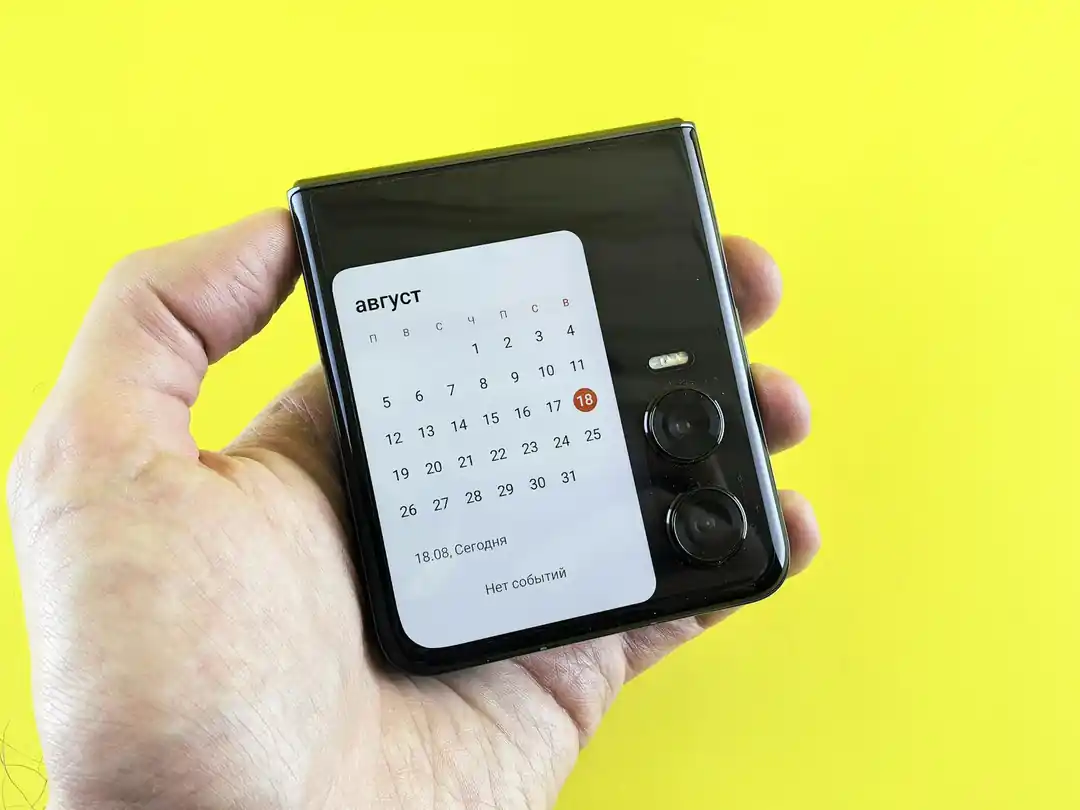
From Fragile to Formidable: The Surprising Evolution of Foldable Phone Durability
Remember when the idea of folding a smartphone screen in half felt like a disaster waiting to happen? Let's talk about how far they've come, because the story is pretty incredible.

Popular Posts

Rethinking Non-Profit Promotion: Creative Strategies That Actually Drive Event Impact

Beyond Stark White: The Best Interior Paint Colors to Light Up Your New Space

How to Actually Master a New Language on Your Own (No Magic Gene Required)
