Thinking about picking up knitting? It's a wonderfully calming hobby, and honestly, getting started is much simpler than you might think. Let's talk about the absolute must-have tools to kick off your creative journey.
There’s something truly magical about the idea of creating something from nothing, isn’t there? Taking a simple strand of yarn and turning it into a cozy scarf or a warm blanket feels like a small miracle. If you've found yourself admiring a hand-knit sweater or daydreaming in the yarn aisle, you might be feeling that little pull towards picking up some needles yourself. And I’m here to tell you that you absolutely should.
Honestly, though, I get it. Walking into a craft store for the first time can be completely overwhelming. There are walls of yarn in every color imaginable and a dizzying array of needles and gadgets. It’s enough to make anyone think, "Maybe this is more complicated than I thought." I felt that exact same way. But I’m here to let you in on a little secret: you don’t need all of it. To get started on your knitting journey, you only need a few key essentials.
Let’s quiet the noise and break down the absolute must-haves. This is your beginner’s toolkit, the simple foundation that will let you cast on your first project with confidence and, most importantly, with joy.
The Absolute Must-Haves: Needles and Yarn
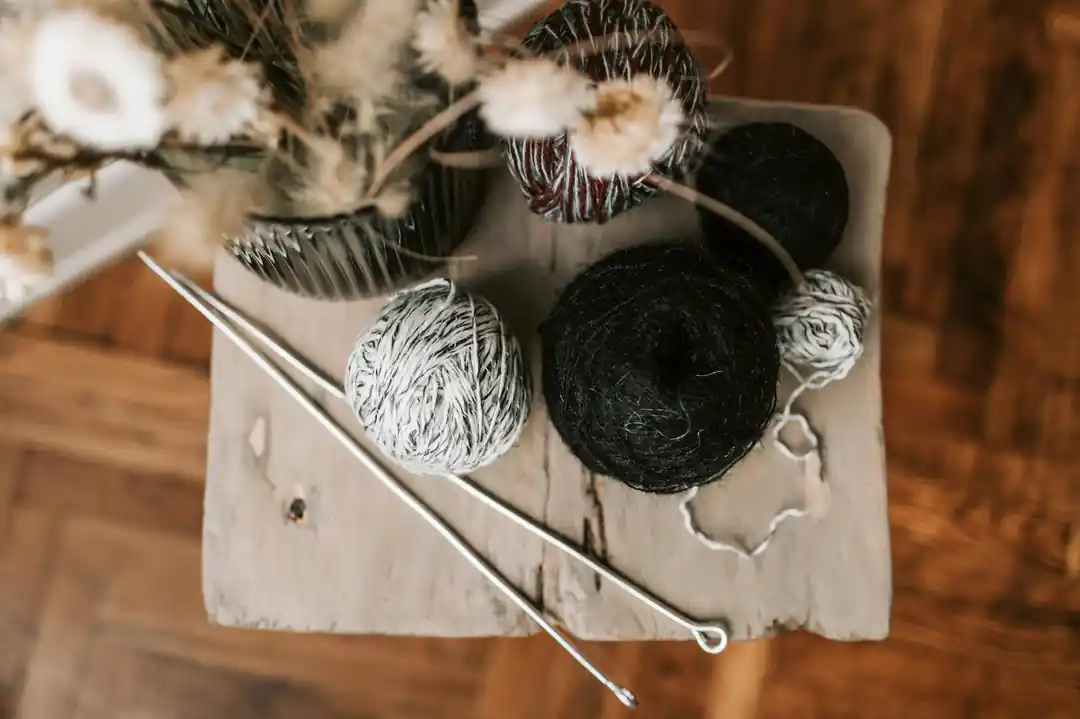
At its core, knitting is just two things: needles and yarn. These are your non-negotiables, the foundational tools that will do all the work. But even within these two categories, the choices can seem endless. Let's make it simple.
For your very first pair of needles, I wholeheartedly recommend choosing a pair made of bamboo or wood. While the sleek, colorful metal needles might catch your eye, they are often very slippery. As a beginner, your stitches will have a tendency to slide right off, which can be incredibly frustrating. Bamboo and wood needles have a slightly grippy texture that gently holds your stitches in place, giving you more control as you learn the movements. A study I read on a crafting blog mentioned that new knitters who started with wooden needles were less likely to give up in the first month. It makes sense—it’s all about minimizing frustration. Look for a medium size, somewhere around a US 8 (5mm). This size is comfortable to hold and works perfectly with the most common yarn weights.
Speaking of yarn, your first skein should be your friend. Don't make it harder on yourself by choosing a yarn that's difficult to work with. For beginners, the best choice is a smooth, medium-weight yarn, often labeled as "worsted" or "aran." And please, choose a light, solid color! Dark or multi-colored yarns can be beautiful, but they make it incredibly difficult to see your stitches, and you need to be able to see your stitches to learn. A simple, light-colored wool or acrylic yarn is perfect. Wool is wonderfully elastic and forgiving, while acrylic is durable and budget-friendly for practicing.
The "You'll Thank Me Later" Tools
Once you have your needles and yarn, there are a few small accessories, called "notions," that aren't strictly necessary to make a stitch, but they are essential for completing a project and saving your sanity. Think of them as the supporting cast that makes the stars shine.
First on this list is a simple pair of scissors. You don't need fancy embroidery snips (though they are cute!), but you will need something to cut your yarn when you finish a project or change colors. Any pair of scissors will do, but having a small, sharp pair dedicated to your knitting bag is a great habit to start.
Next, and this one is crucial, is a tapestry needle. This is a large, blunt-tipped needle with a big eye. When you finish your project, you'll have loose ends of yarn that need to be woven into the fabric to secure them. The tapestry needle is the tool for this job. Skipping this step will leave your work looking unfinished and at risk of unraveling. It’s the final touch that makes your project look polished and professional.
Finally, get yourself some stitch markers. These are little rings or clips that you place on your needle to mark a specific spot in your pattern. They can mark the beginning of a round, a pattern repeat, or a spot where you need to increase or decrease. You can even use a simple loop of contrasting yarn, but having a set of dedicated markers is a small investment that pays off in clarity and fewer mistakes.
Growing Your Toolkit: The Nice-to-Haves
As you fall more in love with knitting (and I’m sure you will), you’ll naturally want to expand your collection of tools. These are things you don’t need on day one, but they are wonderful to have as you start tackling more complex projects.
A flexible measuring tape is one of the first things you’ll probably want to add. It’s essential for checking your gauge (the number of stitches per inch, which ensures your project ends up the right size) and measuring your work as it grows. You can get by with a standard ruler at first, but a soft, flexible tape is much easier to use on fabric.
A row counter is another little gadget that many knitters swear by. It’s a small tool that clicks over to the next number each time you finish a row, helping you keep track of where you are in a pattern without having to constantly make tally marks on a piece of paper. It’s a simple thing, but it can be a lifesaver in a complex pattern.
Eventually, you might invest in an interchangeable needle set. These sets come with a variety of needle tip sizes and different lengths of cables, allowing you to create the perfect circular needle for any project. They are a fantastic investment for a serious knitter, but for now, just know that they exist for when you’re ready to take that next step.
The most important thing to remember is that knitting should be a joy. It’s a peaceful, meditative craft that allows you to create warmth and beauty with your own two hands. Start with the basics, be patient with yourself, and enjoy the simple, rhythmic process of one stitch after another. The rest will come with time. Happy knitting.
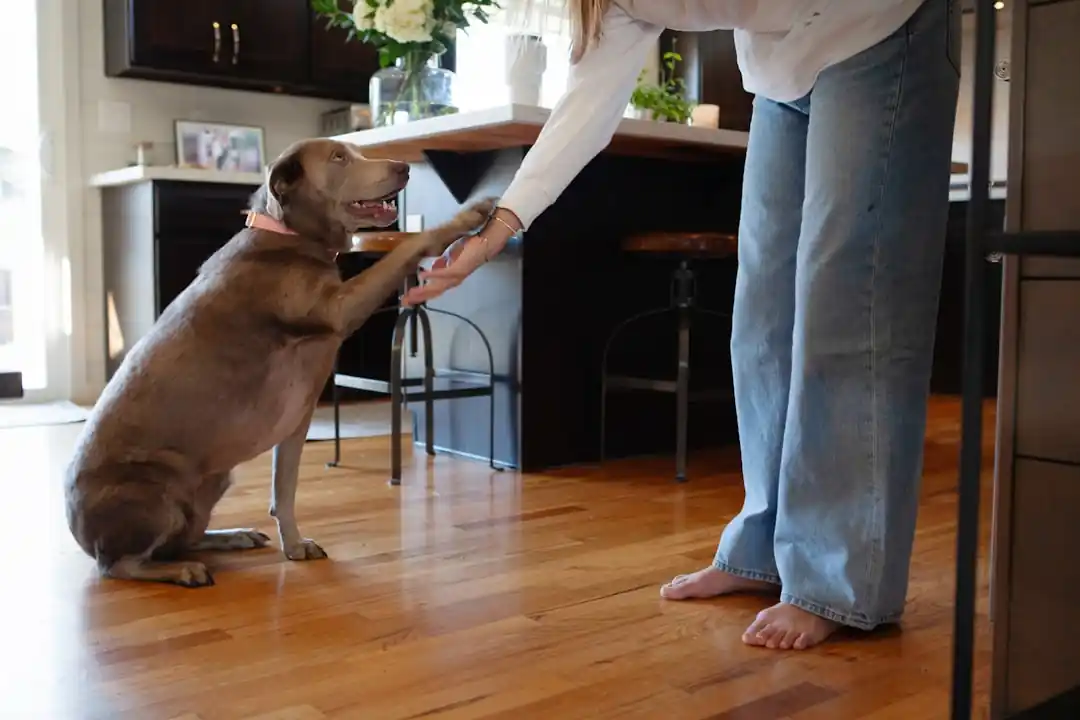
The 5 Basic Dog Commands That Will Transform Your Life at Home
No Yard, No Problem: How to Start an Indoor Garden in a Tiny Apartment
Related Posts
 HOBBIES
The Beginner's Guide to Reading the Night Sky: How to Spot Your First Constellations
A friendly, grounded guide to navigating the night sky, understanding stellar movements, and spotting iconic constellations without expensive gear.
 PETS
PETSSniffle-Free Snuggles: America's Most-Loved Hypoallergenic Dogs
Dreaming of a furry friend but dreading the sneezes? You're not alone. Let's dive into the wonderful world of popular hypoallergenic dog breeds in the US.
Popular Posts

Rethinking Non-Profit Promotion: Creative Strategies That Actually Drive Event Impact

Beyond Stark White: The Best Interior Paint Colors to Light Up Your New Space

How to Actually Master a New Language on Your Own (No Magic Gene Required)
