The Chagos Islands: A Paradise Lost and a People's Fight for Home
Beneath the turquoise waters and pristine beaches of the Chagos Islands lies a painful history of forced displacement and geopolitical strategy. This is the story of the Chagossians and their long fight for justice.
When you picture a remote tropical paradise, what comes to mind? I bet it’s something close to the Chagos Islands—a stunning archipelago of over 60 islands in the heart of the Indian Ocean. We’re talking postcard-perfect white sand beaches, crystal-clear turquoise waters, and vibrant coral reefs. It seems like the kind of place that time, and trouble, would forget. But honestly, the serene beauty of the Chagos Islands masks a deeply painful and complex history that most people have never heard of.
It’s a story that involves colonial powers, a secret Cold War deal, and the forced displacement of an entire population. For generations, the islands were home to the Chagossians, a unique Creole people with a rich culture and a deep connection to their land. They were, by all accounts, living a peaceful existence until global politics intervened in the most brutal way. Their story is not just a piece of history; it’s an ongoing struggle for justice, identity, and the right to return home. It’s a powerful reminder that the world map is often drawn and redrawn at a tremendous human cost.
A Thriving Society Erased
Before the mid-20th century, the Chagos Islands were anything but uninhabited. They were home to a thriving community of around 2,000 people, primarily the descendants of enslaved Africans and indentured Indian laborers brought to the islands to work on coconut plantations starting in the 18th century. Over generations, they developed their own distinct culture, a unique Chagos Creole language, and a way of life intimately tied to the rhythms of the ocean and the land. They weren't just surviving; they were flourishing.
Life was, from all reports, peaceful and self-sufficient. The Chagossians had their own villages, schools, churches, and hospitals. They lived in a structured society where employment was guaranteed and basic necessities were provided. It was a world away from the poverty and strife that plagued so many other parts of the globe. This idyllic existence, however, was built on a fragile foundation, one that would be shattered by decisions made thousands of miles away in the corridors of power in London and Washington D.C.
The story takes a dark turn in the 1960s. As the Cold War ramped up, the United States was looking for a strategic military outpost in the Indian Ocean. They identified the largest island in the Chagos archipelago, Diego Garcia, as the perfect location for a naval base. In 1965, the UK, which still administered the islands as part of the colony of Mauritius, made a secret deal. They agreed to lease Diego Garcia to the U.S. in exchange for a discount on Polaris nuclear missiles. There was just one condition: the island had to be "swept" and "sanitized." In other words, the entire native population had to be removed.
The Heartbreak of Forced Exile
What followed was a systematic and cruel campaign of forced displacement. Between 1968 and 1973, the British government forcibly removed every last Chagossian from their homeland. The methods were brutal and designed to break their spirit. Islanders who had traveled to Mauritius for medical treatment or holidays were simply denied return passage. Food and medical supplies to the islands were restricted, making life increasingly difficult for those who remained. In a final, heartbreaking act of cruelty, British agents rounded up and gassed all of the Chagossians' pet dogs.
The displaced islanders were dumped in the slums of Mauritius and the Seychelles with little to no support. They were given a pittance in compensation, which quickly ran out. Having known only their island way of life, they were ill-equipped for the challenges of a new country. Many fell into extreme poverty, facing unemployment, discrimination, and a profound sense of loss. They had lost not just their homes, but their entire world, their culture, and their dignity. It was a devastating act of inhumanity, all carried out in the name of national security.
For decades, the Chagossians have been fighting for justice. Their struggle has been a long and arduous one, fought in courtrooms, in the media, and in the hearts of the displaced community. They have faced legal setbacks and political intransigence, but they have never given up hope. Their primary demand has always been simple and profound: the right to return to their homeland. They have become a powerful symbol of the human cost of geopolitical maneuvering and the enduring legacy of colonialism.
A Glimmer of Hope on the Horizon?
In recent years, the tide has slowly begun to turn. The Chagossians' plight has gained international attention, and their cause has been championed by human rights organizations and legal experts around the world. In 2019, in a major victory, the International Court of Justice ruled that the UK's administration of the Chagos Islands was unlawful and that they should be returned to Mauritius. While the ruling was non-binding, it was a huge moral and legal victory for the Chagossians and their supporters.
Then, in a landmark announcement in late 2022, the British government confirmed it had entered into negotiations with Mauritius over the future of the archipelago. While the details are still being worked out, and the future of the U.S. military base on Diego Garcia remains a key part of the discussion, it represents the most significant step yet towards resolving this long-standing injustice. For the first time in fifty years, there is a real, tangible hope that the Chagossians may finally be able to return to the islands they have always called home.
The road ahead is still uncertain, and many challenges remain. But for the Chagossian people, who have endured so much for so long, this glimmer of hope is everything. Their story is a powerful testament to the resilience of the human spirit and the unwavering pursuit of justice. It’s a story that deserves to be told and remembered, a story that challenges us to think about the true meaning of home, and what it means to have it taken away. As we watch this next chapter unfold, we can only hope that it ends with the long-overdue return of a people to their paradise.
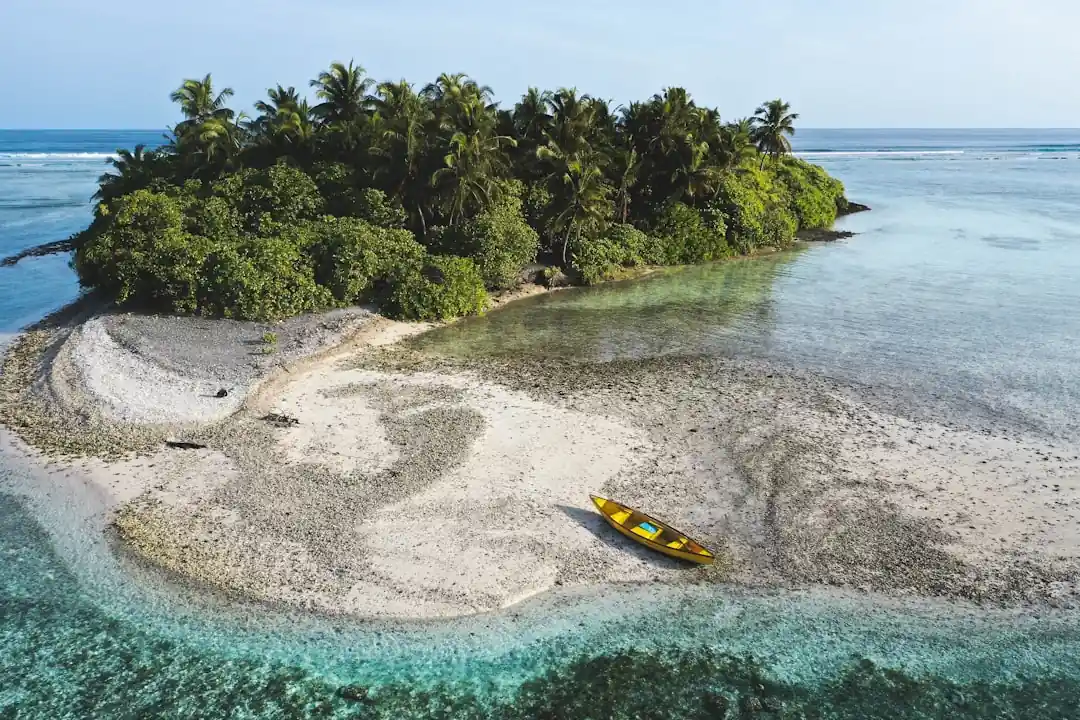
The Remote Island Dream: How to Find Paradise on a Shoestring Budget
Building a Fortune? Why LEGO Sets Are a Surprisingly Smart Investment

Related Posts
 TRANSPORT
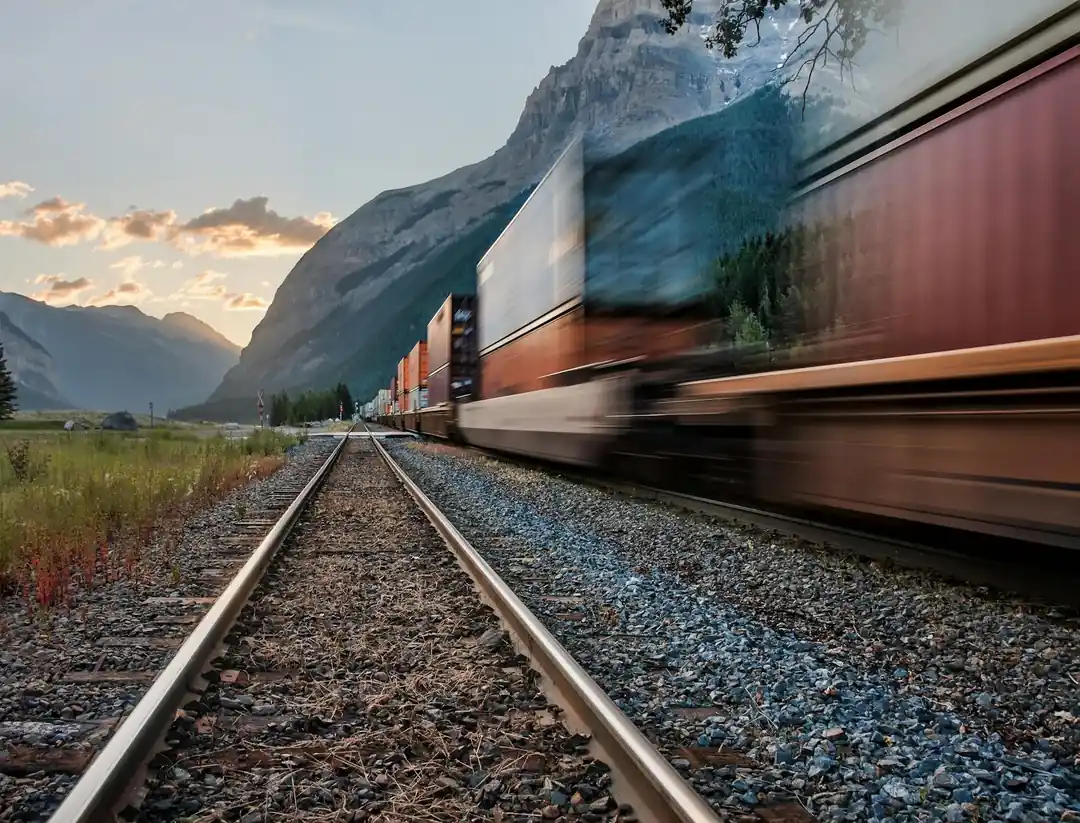
Beyond the Highway: Finding Canada's Soul on a Western Rail Adventure
Forget road trips. I'm talking about rediscovering the romance of travel on Via Rail's most scenic routes through the heart of the Canadian West. It’s an experience that changes you.
 TRAVEL TIPS
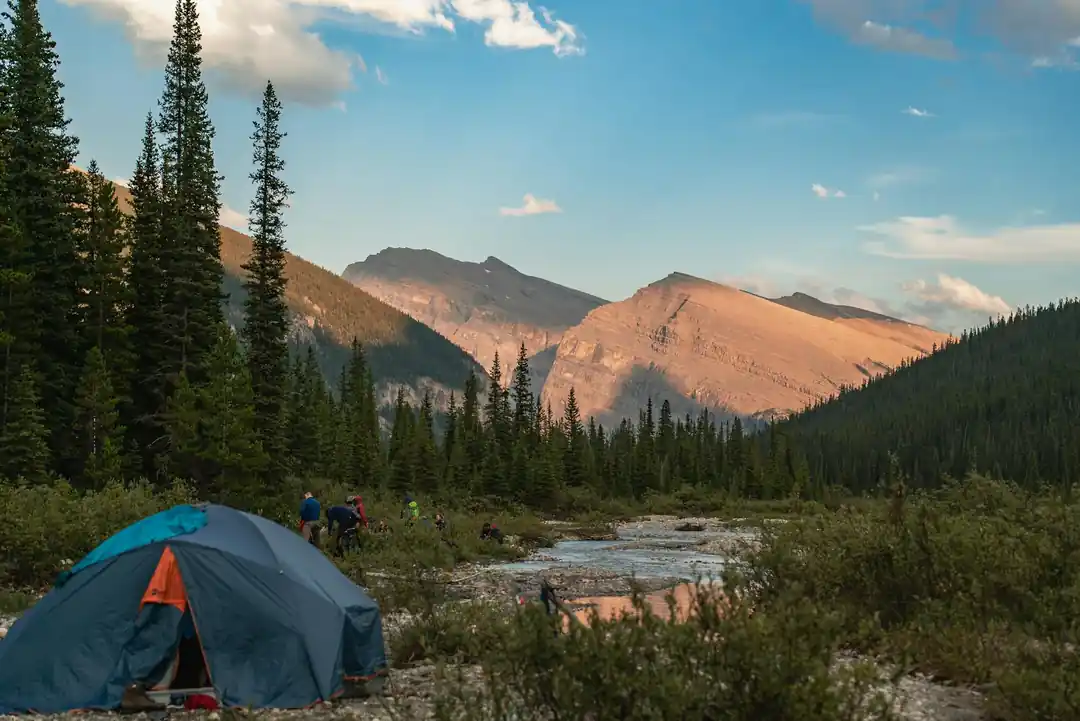
The Unwritten Rules of the North: What to Know Before Camping in Canada
Heading to the Great White North for a camping trip? It's an amazing idea. But from campfire etiquette to wildlife wisdom, here’s what you need to know before you go.

Popular Posts

Rethinking Non-Profit Promotion: Creative Strategies That Actually Drive Event Impact

Beyond Stark White: The Best Interior Paint Colors to Light Up Your New Space

How to Actually Master a New Language on Your Own (No Magic Gene Required)
