More Than a Pretty Voice: The Real Skills You Need for a Voice Acting Career
Thinking about a career in voice acting? It takes more than just a great voice. Here's a real look at the blend of art, tech, and business you'll need to succeed.
Have you ever been so captivated by a voice in an animated movie or a video game that you completely forgot there was a real person behind it? That’s the magic of voice acting. It’s an art form that feels both incredibly intimate and larger than life. From the outside, it can seem like a dream job—getting paid to make funny voices and bring characters to life from a cozy home studio. And while it is an amazing field, the path to becoming a professional is paved with much more than just a naturally pleasant voice.
I used to think the main prerequisite was just having a deep, booming "movie trailer" voice or a quirky, high-pitched character voice. But the more I've learned from people deep in the industry, the more I realize that’s just the tip of the iceberg. A successful voice acting career is a careful balance of raw acting talent, technical prowess, and sharp business instincts. It’s about being a performer, an audio engineer, and an entrepreneur all at once.
So, if you've ever wondered what it really takes to turn your vocal talents into a viable career, let's pull back the curtain and look at the essential skills you need to cultivate.
It Starts with Acting, Not Just a Voice
This is probably the most misunderstood part of the job. The most critical word in "voice acting" is acting. You can have the most resonant, beautiful voice in the world, but if you can't convey genuine emotion and create a believable character, you won't get far. It’s about storytelling. Your job is to make the listener feel something—whether it's excitement, sorrow, or laughter—using only the nuances of your vocal performance.
This means you need to dig into the core principles of acting. You have to learn how to analyze a script, understand a character's motivations, their backstory, and their emotional state. Why are they saying these words? What do they truly want? Answering these questions is what separates a flat, lifeless read from a performance that feels real and three-dimensional. Many successful voice actors have a background in theater or have taken extensive acting classes, and for good reason. That training is their foundation.
Ultimately, versatility is your greatest asset. One day you might be voicing a gritty, world-weary detective for a video game, and the next you could be the upbeat, friendly voice for a national commercial. Being able to pivot between different styles, energies, accents, and ages is what makes you marketable. It’s about building a palette of authentic performances, not just a collection of funny voices.
Your Voice is Your Instrument: The Technical Craft
Once you have the acting chops, you need to master your physical instrument: your voice. This is where the technical craft comes in, and it’s just as important as the performance itself. Professional voice actors train their voices with the same discipline as singers or musicians. It’s not just about speaking clearly; it’s about having complete control over every sound you make.
Breath control is everything. It’s the engine that powers your voice, allowing you to deliver long passages without sounding winded or losing energy. Proper breathing from the diaphragm gives you stamina and control over your volume and pitch. Alongside that comes diction and articulation. Every word must be crisp and intelligible. Mumbling is the enemy of the voice actor. Practice with tongue twisters and articulation exercises isn't just for fun; it's a necessary workout to keep your speech sharp.
Furthermore, you have to learn how to care for your voice. This means staying hydrated, avoiding things that can strain your vocal cords (like shouting or smoking), and knowing when to rest. Losing your voice means losing work. Many pros have a daily regimen of vocal warm-ups to get their voice ready for a session and cool-downs to relax it afterward. It’s a physical job, and treating your voice with the care of a professional athlete is a non-negotiable part of the career.
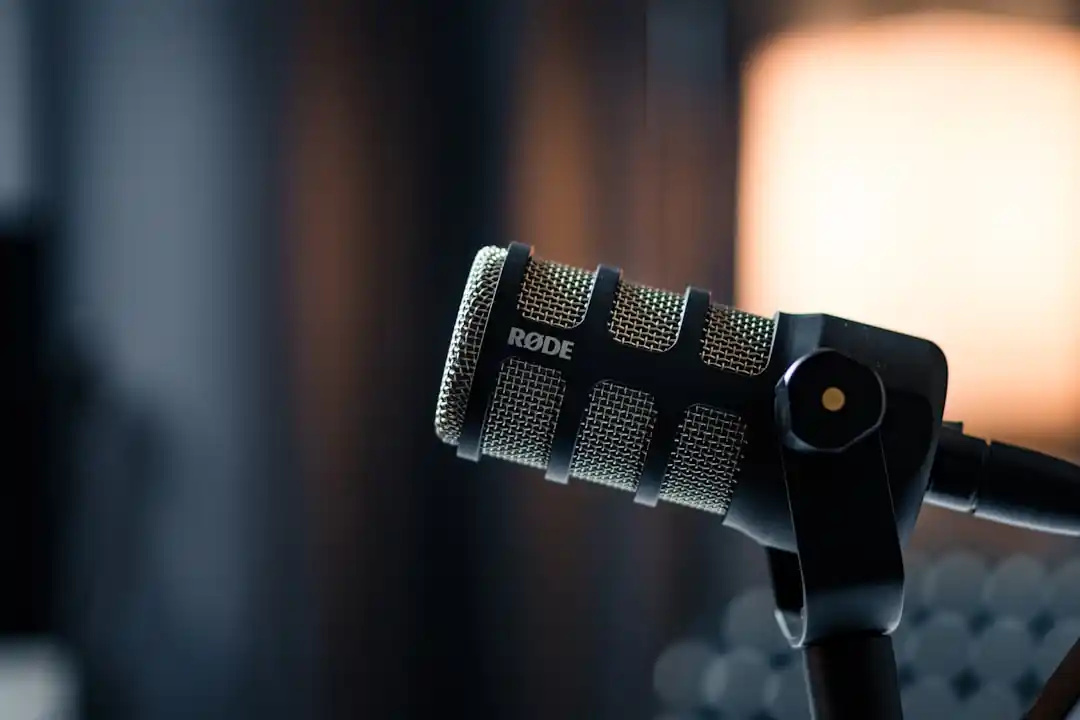
The Home Studio Hustle: Becoming Your Own Engineer
In today's industry, the vast majority of auditions and a huge amount of paid work are done from home. This means you are not just the talent; you are also the audio engineer. Having a professional-quality home studio and knowing how to use it is no longer a bonus—it's a requirement. But don't worry, you don't need to spend a fortune to get started.
The first step is creating a good recording space. This is more important than any piece of gear. You need a quiet, acoustically treated space where your recordings won't be tainted by background noise or echo. This can be a walk-in closet filled with clothes, or a small room treated with acoustic blankets or foam panels. The goal is to get a clean, "dead" sound without any room reflection.
Then comes the gear. You'll need a quality microphone (a large-diaphragm condenser is the industry standard), an audio interface to connect your mic to your computer, and a pair of studio headphones. You'll also need to learn how to use a Digital Audio Workstation (DAW), which is the software you'll use to record, edit, and master your audio. Learning basic editing—like removing breaths, cutting out mistakes, and normalizing audio levels—is a fundamental skill that clients will expect you to have.
The Mind of a Business Owner
Here’s the final, crucial piece of the puzzle: you are running a business. Being a talented actor with a great studio is wonderful, but if no one knows you exist, you won't get any work. You have to adopt an entrepreneurial mindset and be prepared to market yourself relentlessly. This means creating a professional website, producing high-quality demo reels tailored to different genres (like commercial, animation, and narration), and actively seeking out opportunities.
Networking is huge in this industry. Building relationships with casting directors, agents, producers, and other actors can lead to invaluable opportunities. This also means developing a thick skin. You will face rejection—a lot of it. The ability to take feedback, not take "no" personally, and keep putting yourself out there is what separates those who succeed from those who give up.
From managing your finances and invoicing clients to negotiating rates and understanding contracts, the business side of voice acting is just as demanding as the performance side. It requires organization, discipline, and a proactive approach. You are the CEO of Your Voice, Inc., and every decision you make contributes to your long-term success.
The journey into voice acting is a marathon, not a sprint. It's a continuous process of learning, practicing, and adapting. But for those with a passion for performance and the grit to treat it like a craft and a business, it offers one of the most creative and rewarding careers imaginable. So, warm up your voice, get curious, and start building your skills. The world is always waiting for a new story to be told.
The Ultimate Streaming Showdown: A 2025 Guide to Prices, Perks, and Picking Your Champion
Physical Silver vs. Silver ETFs: Which Shines Brighter for Your Portfolio?

Related Posts
 LANGUAGES
How to Actually Master a New Language on Your Own (No Magic Gene Required)
Discover research-backed self-study strategies to break through fluency plateaus, build real confidence, and learn a new language on your own terms.
 STUDY TIPS
Your Unshakeable Foundation: Understanding the Most Important Legal Rights for US Citizens
Ever wonder what truly protects you as a American citizen? Let's dive into the fundamental legal rights that form the bedrock of our society, making sure you know your power.

Popular Posts

Rethinking Non-Profit Promotion: Creative Strategies That Actually Drive Event Impact

Beyond Stark White: The Best Interior Paint Colors to Light Up Your New Space
How to Actually Master a New Language on Your Own (No Magic Gene Required)
