A History Lover's Guide to India: More Than Just the Taj Mahal
Thinking about a trip to India? If you're a history buff, it's not just a vacation—it's a pilgrimage. Here’s how to dive deep into the subcontinent's incredible past.
Let’s be honest. For a certain type of traveler—the kind of person whose bookshelf is overflowing with historical biographies and who watches history documentaries for fun—some destinations just call to you. They whisper stories of fallen empires, forgotten cities, and architectural marvels that defy explanation. For me, and I suspect for many of you, India has always been at the very top of that list. It’s a place where history isn’t just in the past; it’s a living, breathing entity that you can see, touch, and feel on every street corner.
Coming from the US, where our national history is measured in centuries, the sheer scale of India's timeline is almost impossible to comprehend. We're talking about millennia of continuous civilization, of empires rising and falling like tides, each leaving behind a layer of stories, art, and culture. Planning a trip can feel overwhelming. Where do you even begin when every region boasts its own dynasties, its own unique forts, temples, and tombs?
I remember feeling that exact mix of excitement and intimidation. You see the pictures of the Taj Mahal, of course, but you know that’s just the prologue to a much, much larger story. This guide is for those of you who want to read the whole book. It’s about crafting a journey that goes beyond the surface and truly connects with the soul of India's incredible, multifaceted history.
The Imperial North: Mughals, Maharajas, and Unforgettable Monuments
The classic starting point for any historical tour of India is, for good reason, the "Golden Triangle"—Delhi, Agra, and Jaipur. This circuit is a masterclass in the grandeur of the Mughal and Rajput empires. In Delhi, you can literally walk through layers of history. One moment you're standing in front of the colossal Red Fort, the 17th-century masterpiece of Mughal emperor Shah Jahan, and the next you're wandering through the serene gardens of Humayun's Tomb, a 16th-century architectural precursor to the Taj Mahal that is, in its own right, absolutely breathtaking.
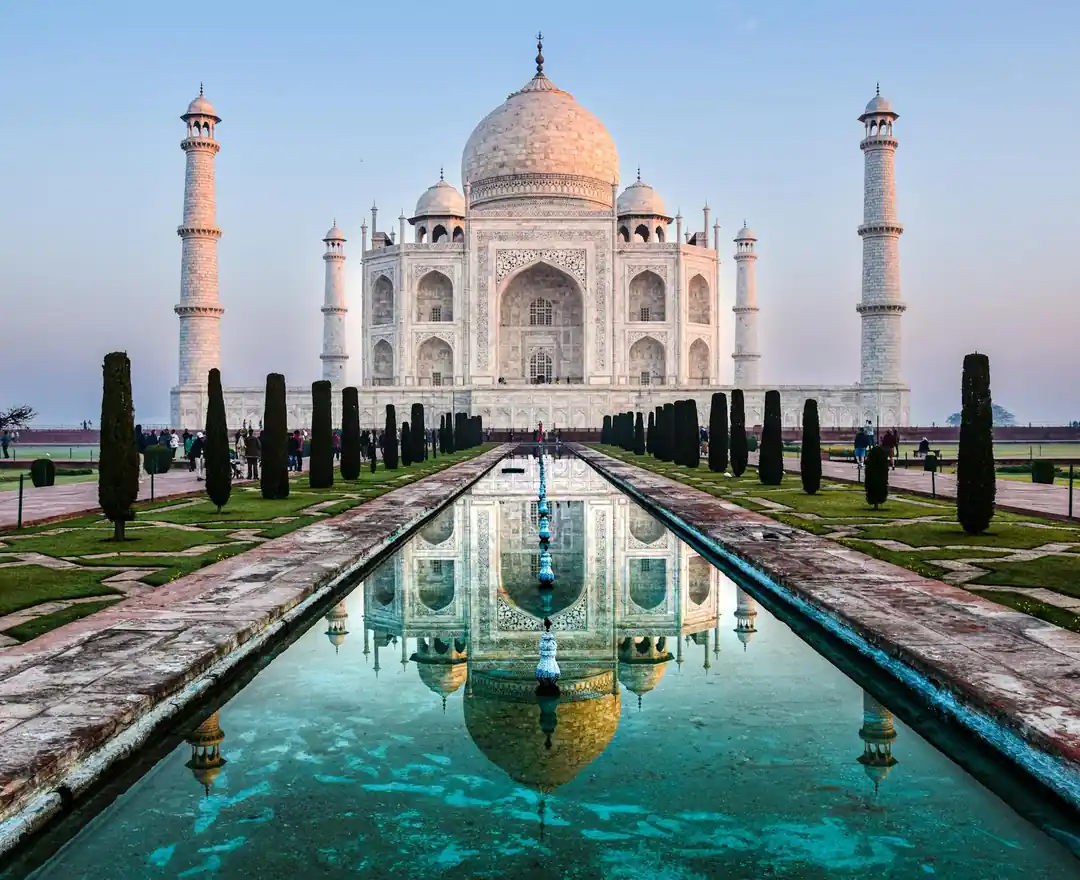
Then, of course, there's Agra. Seeing the Taj Mahal for the first time is one of those rare travel moments that genuinely lives up to the hype. It’s not just a building; it’s a feeling. The perfect symmetry, the way the white marble seems to absorb and reflect the changing light of the day—it’s pure poetry. But don’t make the mistake of leaving Agra right after. The nearby Agra Fort, a massive walled city of red sandstone, is just as compelling. It was the main residence of the Mughal emperors, and walking through its palaces and courtyards, you can almost hear the echoes of imperial proclamations and courtly intrigue.
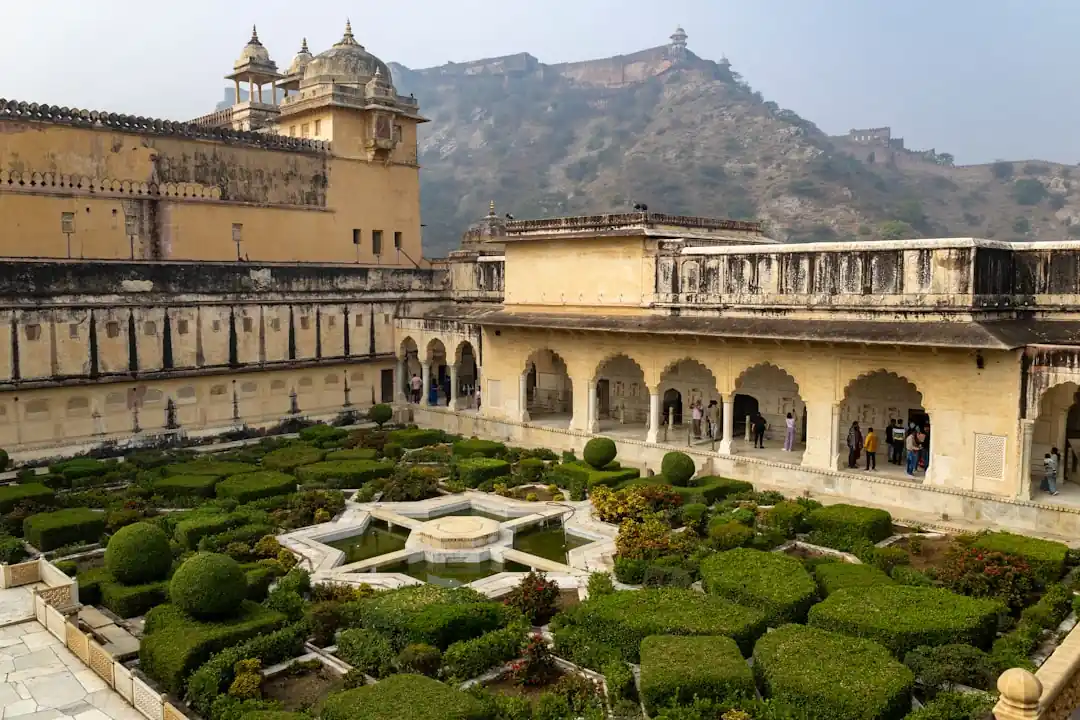
But the story of Northern India isn't just Mughal. A short journey into Rajasthan transports you into the world of the Rajputs, the legendary warrior kings of the region. Jaipur, the "Pink City," is home to some of the most vibrant and romantic architecture you will ever see. The Amber Fort, perched on a hilltop overlooking a lake, is a sprawling complex of palaces, temples, and courtyards that feels like something out of a fantasy novel. You can spend hours just getting lost in its intricate mirror-work halls and painted gates.
Beyond the Forts: Ancient Caves and Spiritual Capitals
As incredible as the imperial north is, some of India's most profound historical sites lie elsewhere, whispering tales from even more ancient times. The Ajanta and Ellora Caves in Maharashtra are, without exaggeration, one of the most spectacular artistic achievements in human history. These aren't buildings in the traditional sense; they are entire temples and monasteries carved by hand, top-to-bottom, out of solid rock.
The Ajanta Caves, dating back to the 2nd century BCE, are famous for their stunning murals, which are among the finest surviving examples of ancient Indian art. These paintings tell stories from the life of the Buddha, and their color and vibrancy, preserved for two millennia in the dark, are simply astonishing. A short drive away, the Ellora Caves showcase an incredible display of religious harmony, with Hindu, Buddhist, and Jain temples carved in close proximity. The centerpiece, the Kailasa Temple, is a monolithic temple complex carved from a single cliff face—a feat of engineering and devotion that boggles the mind.
Further south, the ruins of Hampi transport you to the heart of the once-mighty Vijayanagara Empire. Spread across a surreal landscape of giant boulders and lush palm groves, the site is dotted with hundreds of temples, palaces, and monuments. It feels like an open-air museum on a cosmic scale. Renting a bicycle and exploring the sprawling ruins, from the iconic Stone Chariot to the musical pillars of the Vittala Temple, is an experience that feels like true discovery. This was a civilization that, at its peak, was one of the richest and largest in the world, and you can feel that lost grandeur in the air.
A Few Practical Tips for the History-Focused Traveler
Navigating a country as vast and complex as India requires a bit of planning to make the most of your historical deep dive. First, timing is everything. The best time to visit most of the country is during the cooler, dry season from October to March. The summer months can be brutally hot, and the monsoon season can disrupt travel plans.
When it comes to logistics, don't try to do too much. It's far more rewarding to spend more time in fewer places than to rush from one site to the next. For longer distances, trains are an iconic Indian experience, but for regional circuits like Rajasthan, hiring a car and driver is often the most efficient and comfortable way to go. It gives you the flexibility to stop at lesser-known sites you might spot along the way.
At the sites themselves, always hire a licensed guide. Their stories and insights will bring the stones to life in a way no guidebook ever could. And finally, be respectful. Dress modestly, especially when entering temples and mosques (this often means covering your shoulders and knees), and always be mindful that many of these historical sites are still active places of worship. A little cultural awareness goes a long way and deepens the connection you'll feel to the places you visit.
This journey into India's past is more than just a trip; it's an education and an inspiration. It’s a chance to stand in the footsteps of emperors, monks, and artists who shaped our world. You'll leave not just with beautiful photos, but with a profound new perspective on the depth and resilience of human history. I hope you find your own stories in those ancient stones.
Chasing Empires: How to Explore Mughal Architecture on a Budget
Beyond the Taj: A Journey Through the Mughal Empire's Greatest Hits

Related Posts
 TRANSPORT
Beyond the Highway: Finding Canada's Soul on a Western Rail Adventure
Forget road trips. I'm talking about rediscovering the romance of travel on Via Rail's most scenic routes through the heart of the Canadian West. It’s an experience that changes you.
 TRAVEL TIPS
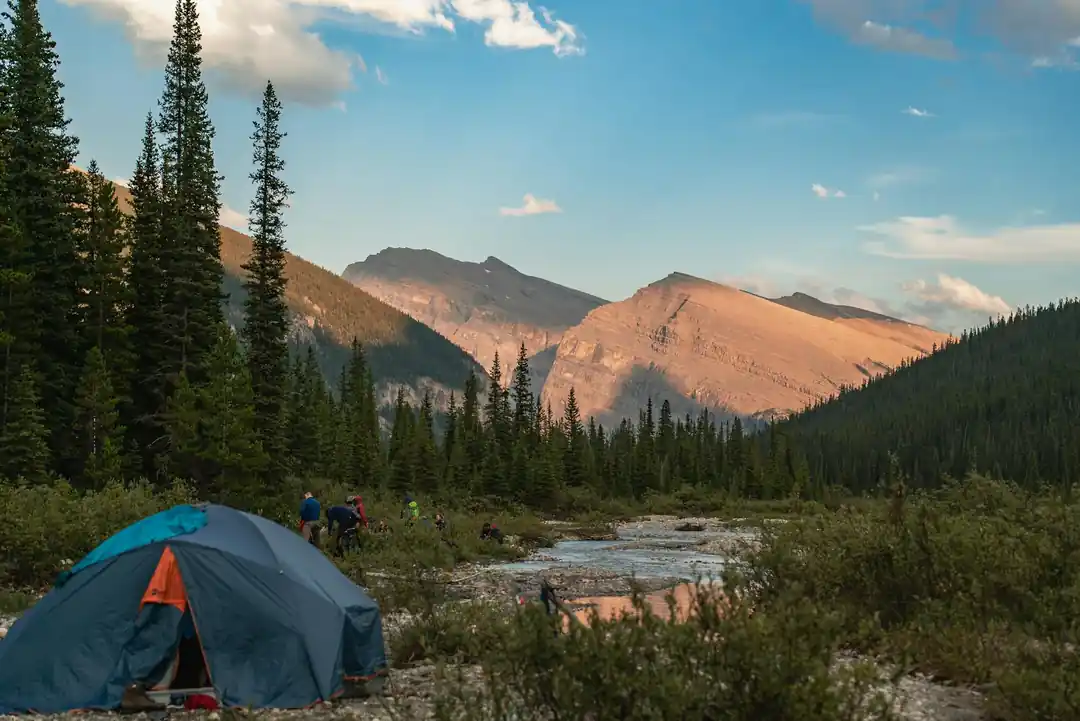
The Unwritten Rules of the North: What to Know Before Camping in Canada
Heading to the Great White North for a camping trip? It's an amazing idea. But from campfire etiquette to wildlife wisdom, here’s what you need to know before you go.

Popular Posts

Beyond Stark White: The Best Interior Paint Colors to Light Up Your New Space

How to Actually Master a New Language on Your Own (No Magic Gene Required)

The Simple Pre-Workout Fueling Strategy That Saved My Long Runs