A Race to the Clouds: A Historical Guide to the World's Tallest Buildings
From Chicago's first skyscraper to Dubai's modern marvels, the title of the world's tallest building has traveled the globe. Let's explore the cities that have reached for the sky.
There’s something that stirs in the human soul when we look up at a truly massive building. It’s a mix of awe, maybe a little bit of vertigo, and a deep appreciation for the sheer audacity of it all. For as long as we’ve been building cities, we’ve been in a quiet, relentless race to the sky. This isn’t just a story about concrete, steel, and glass; it’s a story about ambition, innovation, and the shifting centers of economic power across the globe. The title of "world's tallest building" is like a heavyweight champion's belt, passed from one city to the next, each new victor telling us something important about its time.
I was recently falling down a rabbit hole of architectural history and found myself completely captivated by this journey. It’s fascinating to see how the crown has been passed from the industrial heartland of America to the booming metropolises of Asia and the Middle East. Honestly, tracking the world's tallest building is like following a breadcrumb trail of human progress and economic history. It’s a narrative that says so much about who we are and what we value.
The Birthplace of the Skyscraper: Chicago and New York
It all had to start somewhere, and for the modern skyscraper, that somewhere was America. In the late 19th century, a perfect storm of innovation—namely the development of steel-frame construction and the invention of the safety elevator—made it possible to build higher than ever before. Before this, buildings were limited by the thickness of their load-bearing walls. The steel skeleton changed everything, transferring the weight to a strong internal frame and freeing architecture to soar.
Chicago is widely credited with kicking off the race in 1885 with the Home Insurance Building. At a mere 10 stories, it’s a dwarf by today's standards, but it was the first to use a steel frame, earning it the title of the first true skyscraper. But while Chicago may have invented it, New York City quickly perfected it. A fierce, yet productive, rivalry between the two cities defined the early decades of the skyscraper. New York’s skyline began to take on its iconic, jagged shape with structures like the Park Row Building (1899) and the magnificent, gothic-inspired Woolworth Building (1913), which was dubbed the "Cathedral of Commerce."
This era was defined by an incredible sense of optimism and a belief in the power of commerce and technology. These buildings weren't just functional office spaces; they were monuments. They were designed to inspire awe and project an image of power and permanence. Looking at photos from that time, you can almost feel the energy of cities that were literally growing into the clouds, creating a blueprint for urban life that the rest of the world would eventually follow.
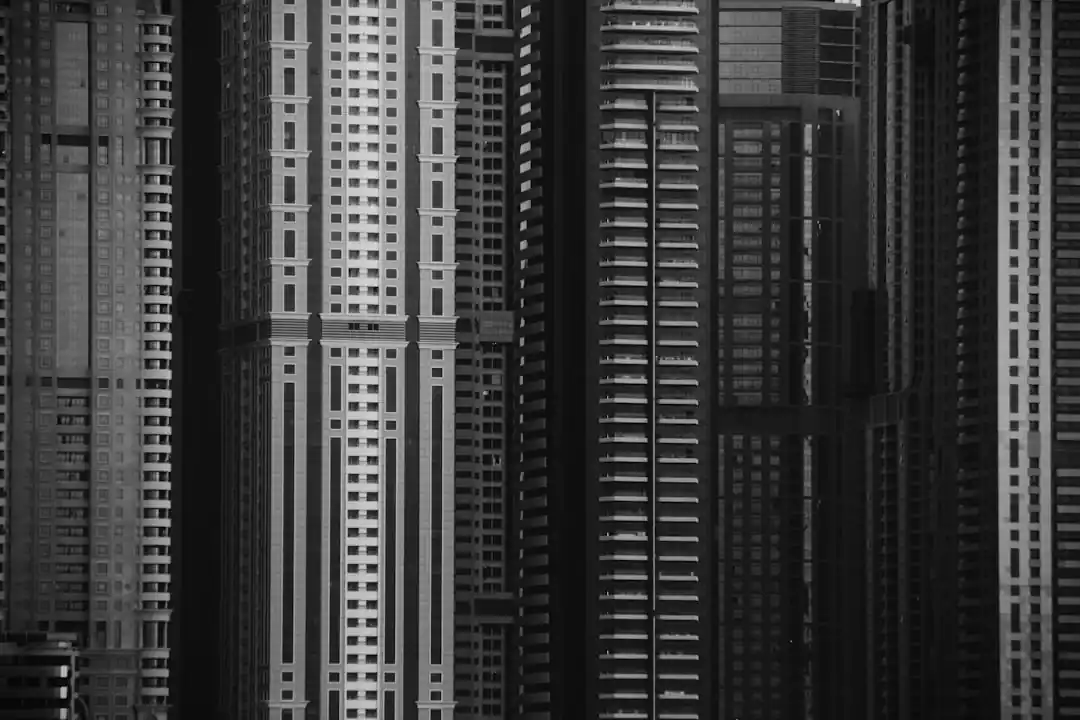
The American Century and the Reign of New York
The early 20th century belonged to New York. The city's ambition culminated in an astonishing burst of construction in the late 1920s and early 1930s, even as the country was heading into the Great Depression. This period gave us some of the most iconic Art Deco masterpieces ever built. The competition was fierce, most notably the "Race for the Sky" in 1929-1930. For a moment, it seemed the stunningly beautiful Chrysler Building would be the undisputed king, with its gleaming spire and eagle-headed gargoyles.
But its glory was short-lived. In 1931, the Empire State Building was completed, snatching the title and holding onto it for an incredible 41 years. It became more than just a building; it was the symbol of New York City and a beacon of American resilience. For decades, it was the undisputed king, the final word in height. The title of "world's tallest" did eventually move to the twin towers of the World Trade Center in 1971, and then back to Chicago with the Sears Tower (now Willis Tower) in 1973. For most of the 20th century, the answer to "Where is the world's tallest building?" was always a major American city.
It’s kind of amazing to think about that long period of dominance. It reflected a century where American industry, culture, and economic might were largely unparalleled on the world stage. These buildings were a physical manifestation of that reality, scraping the sky and casting a long shadow across the globe. It seemed, for a time, that the crown would simply stay in the U.S. forever.
A Global Shift: The Title Moves to Asia
The end of the 20th century marked a profound shift in the global economic landscape, and the world of architecture reflected it perfectly. In 1998, for the first time in modern history, the world's tallest building was located outside of North America. The Petronas Towers in Kuala Lumpur, Malaysia, soared to 452 meters, capturing the world's attention with their distinctive twin-spired design inspired by Islamic geometry.
This was a huge moment. It signaled that the economic boom in Asia was not just a fleeting trend but a fundamental realignment of global power. The Petronas Towers were a bold statement from Malaysia, a declaration that it was a major player on the world stage. Just a few years later, in 2004, the title moved to Taipei 101 in Taiwan. Designed to resemble a stalk of bamboo, this beautiful and innovative tower was the first to break the half-kilometer mark and was built with advanced engineering to withstand the region's typhoons and earthquakes.
Watching this shift happen was incredible. It was no longer a two-city race between New York and Chicago. Suddenly, the competition was global. The skylines of Asia were transforming at a breathtaking pace, with each new skyscraper seeming to push the boundaries of design and engineering even further. It was a clear sign that the 21st century was going to be very different from the 20th.
The Age of the Megatall: Dubai and Beyond
If the late 20th century was about a global shift, the 21st has been about a complete redefinition of scale. And no city embodies this more than Dubai. In 2010, the Burj Khalifa opened its doors and shattered every previous record, soaring to an almost unbelievable 828 meters (2,717 feet). It wasn’t just taller; it was in a completely different league, creating a new category of "megatall" structures.
The Burj Khalifa has held the title for over a decade now, a reign of dominance not seen since the Empire State Building. It has become the global icon of the modern era, a symbol of the incredible wealth and ambition of the Middle East. Standing at its base, or looking out from its observation deck, feels like you're witnessing something from a science fiction film. It’s a powerful reminder that the limits of what's possible are constantly being redrawn.
Today, the race continues, with new megatall structures planned or under construction in cities across Asia and the Middle East. While the title of "world's tallest" may one day leave Dubai, the era it represents—an era of truly global ambition and mind-bending engineering—is here to stay. It leaves you wondering with a sense of excitement: what will the next generation of skyscrapers look like, and what new heights will our cities, and our ambitions, reach next?
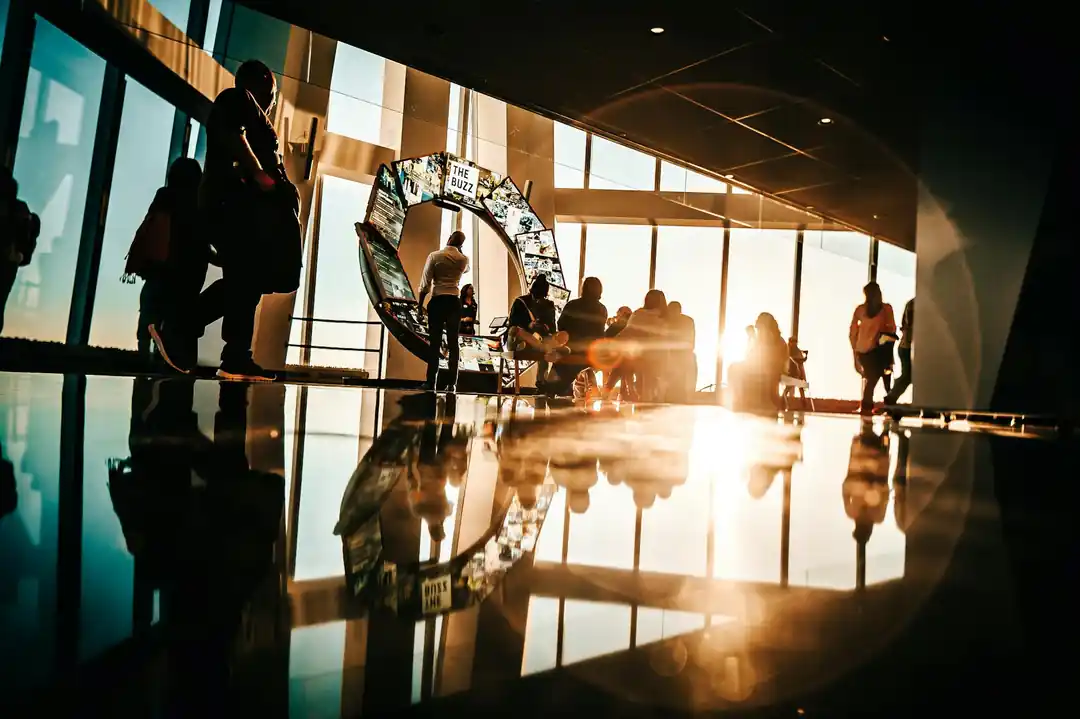
Sky-High Decisions: The Best Way to Book Your Skyscraper Observation Deck Tickets
Finding the Soul of the Blues: A Visit to the Howlin' Wolf Museum
Related Posts
 TRANSPORT
Beyond the Highway: Finding Canada's Soul on a Western Rail Adventure
Forget road trips. I'm talking about rediscovering the romance of travel on Via Rail's most scenic routes through the heart of the Canadian West. It’s an experience that changes you.
 TRAVEL TIPS
The Unwritten Rules of the North: What to Know Before Camping in Canada
Heading to the Great White North for a camping trip? It's an amazing idea. But from campfire etiquette to wildlife wisdom, here’s what you need to know before you go.

Popular Posts

Rethinking Non-Profit Promotion: Creative Strategies That Actually Drive Event Impact

Beyond Stark White: The Best Interior Paint Colors to Light Up Your New Space

How to Actually Master a New Language on Your Own (No Magic Gene Required)
