Thinking about a trip to Nigeria? It's an incredible country, but figuring out how to get around can feel like a puzzle. Here’s a friendly guide to navigating Nigeria like a pro.
So, you’re thinking about a trip to Nigeria. Amazing choice. It’s a country that pulses with life, a place of profound culture, incredible food, and landscapes that can take your breath away. But I get it, when you're planning a trip to a place as vast and dynamic as the "Giant of Africa," one of the first questions that pops into your head is: how am I actually going to get around? It’s a question I asked myself, and honestly, figuring out the transport is part of the adventure.
Let’s talk about it. Navigating Nigeria is a unique experience, and it’s not always as straightforward as what you might be used to back in the States. But that’s the beauty of it. You have options that range from modern and efficient to gritty and full of character. Forget what you think you know; traveling within Nigeria is a chance to see the country from different angles, whether you're soaring above it, cruising on a modern train, or weaving through city traffic.
It’s all about knowing your options and picking what’s right for your comfort level, budget, and schedule. From my own research and chats with friends who’ve made the trip, I’ve put together a little guide to help you move around with confidence.
Flying High: The Case for Domestic Flights
When you look at a map of Nigeria, the distances between major points of interest can be pretty intimidating. Driving from Lagos in the southwest to Abuja in the center can take a solid 12 hours, if not more, depending on traffic and road conditions. This is where domestic flights become your best friend. It’s the fastest, and often the most comfortable, way to cover those long distances.
Nigeria has a handful of reliable domestic airlines that connect its major cities. Think of carriers like Air Peace, Ibom Air, and Arik Air. They operate regular flights from the bustling hubs of Lagos and Abuja to other state capitals like Port Harcourt, Kano, and Enugu. Ibom Air, for instance, has built a fantastic reputation for being on time, which is a huge plus when you’re on a tight travel schedule. Booking is also getting easier, with most airlines offering online portals where you can book your ticket with a credit card.
A flight that takes just over an hour can save you an entire day of grueling road travel. Of course, it’s a bit more expensive than ground transport, but for the time and energy you save, it’s often worth the investment. Just a pro tip: book your flights as far in advance as possible. Prices can jump significantly the closer you get to your travel date. And always, always double-check the luggage allowance to avoid any surprises at the airport.
On the Ground: Ride-Hailing and Private Hires
Once you’re in a city, you’ll need a way to navigate the local streets. While you might see the iconic yellow danfo buses, especially in Lagos, they can be a bit intense for a first-time visitor. A much more comfortable and secure option is to use ride-hailing apps. Yes, Uber and Bolt (which is hugely popular) are widely available in major cities like Lagos, Abuja, and Ibadan.
Using these apps is a game-changer for tourists. It takes the guesswork out of negotiating fares, as the price is set in the app. You also have a digital record of your trip and the driver’s details, which adds a significant layer of security. I’ve heard from so many people that Bolt, in particular, is their go-to for getting around the city. It’s reliable, relatively affordable, and gives you a sense of control in a new environment.
For more flexibility, especially if you’re planning a full day of sightseeing or a trip to a nearby town, hiring a private car with a driver is an excellent option. This is my personal recommendation for anyone feeling a bit apprehensive. Having a local driver who knows the roads, the traffic patterns, and the culture is invaluable. They can often double as informal guides, and the peace of mind is priceless. You can usually arrange this through your hotel or a trusted local contact. It’s more expensive than a Bolt, for sure, but for a full day of exploring, it can be surprisingly economical, especially if you’re in a small group.
A Touch of Local Flavor: Keke Napeps
You can’t talk about getting around Nigeria without mentioning the keke napep. These are the colorful, three-wheeled auto-rickshaws that you’ll see zipping through traffic in almost every city. They are an essential part of the urban fabric and, honestly, a really fun way to travel for short distances.

Kekes are perfect for those shorter trips where a car feels like overkill—maybe from your hotel to a nearby restaurant or market. They can navigate through tight spots where cars can’t, and they’re open-air, so you really feel connected to the city’s energy. Fares are cheap, but you’ll need to negotiate the price before you get in. Don’t be afraid to haggle a bit; it’s all part of the experience.
While you might also see motorcycle taxis, known as okada, I’d advise caution. They are fast, yes, but they are also far riskier, and many cities have restrictions on them for safety reasons. For a tourist, a keke offers a much better balance of local experience and personal safety. It’s a must-try at least once on your trip.
Ultimately, how you choose to get around Nigeria will shape your experience of the country. Each mode of transport offers a different perspective, a different story. Whether you’re watching the clouds from a plane, chatting with your driver about the best place to get jollof rice, or feeling the breeze in a keke, you’re doing more than just traveling. You’re connecting with Nigeria in a real and memorable way. I hope your journey is a fantastic one.

A Foodie's Guide to the Best Local Eats in Louisville
Your Passport to Paradise: The Ultimate Budget-Friendly Guide to Southeast Asia

Related Posts
 TRANSPORT
Beyond the Highway: Finding Canada's Soul on a Western Rail Adventure
Forget road trips. I'm talking about rediscovering the romance of travel on Via Rail's most scenic routes through the heart of the Canadian West. It’s an experience that changes you.
 TRAVEL TIPS
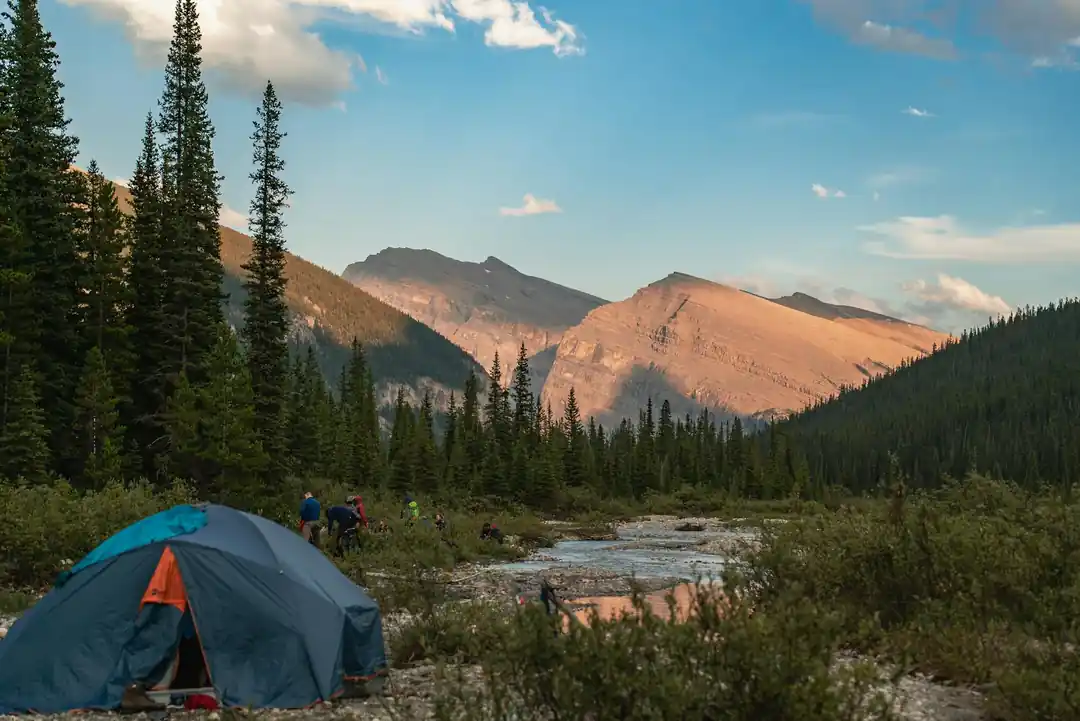
The Unwritten Rules of the North: What to Know Before Camping in Canada
Heading to the Great White North for a camping trip? It's an amazing idea. But from campfire etiquette to wildlife wisdom, here’s what you need to know before you go.
Popular Posts

Rethinking Non-Profit Promotion: Creative Strategies That Actually Drive Event Impact

Beyond Stark White: The Best Interior Paint Colors to Light Up Your New Space

How to Actually Master a New Language on Your Own (No Magic Gene Required)
