Diving into Digital Gold: 5 Fundamental Principles for Crypto Beginners
Thinking about dipping your toes into the world of crypto? It's exciting, but a little overwhelming. Here are the core principles every beginner should understand before investing a single dollar.
There’s a certain energy around cryptocurrency, isn’t there? You hear about it from friends, see it debated on the news, and scroll past stories of incredible gains online. It feels like a new digital gold rush, a frontier of finance that’s both intimidating and incredibly alluring. I remember when I first started looking into it; the sheer volume of information, the strange new vocabulary (what on earth is a "blockchain" or a "smart contract"?), and the passionate arguments from both believers and skeptics were completely overwhelming.
Honestly, it’s easy to get caught up in the hype. The idea of investing in the "next big thing" before it takes off is a powerful motivator. But diving into crypto without a plan is like setting sail without a compass. The waters are choppy, the weather is unpredictable, and it’s easy to get lost if you don’t have a few fundamental principles to guide you. This isn't about finding a get-rich-quick scheme; it's about learning to navigate a new and exciting asset class with wisdom and a healthy dose of caution.
So, let's take a breath and cut through the noise. We're going to walk through five foundational principles that every beginner should internalize before buying their first Bitcoin or Ethereum. Think of this as the conversation I wish I'd had when I was starting out—a friendly guide to help you build a solid foundation for your crypto journey.
Principle 1: Do Your Own Research (DYOR)
In the crypto world, you'll see the acronym "DYOR" everywhere, and for good reason. It stands for "Do Your Own Research," and it is the single most important principle in this space. Unlike the traditional stock market, which is heavily regulated and involves companies with long, public histories, the crypto market is the Wild West. There are thousands of different coins and tokens, and while some are legitimate projects with world-changing potential, many others are not.
So, what does doing your own research actually look like? It starts with going beyond the hype on social media. Before you invest in any project, you should read its whitepaper. This is a technical document that outlines what the project aims to do, the problem it's trying to solve, and the technology behind it. It might be dense, but it’s the most direct source of information you can get. Who is the team behind the project? Are they experienced and public with their identities? A project with an anonymous team is a significant red flag.
Furthermore, look at the project's "tokenomics"—how its coins are created, distributed, and managed. Is there a fixed supply like Bitcoin, which can create scarcity, or is the supply inflationary? Understanding these details helps you assess the long-term value proposition. Don't just invest because a celebrity endorsed it or because it has a cute dog for a mascot. Your conviction should come from understanding, not from hype.
Principle 2: Start Small and Only Invest What You Can Afford to Lose
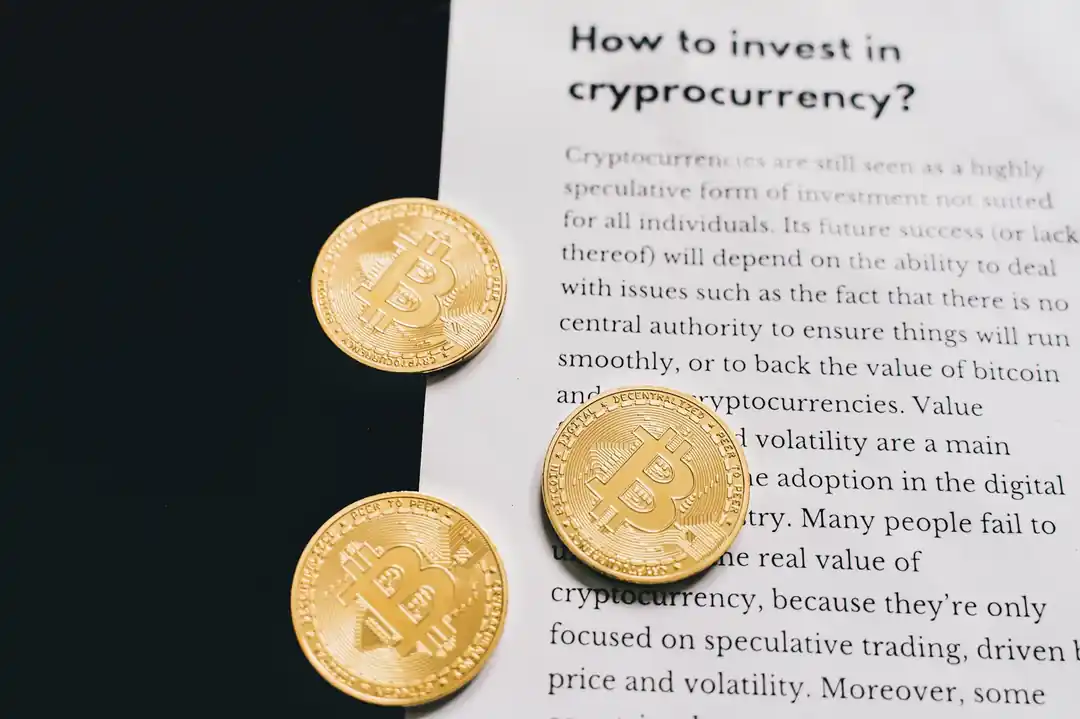
This might be the most repeated piece of advice in investing, but it’s ten times more important in crypto. The market is famously volatile. It’s not uncommon for prices to swing 10-20% or even more in a single day. While these swings are what create the potential for high returns, they also bring the risk of significant losses. Because of this, you should never, ever invest money that you need for essential expenses like rent, bills, or your emergency fund.
Think of your initial crypto investments as a form of high-risk speculation. Many financial advisors suggest that even seasoned investors should allocate no more than 1-5% of their total portfolio to volatile assets like cryptocurrency. For a beginner, starting even smaller is a wise move. Use this initial investment as a learning tool. It allows you to get a feel for the market, understand how exchanges work, and experience the emotional highs and lows of volatility without putting your financial well-being at risk.
Starting small helps you make rational decisions. When you've invested an amount you're comfortable losing, you're less likely to panic-sell during a market dip or make impulsive buys during a rally. It keeps the stakes low enough for you to focus on learning and developing your strategy, which is far more valuable in the long run than any small, initial gain.
Principle 3: Think Long-Term (HODL)
One of the most famous terms in crypto culture is "HODL," which originated from a typo of "hold" in an old Bitcoin forum post. It has since evolved into a philosophy: holding onto your investments for the long term, through all the market's ups and downs. For beginners, this is an incredibly powerful strategy. The temptation to day-trade—buying and selling frequently to capture short-term profits—is strong, but it's a game that's extremely difficult to win, even for professionals.
The crypto market is cyclical, with periods of massive growth (bull markets) often followed by sharp corrections (bear markets). By adopting a long-term perspective, you can ride out this volatility. Instead of trying to "time the market," which is nearly impossible, you focus on "time in the market." History has shown that fundamentally strong projects like Bitcoin and Ethereum have trended upwards over the long run, despite dramatic short-term price drops.
A great way to practice this is through Dollar-Cost Averaging (DCA). This involves investing a fixed amount of money at regular intervals—say, $50 every week—regardless of the price. When the price is high, you buy less; when the price is low, you buy more. This strategy smooths out your average purchase price over time and removes the stress of trying to find the "perfect" moment to buy.

Principle 4: Prioritize Security Above All Else
In the world of crypto, you are your own bank. This is one of its most empowering features, but it also comes with immense responsibility. There is no customer service hotline to call if you lose your password or get hacked. Once your crypto is gone, it's gone forever. This is why understanding and prioritizing security is non-negotiable.
When you buy crypto on an exchange, you don't truly own it until you move it to a personal wallet where you control the "private keys." These keys are like the password to your digital vault. You'll hear about two main types of wallets: hot wallets (software wallets on your phone or computer, connected to the internet) and cold wallets (hardware devices that store your keys offline). While hot wallets are convenient for small amounts, for any significant investment, a cold wallet (from reputable brands like Ledger or Trezor) is the industry standard for security.
Never, ever share your private keys or your wallet's "seed phrase" (a list of words that can restore your wallet) with anyone. Write it down on a piece of paper and store it in a safe, secure, physical location. Be extremely wary of phishing scams, fake websites, and unsolicited offers. Always use two-factor authentication (2FA) on your exchange accounts. Taking these steps might seem tedious, but they are the bedrock of protecting your digital assets.
Principle 5: Understand and Embrace Volatility
We've mentioned volatility a few times, but it deserves its own principle. You have to be mentally prepared for the wild price swings. If you see your investment drop by 30% in a week, your first instinct might be to sell everything to prevent further losses. This is a natural, emotional reaction, but it's often the worst thing you can do, especially if you believe in the long-term potential of your investment.
Understanding that volatility is a natural part of the crypto market can help you manage these emotions. Look at historical charts for Bitcoin. You'll see massive peaks followed by deep troughs, but the overall trend has been one of growth. These cycles are driven by a complex mix of factors, including technological developments, regulatory news, macroeconomic trends, and pure market sentiment.
Instead of fearing volatility, you can learn to use it to your advantage with a strategy like Dollar-Cost Averaging. When the market is down, your fixed investment buys more of the asset, lowering your average cost. This requires a shift in mindset: seeing downturns not as a disaster, but as a potential buying opportunity, assuming the fundamental reasons you invested haven't changed. Embracing this long-term view is what separates successful investors from those who get shaken out by fear.
The world of cryptocurrency is a fascinating, fast-paced, and potentially rewarding space. It represents a significant shift in how we think about money, ownership, and the internet itself. But with great potential comes great risk. By grounding yourself in these five fundamental principles—doing your research, starting small, thinking long-term, prioritizing security, and understanding volatility—you can approach your crypto journey with confidence and a clear head.
It's not about chasing overnight riches. It's about participating in a technological revolution in a smart, measured, and sustainable way. Take your time, keep learning, and enjoy the journey.

Your Financial Future Is Digital: Here's How to Plan for It
Your Home Is About to Get a Genius Upgrade: How Advanced AI Is Redefining Smart Living

Related Posts
 BUSINESS
Rethinking Non-Profit Promotion: Creative Strategies That Actually Drive Event Impact
Discover modern, research-backed strategies for promoting non-profit fundraisers, from experiential marketing to hyper-local micro-influencers and cross-sector partnerships.
 BUSINESS
Is the TV Ad Dead? A Deep Dive into Cost and Effectiveness in 2024
In an age of streaming and scrolling, is a TV commercial still a smart bet for brands? We're breaking down the real costs and surprising effectiveness of television advertising today.

Popular Posts
Rethinking Non-Profit Promotion: Creative Strategies That Actually Drive Event Impact

Beyond Stark White: The Best Interior Paint Colors to Light Up Your New Space

How to Actually Master a New Language on Your Own (No Magic Gene Required)
