You book a flight to Florida to escape the cold, but what happens when winter weather follows you? A deep dive into how prepared the Sunshine State's airports really are for ice and snow.
You’ve booked the ticket, packed the shorts, and your mind is already soaking up the sun on a Floridian beach. The last thing you're probably thinking about is a snow delay. It sounds like the setup for a joke, right? A snowstorm in Miami? Ice in Orlando? Honestly, the idea of Florida airports needing to deal with winter weather feels almost absurd. We associate the state with escaping the cold, not confronting it.
For years, I held this same assumption. Florida is the world’s waiting room, a place where sunshine is practically guaranteed. But travel has a way of humbling us and reminding us that nature doesn’t always follow our expectations. While a full-blown blizzard in the Sunshine State is incredibly unlikely, the reality of how airports handle even the threat of freezing temperatures is more complex than you might think. It’s a fascinating look at preparedness, logistics, and the interconnectedness of the entire air travel system.
So, let's explore it. What really happens when the thermometer dips toward freezing at an airport more accustomed to hurricanes than hail? Are they equipped to handle it, or does a single snowflake bring everything to a grinding halt?
The Ripple Effect from the North
First, it’s important to understand the most common way winter weather impacts Florida flights: the ripple effect. A massive snowstorm shutting down hubs like Chicago O'Hare (ORD), Denver International (DEN), or any of the New York-area airports has immediate and significant consequences for Florida. Hundreds of flights scheduled to arrive from those frozen cities are canceled or delayed, meaning the planes, crews, and passengers never make it down south.
This creates a domino effect. The plane that was supposed to land in Orlando from Boston at 2 PM was also scheduled to fly out to Dallas at 3:30 PM. With that aircraft now stuck on a snowy tarmac up north, the Orlando-to-Dallas flight is also canceled. Suddenly, travelers in sunny, 75-degree weather are stranded because of a blizzard happening a thousand miles away. Airports in Florida are masters at managing these logistical puzzles, constantly rerouting crews and aircraft, but there's only so much they can do when a significant portion of the national airspace system is frozen solid.
The Unlikely Florida Freeze
But what about when the cold actually hits Florida? While it's exceptionally rare in South and Central Florida, the northern part of the state, particularly the Panhandle, can and does experience freezing temperatures, frost, and even the occasional dusting of snow or ice. Airports like Jacksonville International (JAX) and Pensacola International (PNS) have to be more prepared for this than their southern counterparts.
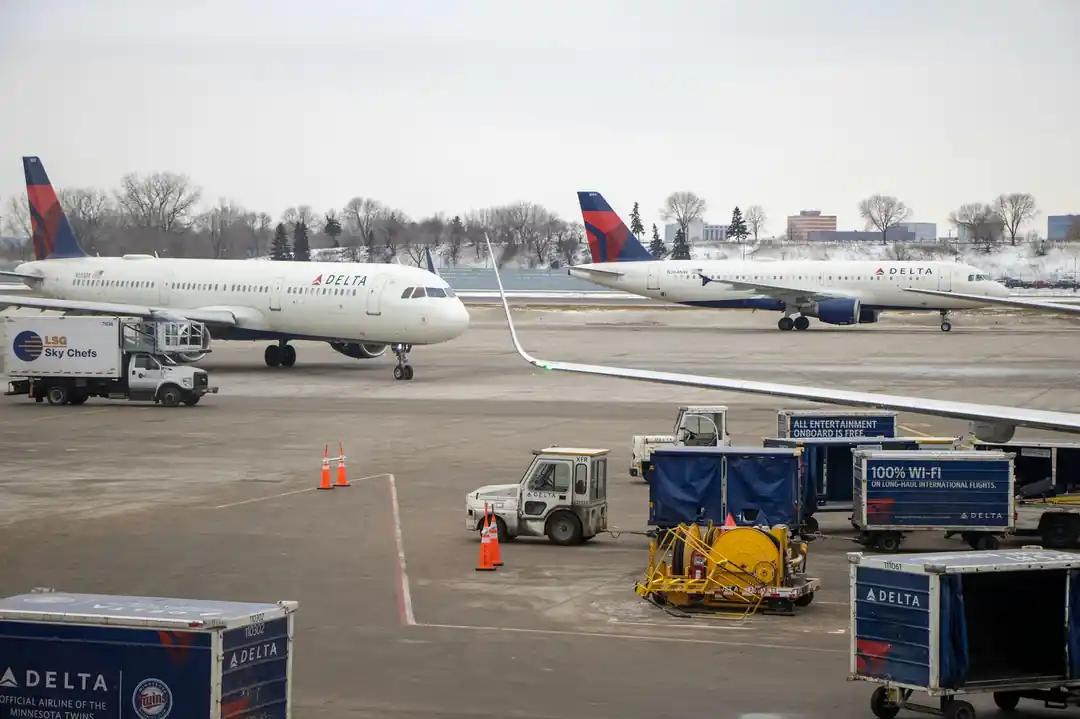
While they don't have the massive fleets of de-icing trucks you'd see in Minneapolis, they do have plans in place. According to my research, major airports in northern Florida do have de-icing equipment and trained staff. However, their resources are limited. An unexpected ice event can still cause significant delays because they simply can't service dozens of aircraft as quickly as a cold-weather airport could. For instance, a plane might have to wait its turn for the airport's limited de-icing resources, a process that can take time and throw schedules into disarray. It’s a calculated risk; it doesn't make financial sense to invest millions in equipment that might be used once every few years.
What It Means for You, the Traveler
So, what's the takeaway from all this? It's a lesson in preparedness and perspective. When flying to or from Florida in the winter, you can't just look at the local weather.
First, always check the weather at your connecting and destination airports. A beautiful day in Tampa won't help you if your flight is coming from a city that's been shut down by a winter storm. Use your airline's app to track your inbound aircraft; it will give you the earliest possible indication of a potential delay.
Second, understand that de-icing is a safety-critical procedure. If you're on a rare Florida flight that needs to be de-iced, be patient. The ground crew is working to ensure the wings are free of any ice, which can dangerously affect aerodynamics. It’s a step you absolutely do not want them to skip.
Finally, pack smart. This advice is universal, but it’s especially true for winter travel. Always keep essentials like medications, a phone charger, and a change of clothes in your carry-on. If your flight gets unexpectedly canceled and you have to stay overnight, you'll be glad you did.
Ultimately, while Florida airports are not built like their northern cousins, they are far from unprepared. Their primary battle is with the logistical chaos caused by storms elsewhere, a challenge they manage with impressive efficiency. And for those rare moments when winter does decide to visit, they have the necessary plans in place to ensure safety, even if it means a few delays. It’s a reminder that in the world of travel, it pays to expect the unexpected—even in the land of sunshine.

Does It Snow in Georgia? The Chilly Truth About Winter in the Peach State
When Florida Shivers: How Cold Snaps Impact Public Transportation
Related Posts
 TRANSPORT
Beyond the Highway: Finding Canada's Soul on a Western Rail Adventure
Forget road trips. I'm talking about rediscovering the romance of travel on Via Rail's most scenic routes through the heart of the Canadian West. It’s an experience that changes you.
 TRAVEL TIPS
The Unwritten Rules of the North: What to Know Before Camping in Canada
Heading to the Great White North for a camping trip? It's an amazing idea. But from campfire etiquette to wildlife wisdom, here’s what you need to know before you go.

Popular Posts

Rethinking Non-Profit Promotion: Creative Strategies That Actually Drive Event Impact

Beyond Stark White: The Best Interior Paint Colors to Light Up Your New Space

How to Actually Master a New Language on Your Own (No Magic Gene Required)
