Does It Snow in Georgia? The Chilly Truth About Winter in the Peach State
Thinking of Georgia and snow in the same sentence? It happens more than you think, but it's a tale of two very different regions. Here's what you need to know.
When you picture Georgia, what comes to mind? Probably sprawling peach orchards, warm summer nights, and the bustling streets of Atlanta. Snow is likely not the first thing on that list. For many, the idea of a snowy day in the Peach State sounds like a bit of a myth, something that happens once in a blue moon. And honestly, depending on where you are in the state, that’s not entirely wrong.
But to say it never snows in Georgia would be a mistake. The truth is a little more complicated and a lot more interesting. Georgia’s relationship with snow is a story of geography, elevation, and regional quirks. From the sun-drenched coastal plains to the high peaks of the Appalachians, the answer to "Does it snow in Georgia?" changes dramatically.
I used to think of Georgia as a place you go to escape the cold. But after digging into it, I've realized it holds a few winter secrets. So, let's unpack the chilly reality of snowfall in this iconic Southern state. It’s a tale of two very different winters coexisting in one place.
A Tale of Two Georgias: Mountains vs. Metro
The biggest factor determining snowfall in Georgia is elevation. The state is essentially split into two distinct climate zones: the mountainous northern region and the flatter, lower-lying central and southern parts. This geographical divide is where the story of Georgian snow really begins.
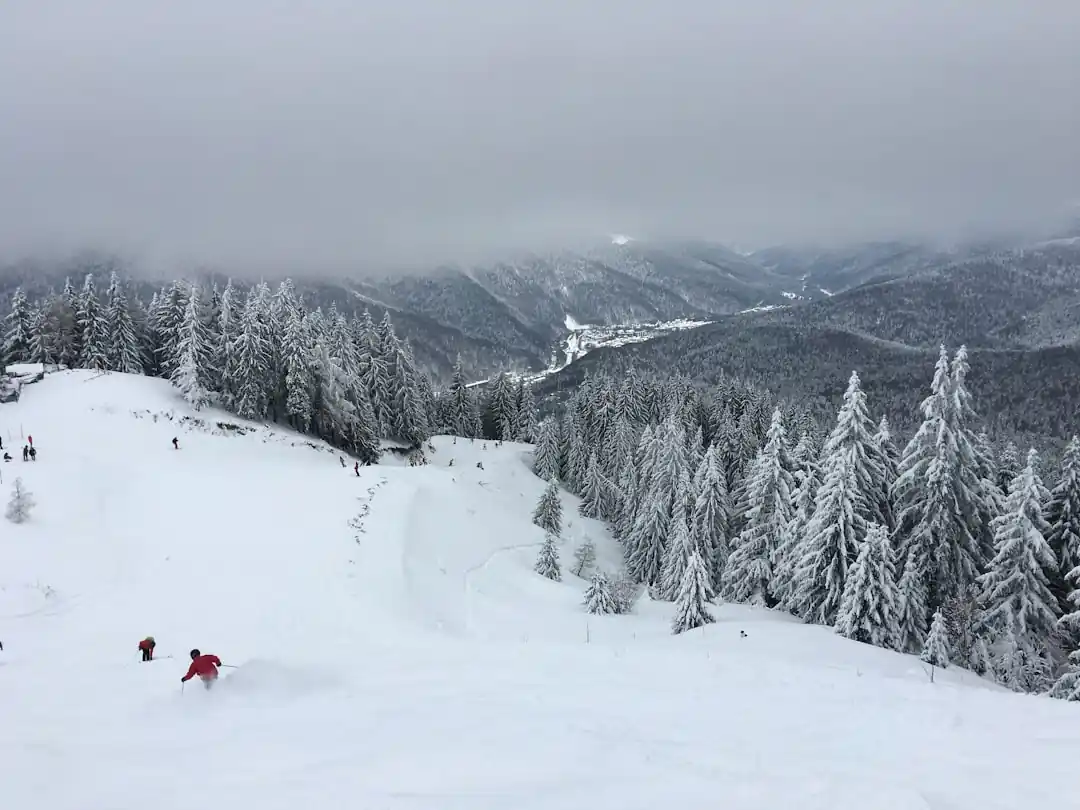
In the North Georgia mountains, snow isn't just a possibility; it's an expected part of winter. Counties like Rabun, Union, and Fannin are nestled in the Blue Ridge Mountains, and their higher elevations create the perfect conditions for colder temperatures and, consequently, snow. Some of the highest peaks, like Brasstown Bald, can see a respectable 30 to 40 inches of snow per season. For residents here, a few snow days each winter are pretty standard, with seasonal averages ranging from 4 to 18 inches depending on the specific location. It's a far cry from a tropical paradise and feels more like a classic winter wonderland.
Then there's the rest of Georgia. As you move south into the Piedmont region, which includes major cities like Atlanta and Athens, the picture changes drastically. Here, snow is more of a novelty than a regular occurrence. Atlanta, for example, averages just under 3 inches of snow for the entire year. While it does happen, it's often a light dusting that melts by midday. A significant snowstorm that shuts down the city is a major event, something people talk about for years (anyone remember the "Snowpocalypse" of 2014?). For most of central and southern Georgia, seeing snow might happen only once every other year, if at all.
When to Expect Flurries (If You're Lucky)
So, if you're a snow-seeker hoping to catch a glimpse of a wintery landscape in Georgia, when should you plan your trip? Across the entire state, the most likely months for any kind of snowfall are December and January. This is when the temperatures are at their lowest, creating the best possible chance for precipitation to fall as snow rather than rain.
In the northern mountains, this is peak season for cozy cabin getaways. The cold air settles into the valleys, and the chances of waking up to a snow-covered view are highest. It's a time when the region truly leans into its four-season identity, offering a peaceful, chilly retreat from the relative warmth of the state's lower elevations.
For Atlanta and the surrounding metro areas, January is the month to watch. If a snow event is going to happen, it's most likely to occur then. However, it's important to set expectations. A "snow day" in Atlanta often means a flurry in the air and maybe a light coating on grassy surfaces. The infrastructure isn't built to handle heavy snow, so even a small amount can cause significant disruption, leading to school and business closures. It becomes a communal event, with everyone rushing to the grocery store for milk and bread at the first sign of a flake.
The Southern Outliers: A Rare and Magical Sight
What about the southern and coastal parts of Georgia? Places like Savannah and the Golden Isles are famous for their Spanish moss, historic squares, and mild winters. Snow here is exceptionally rare. For these areas, a measurable snowfall is a once-in-a-generation event. The proximity to the warm waters of the Atlantic Ocean typically keeps temperatures well above freezing, even in the dead of winter.
When it does snow in these southern regions, it's nothing short of magical. It’s a bizarre and beautiful sight to see palm trees and historic architecture draped in a delicate layer of white. These events are so infrequent that they become cherished memories for the communities that experience them. It’s a reminder that even in the most predictable of climates, nature can still offer a wonderful surprise.
So, while you certainly shouldn't move to Savannah expecting to build a snowman every year, you can hold onto the tiny possibility that you might one day witness a truly unique weather event. It’s this unpredictability that makes the rare southern snow so special.
Ultimately, Georgia offers a fascinating spectrum of winter experiences. Whether you're looking for a guaranteed snowy mountain escape or hoping to be in Atlanta for that one surprise snow day of the year, the Peach State keeps things interesting. It’s a place of contrasts, where a short drive can take you from a mild, snowless landscape to a chilly mountain haven. And that’s part of its charm.
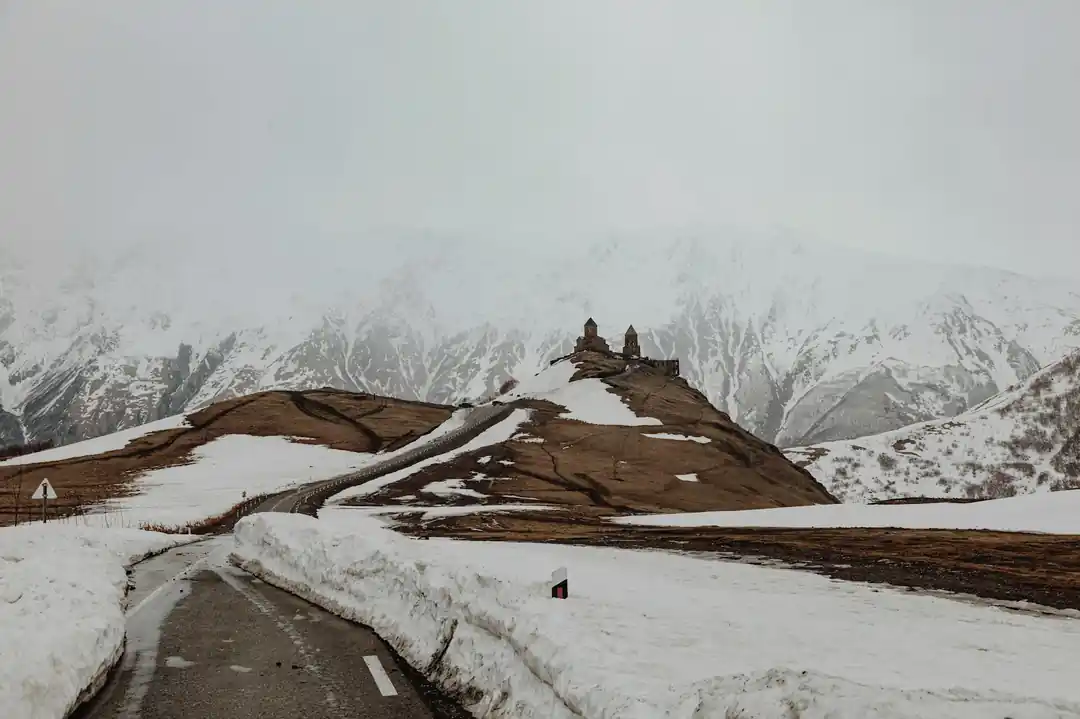
Georgia's Winter Charm: More Than Just Peaches
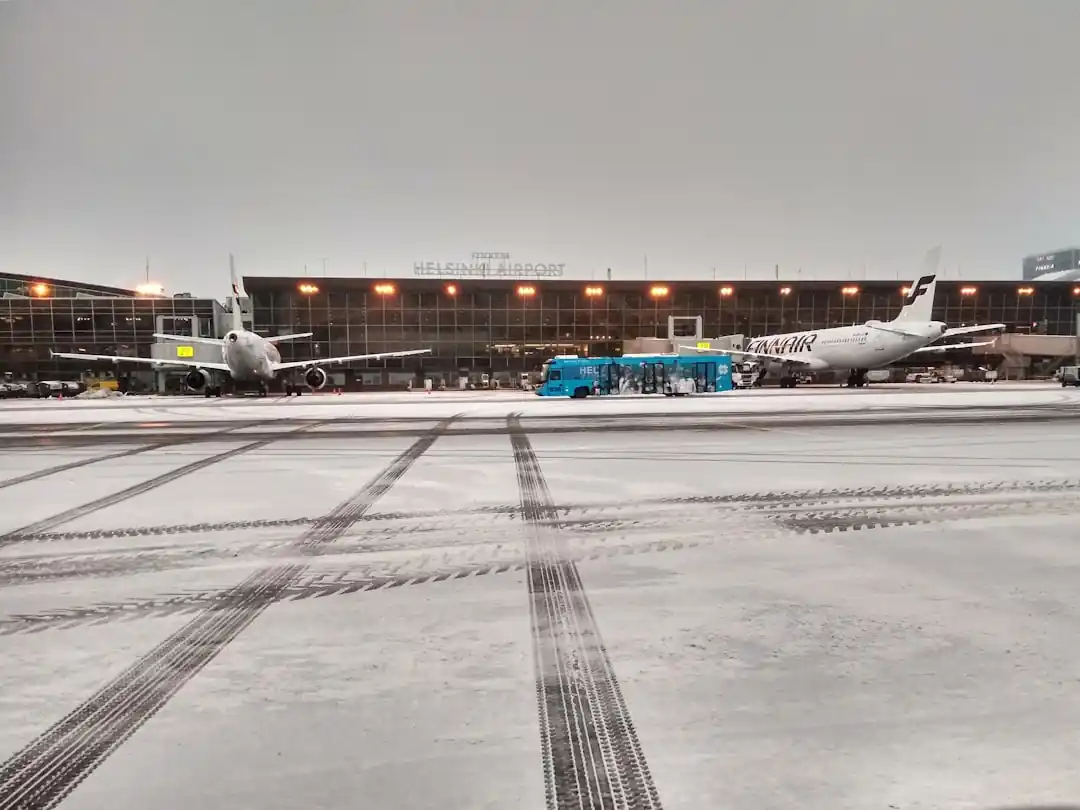
When Sunshine Meets Snow: Are Florida Airports Ready for Winter's Surprise?
Related Posts
 TRANSPORT
Beyond the Highway: Finding Canada's Soul on a Western Rail Adventure
Forget road trips. I'm talking about rediscovering the romance of travel on Via Rail's most scenic routes through the heart of the Canadian West. It’s an experience that changes you.
 TRAVEL TIPS
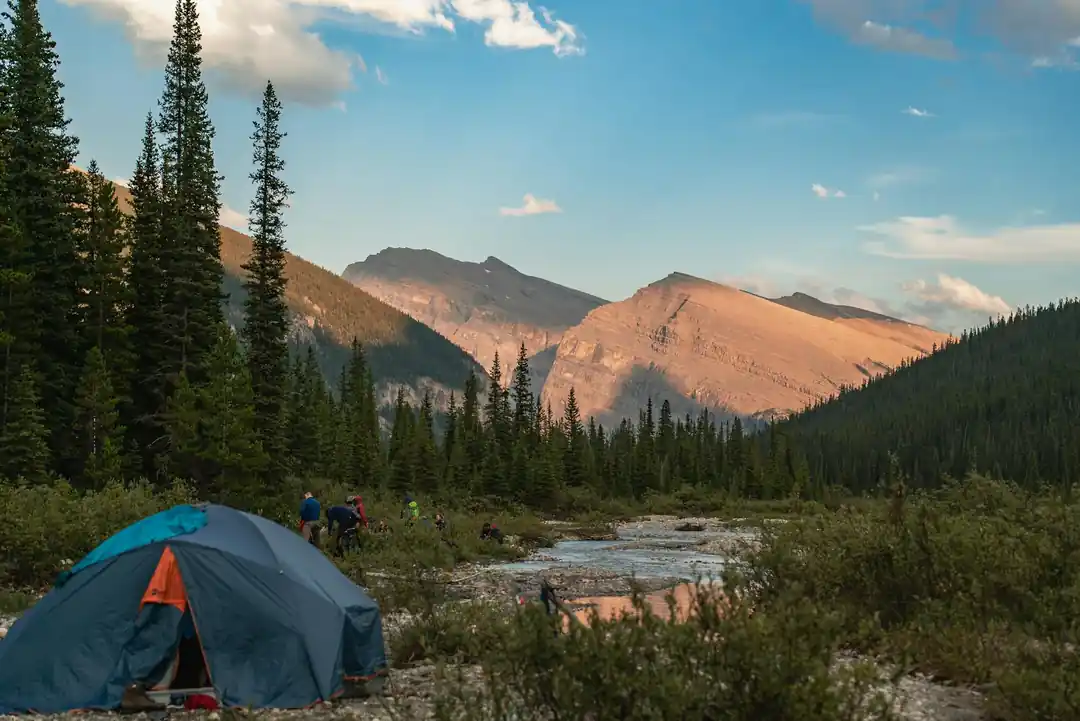
The Unwritten Rules of the North: What to Know Before Camping in Canada
Heading to the Great White North for a camping trip? It's an amazing idea. But from campfire etiquette to wildlife wisdom, here’s what you need to know before you go.

Popular Posts

Rethinking Non-Profit Promotion: Creative Strategies That Actually Drive Event Impact

Beyond Stark White: The Best Interior Paint Colors to Light Up Your New Space

How to Actually Master a New Language on Your Own (No Magic Gene Required)
