Ever dream of flying through the air with grace and power? You don't need a fancy gym to start your gymnastics journey. Here's how to begin right in your living room.
Have you ever watched the Olympics, completely mesmerized by the gymnasts? There's a certain magic to the way they combine raw power, delicate balance, and incredible flexibility. It can feel like a superpower, something reserved for a select few who started training as toddlers. But what if I told you that the core of that journey, the very first steps, can begin right where you are, in your own home?
Honestly, I used to think the same thing—that the gymnastics ship had sailed for me. The idea of starting as an adult felt intimidating, almost impossible without access to a professional gym with foam pits and spring floors. But the truth is, the foundational elements of gymnastics are accessible to everyone. It’s about building a relationship with your body, understanding its limits, and gently pushing them, day by day.
This isn't about preparing for the 2028 Olympics in your living room. It's about reclaiming your body's natural potential for movement. It’s about building functional strength, surprising yourself with newfound flexibility, and learning the joyful discipline of bodyweight training. So, let's push the coffee table aside and explore how you can safely and effectively start your gymnastics journey at home.
Safety First: Your Living Room Gymnasium
Before you attempt a single forward roll, the absolute first priority is creating a safe space. This is non-negotiable. A gymnastics gym is designed for safety with padded surfaces and wide-open areas. Your home is... well, not. But with a little preparation, you can make it a perfectly suitable training ground for beginner skills.
Start by clearing a generous perimeter. You'll need more space than you think, especially when you're just starting and your movements might be less controlled. Move furniture like coffee tables, chairs, and floor lamps well out of the way. Pay attention to the floor itself—hardwood or tile is unforgiving. If you have a carpeted area, that’s a great start. If not, investing in a good quality exercise mat is crucial. We’re not talking about a thin yoga mat, but a thicker panel mat or tumbling mat, at least 1.5 to 2 inches thick. It will be your single most important piece of equipment.
Also, be mindful of what's above you. Low-hanging light fixtures or ceiling fans are definite hazards. And check your surroundings for sharp corners on remaining furniture or walls. The goal is to create a "safe zone" where you can move, and yes, even fall, without risk of injury. It sounds like a lot, but this one-time setup is the most important part of building a sustainable and safe home practice.
The Foundation: Building Strength and Flexibility
Gymnastics looks like it’s all about flips and graceful poses, but underneath it all is a deep foundation of strength and flexibility. Without these, progress is impossible and the risk of injury skyrockets. The good news is that you can build a powerful base with nothing but your own body weight. This is where the real work begins, and honestly, it's incredibly rewarding.
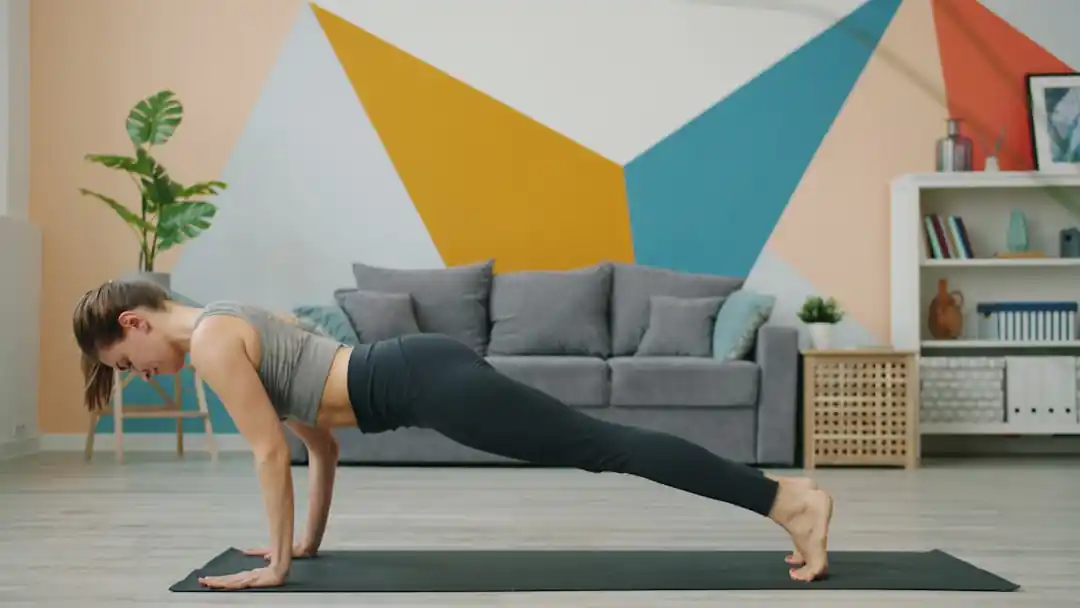
Let's talk strength first. You need to develop strength throughout your entire body. For your upper body and core, nothing beats the plank. It teaches your body to stay tight and aligned, which is fundamental for almost every gymnastics skill. Start by holding it for 30 seconds with perfect form (a straight line from your head to your heels) and gradually increase the time. Push-ups are also your friend, building the shoulder and arm strength needed for handstands and support holds. Don't worry if you can't do a full one yet; start on your knees and work your way up. For your lower body, bodyweight squats and lunges are perfect for building powerful legs for jumping and tumbling.
Flexibility is the other side of the coin. It’s what gives gymnastics its beautiful, long lines. You should dedicate time in every session to stretching, but only after your muscles are warm. Never stretch cold. Focus on the three main areas for gymnastics: the pike (legs straight out in front, reaching for your toes), the straddle (legs open to the sides, reaching forward), and the bridge (pushing up from your back to open your shoulders and spine). Go slowly, breathe into the stretch, and never push into sharp pain. Flexibility takes time—be patient and consistent, and you will see progress.
Your First Skills: Mastering the Basics
Once you feel you're building a solid base of strength and flexibility, you can start exploring some basic gymnastics shapes and movements. The key here is to move slowly and with intention. The goal isn't to nail it on the first try, but to understand the mechanics of the movement and how it feels in your body.
Start with the most fundamental of all: the forward roll. Find your mat, squat down, tuck your chin to your chest (this is critical for safety!), place your hands on the mat, and push off your feet to roll over your rounded back, coming back up to your feet. It might feel clumsy at first, but focus on being as round as a ball. Another great beginner drill is the log roll. Lie flat on your back with your arms extended overhead, keeping your whole body tight, and roll from your back to your stomach and back again without letting your arms or legs flop around. It sounds simple, but it’s a masterclass in core control.
Ready for a little more challenge? Let's try a handstand against a wall. This is a fantastic way to get comfortable being upside down and build serious shoulder strength. Face away from a wall, place your hands on the floor about a foot away from it, and walk your feet up the wall until your body is in an "L" shape. Just hold it there, keeping your arms straight and your core engaged. Start with 10-15 seconds and build up. Remember to breathe! These simple skills are the building blocks for everything that comes after, so practice them until they feel second nature.
Weaving It All Together
It’s one thing to practice individual exercises, but it’s another to put them together into a routine. Creating a small sequence helps with flow, endurance, and making your practice feel more like, well, gymnastics! Don't overthink it; the goal is to move continuously and mindfully for a set period.
Here’s a sample beginner routine you could try:
- Warm-up (5-10 minutes): Light cardio like jogging in place, jumping jacks, and arm circles.
- Strength (10 minutes): Three rounds of: 30-second plank hold, 5-10 push-ups (on knees or toes), and 10 bodyweight squats.
- Skill Work (10 minutes): Practice 5-8 forward rolls, focusing on a smooth tuck. Follow that with 5-8 log rolls in each direction. Finish with three 15-second handstand holds against the wall.
- Flexibility (10 minutes): Cool down with your stretches. Hold each for at least 30 seconds: pike stretch, straddle stretch, and a gentle bridge.
This entire routine takes just over 30 minutes. It’s a balanced and effective way to ensure you’re working on every component of your new gymnastics practice. As you get stronger and more confident, you can increase the hold times, the number of reps, or even start exploring new, simple skills.
The journey into gymnastics is a marathon, not a sprint. There will be days you feel strong and graceful, and days you feel like a clumsy toddler. Both are part of the process. The most important thing is to listen to your body, respect its limits, and celebrate the small victories along the way. Enjoy the incredible feeling of discovering what your body is capable of.
So You Want to Be a Stunt Performer? Here's What It Really Takes
How to Build Your Football Coaching Philosophy From the Ground Up
Related Posts
 NUTRITION
The Simple Pre-Workout Fueling Strategy That Saved My Long Runs
Discover how timing your carbohydrates and embracing simple foods can eliminate mid-workout fatigue and unlock your true endurance potential.
 FITNESS
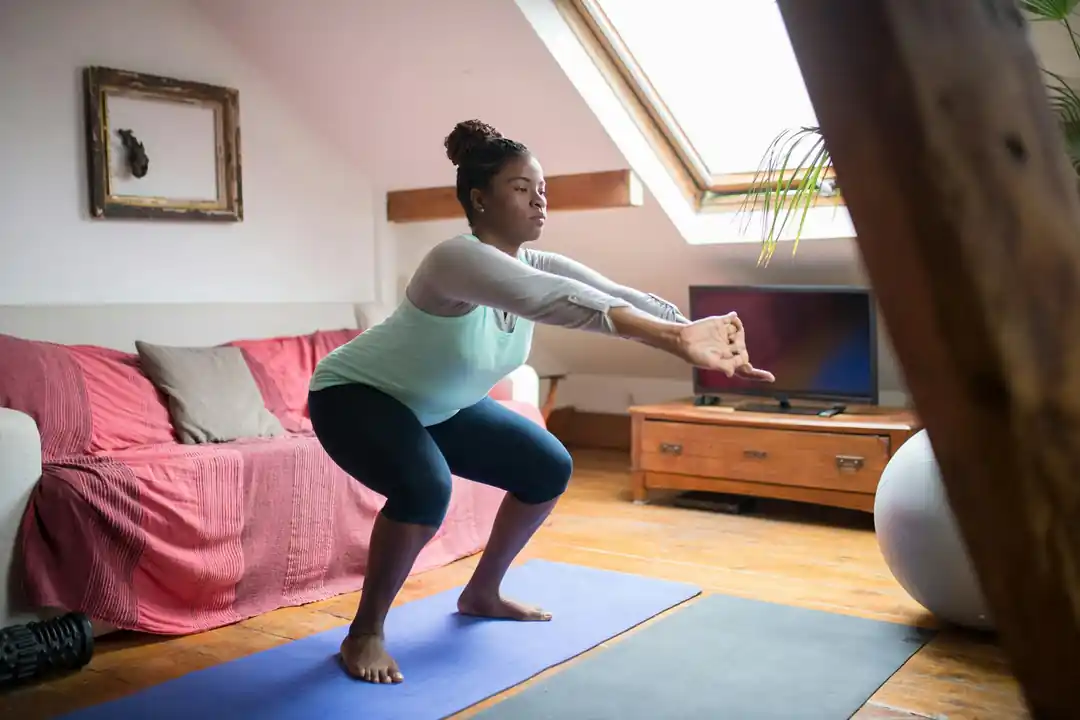
No Gym, No Problem: The Ultimate Guide to Bodyweight Fitness at Home
Forget expensive memberships. Discover how to build serious strength and transform your body using the most powerful tool you already own: yourself.

Popular Posts

Rethinking Non-Profit Promotion: Creative Strategies That Actually Drive Event Impact

Beyond Stark White: The Best Interior Paint Colors to Light Up Your New Space

How to Actually Master a New Language on Your Own (No Magic Gene Required)