The Real Guide to Staying Safe While Traveling in Nigeria
Thinking about a trip to Nigeria? It's a place of incredible energy and culture. Let's cut through the noise and talk about how to travel smartly and safely.
Let’s have a real conversation about something that’s been on my mind a lot: traveling to Nigeria. Whenever I mention it, the first question is almost always, “But is it safe?” And I get it. For years, the headlines have painted a pretty intimidating picture. It’s a narrative that’s hard to ignore, but honestly, it’s also incomplete. Nigeria is a vast, complex, and profoundly beautiful country, and boiling it down to a single story of danger does it a massive disservice.
The truth is, safety in Nigeria isn't a simple yes or no answer. It’s a country of over 200 million people, with bustling megacities like Lagos and Abuja, serene natural landscapes, and a cultural depth that is simply staggering. To travel here is to immerse yourself in a place that is alive in a way few places are. I’ve been doing a ton of research, talking to people who have been, and the consensus is clear: with the right preparation and a healthy dose of awareness, a trip to Nigeria isn’t just possible, it can be the adventure of a lifetime.
So, let’s move past the fear and get into the practical. How do you actually navigate this incredible West African nation in a way that is both safe and enriching? It starts not with anxiety, but with respect—for the culture, for the realities on the ground, and for your own intuition.
Before You Go: The Homework That Really Matters
I can't stress this enough: a smooth trip to Nigeria begins long before you board the plane. This is the phase where you lay the groundwork for a secure and low-stress journey. Think of it as building a foundation of confidence for your adventure. It’s not about planning every second, but about creating a safety net so you can be more present when you’re there.
First, let's talk health. Nigeria is in the tropics, and that comes with specific health considerations. Malaria is prevalent, so a conversation with your doctor about anti-malarial medication is an absolute must. Beyond that, vaccinations for things like yellow fever (often required for entry), typhoid, and hepatitis A are highly recommended. It’s a small step that takes a huge weight off your mind. Also, comprehensive travel insurance, especially a policy that includes medical evacuation, is non-negotiable. Local healthcare facilities can be overwhelmed, and knowing you have a backup plan is priceless.
Next up is your itinerary. This is where you need to be a savvy traveler. Government travel advisories can seem alarming, but they contain valuable specifics. They often point to particular regions to avoid, usually in the far north or parts of the Niger Delta, due to risks of kidnapping and civil unrest. This doesn't mean the entire country is off-limits. Focus your plans on more stable and tourist-friendly areas like Lagos, Abuja, or Calabar. And please, resist the urge to look like a target. Leave the flashy jewelry, designer bags, and expensive watches at home. The goal is to blend in, not to stand out.
On the Ground: Navigating with Confidence
Once you arrive, the energy of Nigeria hits you, and it's exhilarating. This is where your street smarts become your best friend. In major cities like Lagos, ride-hailing apps like Uber and Bolt are your go-to for getting around. They are generally considered much safer than hailing an unmarked taxi off the street, as they provide a digital trail and a level of accountability. For longer distances between cities, the consensus is pretty clear: avoid road travel if you can. If you must travel by car, hire a trusted, vetted private driver, preferably through a reputable hotel or security firm, and only travel during daylight hours.
Financial safety is another key area. It's wise to have a mix of cash (the Nigerian Naira) for small purchases at local markets and cards for larger expenses at established businesses. However, be discreet. Don't pull out large wads of cash in public. When using an ATM, choose one that is inside a bank or a secure, well-lit location. I’ve read a lot about common scams, and they often involve creating a distraction. Someone might “accidentally” bump into you or cause a commotion while an accomplice goes for your pockets. Being aware of your surroundings, especially in crowded places like markets, is your best defense.
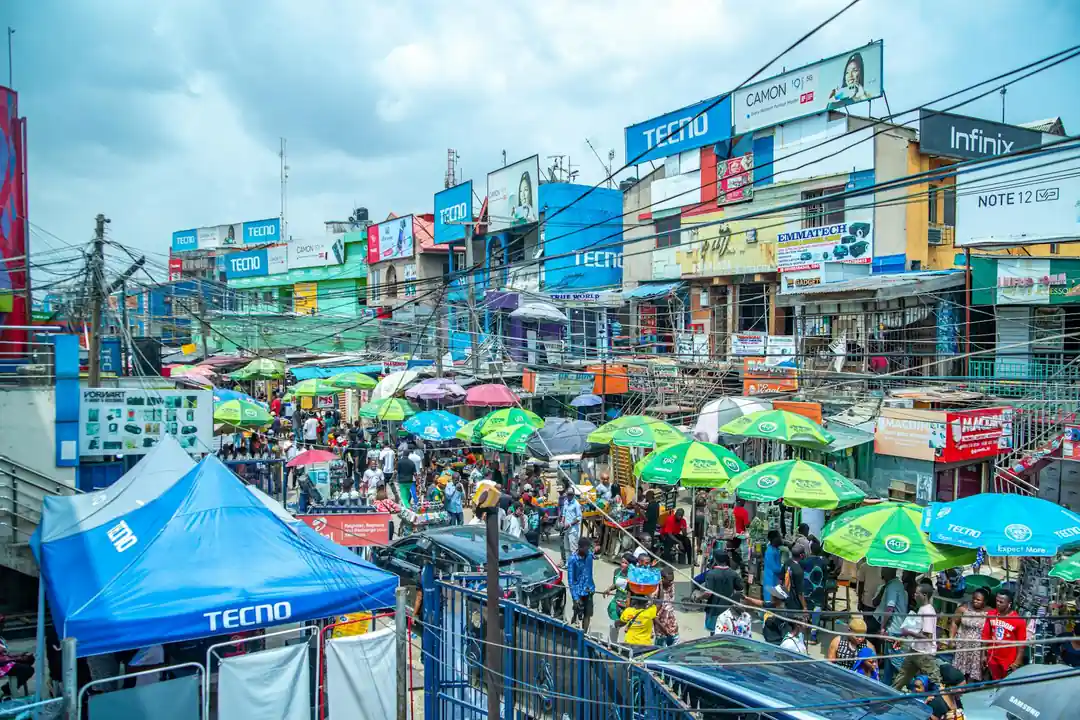
One of the most important things I’ve learned from my research is the power of local connections. If you can, arrange for a local guide or have a trusted contact in the country. Their knowledge is invaluable. They can help you navigate, translate, and understand cultural nuances that you’d otherwise miss. This isn’t just a safety tip; it’s a way to have a much richer, more authentic experience.
Cultural Connections: Engaging with an Open Heart
This, for me, is the most exciting part. Nigerian culture is incredibly rich, warm, and welcoming, but it’s also built on a deep foundation of respect. Understanding a few social graces can transform your interactions from transactional to truly meaningful. For instance, greetings are a big deal. A simple "Good morning" or "How are you?" before launching into a question is essential. When you’re interacting with someone older, using "Sir" or "Ma" is a sign of respect that is deeply appreciated.
Be mindful of photography. Always, always ask for permission before taking someone’s picture. While many people are happy to oblige, it’s considered rude to just snap away without asking. Also, the right hand is used for eating and for exchanging items, including money. Using your left hand for these things can be seen as unclean or disrespectful. These might seem like small things, but they show that you’re a traveler who has taken the time to learn and who comes with a spirit of humility and respect.
Ultimately, traveling safely in Nigeria is about finding a balance. It’s about being prepared for the challenges without letting them overshadow the immense beauty and joy the country has to offer. It’s about keeping your wits about you, but also keeping your heart open. The stories you hear shouldn't just be about caution; they should also be about the incredible music, the art, the food, and the resilient, vibrant spirit of the Nigerian people.
Go with awareness, go with respect, and you might just find that Nigeria is the most rewarding place you’ve ever been. I hope you have a journey that not only feels safe but also deeply moves and inspires you.

Unlocking Nigeria: Your Ultimate Guide to Finding the Best Flight Deals
More Joy, Less Jingle: A Guide to Holiday Travel with Your Furry Co-Pilot

Related Posts
 TRANSPORT
Beyond the Highway: Finding Canada's Soul on a Western Rail Adventure
Forget road trips. I'm talking about rediscovering the romance of travel on Via Rail's most scenic routes through the heart of the Canadian West. It’s an experience that changes you.
 TRAVEL TIPS
The Unwritten Rules of the North: What to Know Before Camping in Canada
Heading to the Great White North for a camping trip? It's an amazing idea. But from campfire etiquette to wildlife wisdom, here’s what you need to know before you go.
Popular Posts

Rethinking Non-Profit Promotion: Creative Strategies That Actually Drive Event Impact

Beyond Stark White: The Best Interior Paint Colors to Light Up Your New Space

How to Actually Master a New Language on Your Own (No Magic Gene Required)
