A journey into the heart of Saudi tradition is a journey in respect. Here’s a friendly guide for any American wanting to navigate the beautiful and nuanced world of Saudi customs with grace and an open heart.
There’s a certain kind of magic that happens when you step out of your comfort zone and into a culture that’s vastly different from your own. When I first considered a trip to Saudi Arabia, I’ll admit, my mind was a swirl of questions. What should I wear? How should I greet people? As an American, I was used to a certain way of doing things, and I knew that to truly experience the richness of this historic land, I needed to approach it with an open mind and a respectful heart.
Honestly, that willingness to learn and adapt made all the difference. What I discovered wasn't a rigid list of rules, but a beautiful, flowing dance of etiquette built on centuries of tradition, faith, and a deep, deep sense of community. It’s a culture that places immense value on hospitality and respect. Understanding these nuances isn’t just about “not offending” anyone; it’s about connecting with people on a genuine level and being welcomed into their world, not just as a tourist, but as a guest.
So, if you’re thinking about making the journey, I wanted to share a few things I’ve learned. Think of this less as a rulebook and more as a friendly conversation over coffee to help you navigate your adventure with confidence and grace.
The Art of the Greeting and Unparalleled Hospitality
First things first: hospitality is the cornerstone of Saudi society. It’s not just a nice gesture; it’s a sacred duty and a point of honor. From the moment you meet someone, you’ll likely be treated with a warmth and generosity that can be almost overwhelming in the best possible way. The traditional Arabic greeting, "As-Salamu Alaikum" (peace be upon you), is your golden key. Responding with "Wa Alaikum As-Salam" (and upon you be peace) is a simple act that immediately shows respect and good will.
When it comes to physical greetings, things can be a bit more nuanced, especially between genders. Men will often shake hands with other men, sometimes placing a hand on the opposite shoulder as a sign of warmth. However, as a man, you should wait for a woman to extend her hand first. If she doesn’t, a simple nod and a smile, or placing your right hand over your heart while giving the verbal greeting, is a perfectly polite and respectful acknowledgment. This isn’t a sign of unfriendliness; it’s a reflection of cultural and religious norms around modesty and personal space.
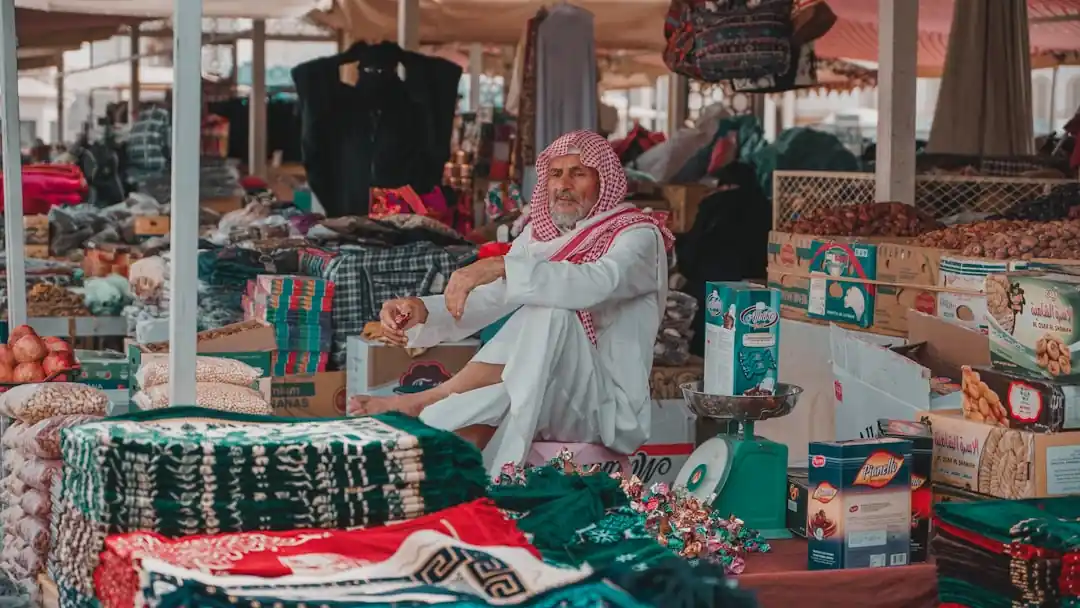
This spirit of welcome extends into their homes and social gatherings. If you are invited to a Saudi’s home, it is a tremendous honor. You will almost certainly be offered Arabic coffee (Qahwa) and dates. Even if you’re not a coffee drinker, it’s polite to accept at least a small cup. The coffee is often poured from a traditional pot called a dallah into a small cup with no handle, called a finjan. Your host will continue to refill it until you signal you’ve had enough by gently shaking the cup from side to side. It’s a beautiful, silent language of hospitality.
Navigating Dress Code and Public Spaces
For many Western visitors, the dress code is one of the biggest points of curiosity. The key principle to remember is modesty. While the rules have become more relaxed for foreign visitors in recent years, dressing conservatively is a clear sign of respect for the local culture. It shows that you are a thoughtful visitor who has taken the time to understand their values.
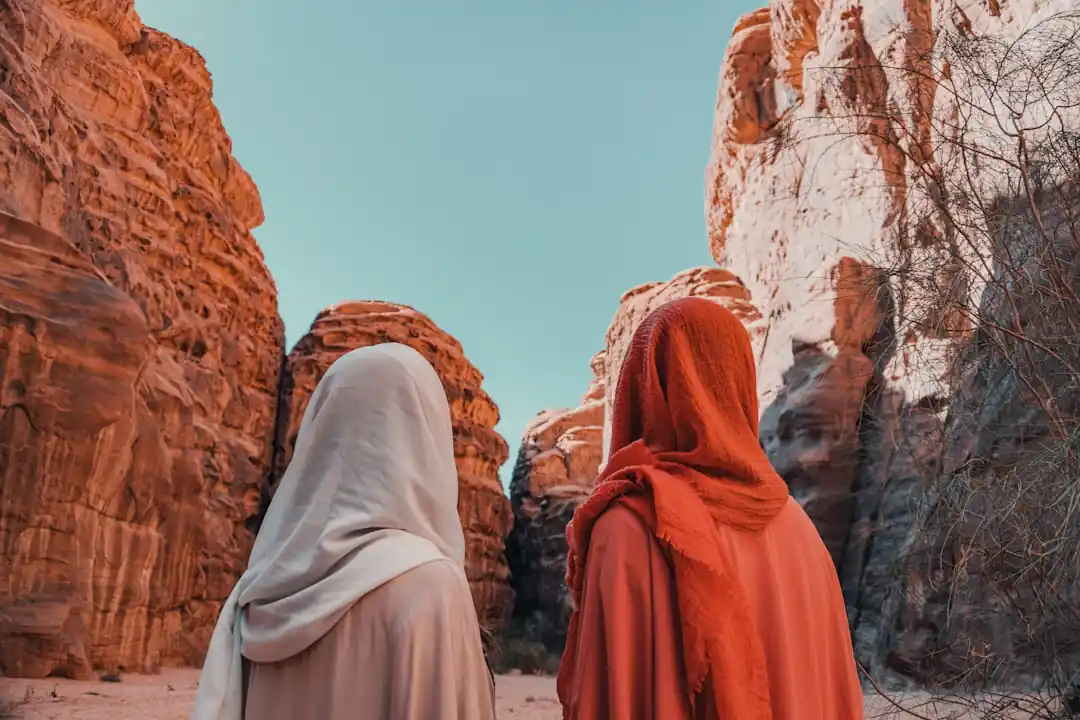
For women, this means ensuring your shoulders and knees are covered. Loose-fitting clothing is not only more respectful but also far more comfortable in the warm climate. While the abaya (the traditional black cloak) is no longer mandatory for foreign women, many find it to be a convenient and comfortable garment to wear over their clothes. It’s also a good idea to carry a scarf with you, as you may be required to cover your hair when entering mosques or other religious sites.
Men are also expected to dress modestly. This generally means wearing long pants and shirts with sleeves. It’s best to avoid shorts and tank tops when you’re out and about in public. Again, think conservative and respectful. This simple act of adjusting your wardrobe can significantly impact how you are perceived and can lead to warmer, more welcoming interactions with locals. It’s a small effort that goes a long way.
Dining Etiquette and Social Graces
Sharing a meal is a central part of social life in Saudi Arabia. If you’re invited to dine, prepare for a feast! Generosity is paramount, and your host will want to ensure you are more than well-fed. Meals are often served on a large mat on the floor, and it’s customary to remove your shoes before entering the home and walking on the carpets.
One of the most important rules of etiquette to remember is to use your right hand for everything, especially eating. The left hand is traditionally considered unclean, so whether you are eating with your hands (as is common) or with utensils, always use your right. When eating from a communal dish, it’s polite to eat from the section directly in front of you.
Don’t be surprised if your host continuously offers you more food. This is a sign of their generosity and a way of honoring you as a guest. It’s polite to accept at least a second helping, but when you are truly full, you can politely decline by saying "Shukran" (thank you) and placing your right hand over your heart. Complimenting the food is always a wonderful way to show your appreciation for the effort and care that went into preparing the meal.
Your journey through Saudi Arabia will be one of incredible sights, from futuristic cities to ancient desert landscapes. But beyond the visuals, it’s the human connections that will stay with you. By taking the time to understand and respect the customs that shape this unique culture, you open yourself up to a world of warmth, generosity, and unforgettable experiences. It’s a trip that will not only show you a new part of the world but might just teach you something new about yourself, too.

First Bite of the Big Apple: 10 NYC Spots You Can't Miss
A Weekend in Munich: Walking Through Centuries of History

Related Posts
 TRANSPORT
Beyond the Highway: Finding Canada's Soul on a Western Rail Adventure
Forget road trips. I'm talking about rediscovering the romance of travel on Via Rail's most scenic routes through the heart of the Canadian West. It’s an experience that changes you.
 TRAVEL TIPS
The Unwritten Rules of the North: What to Know Before Camping in Canada
Heading to the Great White North for a camping trip? It's an amazing idea. But from campfire etiquette to wildlife wisdom, here’s what you need to know before you go.

Popular Posts

Rethinking Non-Profit Promotion: Creative Strategies That Actually Drive Event Impact

How to Actually Master a New Language on Your Own (No Magic Gene Required)

The Simple Pre-Workout Fueling Strategy That Saved My Long Runs