Discover modern, research-backed strategies for promoting non-profit fundraisers, from experiential marketing to hyper-local micro-influencers and cross-sector partnerships.
I used to think that as long as a non-profit had a compelling cause and a functional donation page, the support would naturally roll in. But if you have spent any time planning or promoting non-profit events recently, you have likely noticed a quiet shift in the air. The digital landscape has evolved dramatically, and standard promotional moves—like generic email blasts, emotional video clips, and standard gala invites—have become baseline expectations rather than powerful differentiators.
Every mission is vital, and almost every organization now has a slick donation landing page. That means your prospective supporters are constantly surrounded by appeals for their time, attention, and money. Simply building an event and posting a countdown timer on social media will rarely fill a venue or smash a fundraising target.
To break through that noise, successful fundraising campaigns require a blend of human-centric storytelling, smart donor data usage, and creative cross-sector collaborations. Moving past basic marketing tactics and looking at creative fundraiser ideas for non-profits reveals modern strategies that can genuinely revitalize your next fundraising effort.
Moving Beyond Table Stakes with Experiential Storytelling
Traditional storytelling will always be a cornerstone of non-profit work, but the way we deliver those stories needs an upgrade. Instead of asking supporters to read a text-heavy pamphlet or watch a passive promo video, modern promotional campaigns borrow heavily from experiential marketing. The goal here is to create visceral, memorable experiences that bridge the gap between an abstract mission and deep, emotional understanding.
When someone physically or interactively steps into a simulation of what your beneficiaries face, their connection shifts from passive sympathy to active personal conviction. Consider moving beyond standard 5K runs or static silent auctions to design immersive pop-up exhibits in accessible public spaces. For instance, a relief organization might set up a walkthrough installation featuring spatial audio and visual elements that guide visitors through the stages of displacement and resettlement.
Interactive public art projects also offer a powerful way to turn casual passersby into engaged advocates. A community mural painted in a central district can incorporate interactive QR codes that reveal underlying historical layers or personal testimonials as viewers scan them. On digital channels, replacing corporate-style video overviews with a first-person "day in the life" video series allows prospective donors to view challenges directly through the eyes of those you serve.
The trick to implementing experiential tactics without exhausting your resources is starting small. You do not need a massive production budget to test meaningful moments; a single interactive booth at a local weekend market can help your team gauge what resonates before scaling up. For larger public installations, collaborating with a dedicated marketing agency can help elevate the production quality, ensuring the experience drives both emotional impact and widespread media coverage.
Tapping Hyper-Local Voices over Celebrity Endorsements
Celebrity Endorsements
- • High upfront cost and outreach effort
- • Generates brief spikes in passive impressions
- • Skepticism toward distant, institutional-feeling campaigns
Hyper-Local Micro-Influencers
- • Cost-effective and highly organic
- • Deep credibility within niche neighborhoods
- • Drives active local sign-ups and event ticket sales
Local micro-influencers hold genuine community credibility that converts passive viewers into active event participants.
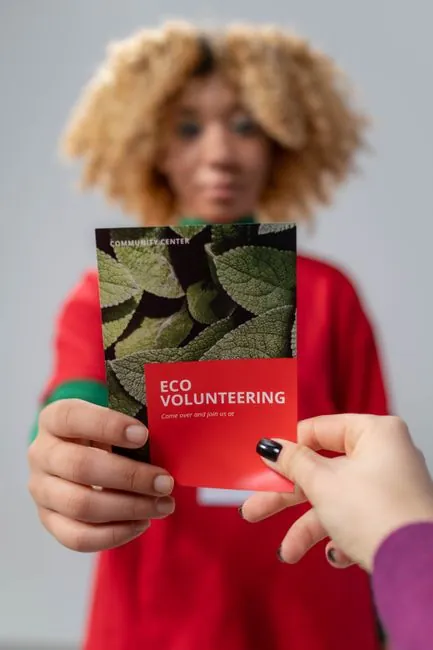
There is a long-standing myth in non-profit promotion that landing an A-list celebrity endorsement is the ultimate fundraising breakthrough. While a mega-influencer might generate a brief spike in impressions, it rarely translates into long-term community action or high-conversion event registrations. Audiences today tend to be skeptical of distant institution-level endorsements and corporate-feeling campaign ads. They trust people who live in their neighborhoods, frequent the same local spots, and care about shared community spaces—a community-first dynamic that also drives effective local sports marketing strategies across the country.
This is where hyper-local micro-influencers shine. These individuals might be neighborhood bloggers, local business owners, passionate program volunteers, or community organizers who hold deep credibility within a specific niche. When a local community leader talks about your upcoming fundraiser on their personal feed, their followers perceive genuine civic engagement rather than a sponsored marketing pitch.
To make micro-influencer strategies work, abandon rigid corporate scripts and focus on co-creating content. Instead of handing a influencer a templated promotional flyer, work together on something that offers real value to their specific audience while highlighting your mission. A local food writer, for example, could collaborate with an agricultural non-profit to create a seasonal recipe series using produce harvested directly from a community garden project.
When evaluating these creator partnerships, focus your metrics on meaningful local action rather than raw follower counts. Track volunteer sign-ups, localized ticket sales, and direct comment conversations instead of mere vanity impressions. Keeping these collaborations organic guarantees that your message feels authentic to the neighborhood, protecting your campaign from feeling overly commercialized.
Leveraging Data and Multi-Channel Communication Sequences
3-Stage Multi-Channel Email Sequence
1. Email 1: Education
Focus on educating your audience about the core goal and why the fundraiser matters.
2. Email 2: Impact
Build an emotional connection by highlighting real-world impact through beneficiary stories.
3. Email 3: Urgency
Drive registrations by showcasing auction items, guest performers, or upcoming deadlines.
Even the most creative event concept will stumble if the promotion is sent to the wrong people at the wrong time. Before launching any public advertising campaign, your team's most valuable asset is sitting right inside your donor database. Truly effective promotion relies on auditing past supporter behavior so you can speak to different audience segments with genuine relevance.
Take the time to analyze donor data points such as past event attendance, giving frequency, total donation size, and specific program interests. Sending a single generic blast email to your entire list is a missed opportunity. A monthly supporter who consistently contributes to a child advocacy fund should receive messaging that reflects their specific dedication, rather than a broad, generic appeal meant for first-time event attendees.
Personalization at scale builds immediate trust. Imagine receiving an invitation that says: "Peggy, thank you for being a loyal supporter of our mission. We appreciate your monthly donations toward our child advocacy fund. We know how important this cause is to you, so we wanted to personally invite you to our Annual Funds for Kids Gala." Clear details highlighting that auction proceeds will go straight back into that specific advocacy fund make the call-to-action personal, relevant, and compelling.
Once your donor groups are set up, build a deliberate multi-channel promotion schedule across your website, email lists, and social channels. Your website homepage should act as the core landing hub, featuring a warm welcome video, complete event logistics, past event photos, and a seamless registration form. Meanwhile, your email marketing should follow a structured sequence over several weeks:
- Email 1: Focus on education, explaining the core goal and why the event matters.
- Email 2: Highlight real-world impact through concrete beneficiary stories.
- Email 3: Build momentum and healthy urgency by previewing high-value auction items, guest performers, or registration deadlines.
Do not forget to activate your internal community as part of this multi-channel strategy. Encourage board members, staff members, and long-time volunteers to share personal stories and event links on their private feeds. Authentic shares from team members routinely achieve higher engagement rates than corporate page posts.
Gamifying the Giving Journey without Losing Mission Integrity
Engaging Gamification Tactics
- Digital Progress Trackers — Real-time progress bars linked to concrete real-world goals.
- Achievement Badges — Visual tokens like 'First-Time Donor' or 'Monthly Sustainer' to honor supporters.
- Tiered Challenges — Unique experiences, like virtual coffee chats, matching the donor's level of engagement.
- Peer-to-Peer Leaderboards — Friendly competition metrics for community teams and corporate partners.
Human nature is drawn toward visual progress, milestone achievements, and public recognition. Traditional non-profit campaigns often treat giving as a static financial transaction: a donor submits payment, receives an automated email receipt, and hears nothing else until the next major appeal. Integrating gamification elements into your campaign promotion transforms passive donors into active participants who feel invested in watching the total campaign move forward.
Digital progress trackers are one of the simplest ways to bring gamification to life. Placing real-time progress bars on your campaign landing page gives supporters instant visual confirmation of their contribution. To make this meaningful, tie progress bars directly to concrete real-world outcomes—showing how a $50 contribution supplies essential materials for three students, while awarding digital achievement badges like "First-Time Donor," "Volunteer Champion," or "Monthly Sustainer."
Tiered challenges add another layer of excitement, rewarding different levels of engagement with unique experiences. Early supporters might unlock behind-the-scenes video updates from field teams, while major donors might earn an invite to a virtual coffee chat with your program directors. Peer-to-peer elements—such as leaderboards for community fundraising teams or friendly volunteer hour challenges between local businesses—inject a spirit of lighthearted camaraderie into the effort.
The critical balance here is maintaining total mission integrity while introducing playful elements. Gamification should always serve to deepen the emotional connection to your cause, never to trivialize serious work. Keep your challenges framed around genuine impact goals—like reaching 1,000 meals served—rather than arbitrary points, ensuring that the serious heart of your work remains front and center.
Unexpected Cross-Sector Partnerships for Fresh Visibility
Non-profits frequently find themselves preaching to the choir, running campaigns that only circulate within familiar advocacy circles and existing donor networks. To tap into brand-new audiences, step outside the typical non-profit ecosystem and establish partnerships with commercial businesses operating in completely different spaces.
Picture a literacy organization collaborating with an independent neighborhood coffee shop during national reading month. Together, they launch a cause-branded seasonal latte where a dollar from every cup sold supports local literacy programs. Each coffee cup comes with a custom sleeve featuring a QR code that links patrons directly to audiobook samples or volunteer sign-up pages. The coffee shop enjoys a warm community campaign that drives foot traffic—an approach that can also boost restaurant profitability—while the non-profit gains visibility among hundreds of local customers who might never have visited their website.
These non-obvious partnerships work because they generate unique, media-worthy stories that catch the attention of local journalists and community members alike. When reaching out to potential corporate partners, focus on finding shared community values rather than simply asking for sponsorship checks. A native plant nursery might partner with an urban conservation non-profit, or a local fitness studio might host donation-based weekend classes for a youth wellness campaign.
Over time, these cross-sector touchpoints turn fundraising promotion from a series of routine asks into an ongoing feature of daily community life. Embedding your mission into everyday routines—like grabbing a morning coffee or attending a weekend workout—creates a steady stream of visibility that supports your organization long after the final event banner comes down.
Successful promotion is rarely about shouting louder or buying more ad space; it comes down to creating authentic touchpoints that make people feel seen, valued, and connected to something larger than themselves. When you blend thoughtful data segmentation, creative local partnerships, and immersive experiences, your event stops feeling like just another request for donations and starts feeling like a shared community movement.

The Unspoken First-Year Homeowner Playbook: How I Learned to Stop Fearing Maintenance
Beyond Stark White: The Best Interior Paint Colors to Light Up Your New Space

Related Posts
 MONEY
MONEYHow to evaluate public tech company tech innovations
A comprehensive guide on evaluating technology innovations within public tech companies using financial metrics, valuation frameworks, and market analysis.
 MONEY
MONEYMeta Platforms AI infrastructure spending trends in 2024
An analysis of Meta Platforms' aggressive 2024 AI infrastructure investments, capital expenditure shifts, and strategic focus on generative AI.