That creeping feeling when the utility bill arrives? It's time to fight back. Learn how to conduct a simple home energy audit to find hidden energy vampires and start saving money.
There’s a quiet hum in every home, a constant draw of energy that often goes unnoticed until that utility bill lands in your inbox. It’s a moment many of us dread, a stark reminder that our cozy sanctuaries are also significant energy consumers. But what if you could peek behind the curtain, understand where that energy is truly going, and then, armed with a little knowledge and a few simple tools, start reclaiming some of those hard-earned dollars? That’s the magic of a DIY home energy audit, and honestly, it’s far less daunting than it sounds.
I used to think energy audits were strictly for the pros, involving fancy equipment and a hefty price tag. While professional audits certainly offer a comprehensive, in-depth analysis, a do-it-yourself approach can uncover a surprising amount of waste and empower you to make immediate, impactful changes. Think of it as giving your home a thorough health check-up, identifying those sneaky energy vampires and drafty culprits that are silently inflating your bills. The U.S. Department of Energy estimates that simple DIY steps can help you uncover hidden problems and significantly lower your bills.
It’s about shifting from a passive homeowner to an active one. Instead of just accepting the monthly bill as a fixed cost of living, you start to see your home as a system you can optimize. This isn't about living in the dark or sacrificing comfort; it's about making your home work smarter, not harder. The sense of accomplishment that comes from finding and fixing a drafty window or identifying an energy-guzzling appliance is surprisingly satisfying.
What is a Home Energy Audit, Really?
Before you start picturing yourself in a hard hat, let's demystify the term. A home energy audit is simply a systematic check-up to determine where, when, and how your home uses energy. The goal is to identify sources of energy loss and find opportunities to improve efficiency, which in turn saves you money and makes your home more comfortable. It’s a game of detective work where the clues lead to a fatter wallet and a cozier living room.
There are two main paths you can take: the professional route or the do-it-yourself (DIY) route. A professional auditor, often certified by an organization like the Building Performance Institute (BPI), will use specialized equipment like blower doors to depressurize your house and infrared cameras to see heat loss. This provides an incredibly detailed, data-rich report. It’s a fantastic option if you suspect major issues or are planning a significant renovation.
However, a DIY audit is an empowering and highly effective first step that anyone can do. It relies more on careful observation and simple tools to spot the most common energy-wasting problems. You’d be amazed at what you can find on your own. From air leaks around windows and doors to insufficient insulation in the attic, these are the low-hanging fruit of energy savings, and tackling them can make a noticeable difference in your bills.
Your DIY Home Energy Audit Checklist
Ready to become your home's energy detective? This isn't about tearing down walls; it's about observation and a little bit of hands-on investigation. Grab a notepad, a flashlight, and maybe an incense stick (I’ll explain why later), and let’s get started on a room-by-room inspection.
First, let's hunt for air leaks, the number one energy waster in many homes. These are the sneaky gaps and cracks that let your conditioned air escape and outside air creep in. Your prime suspects are windows, doors, electrical outlets on exterior walls, and any place where different materials meet (like where the foundation meets the wall). On a breezy day, you can often feel these drafts with your hand. For a more scientific approach, light an incense stick and hold it near these areas. If the smoke wavers or gets sucked out, you’ve found a leak.
Next, head up to the attic. This is a huge source of energy loss, yet it's often out of sight, out of mind. Use a ruler to measure the depth of your insulation. The Department of Energy provides recommendations for insulation levels (R-value) based on your climate zone, but a good rule of thumb is that if you can easily see your ceiling joists, you probably need more insulation. Also, look for any signs of water damage or dark, dirty spots on the insulation, which can indicate air leaks.
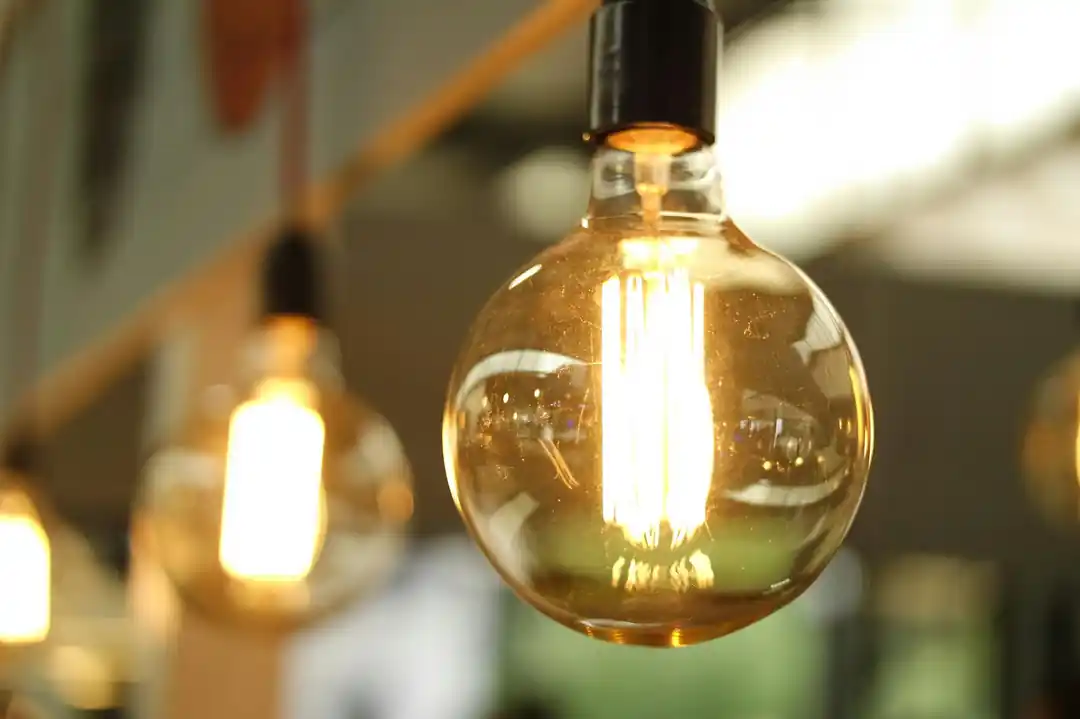
Don't forget your appliances and electronics. That old refrigerator in the garage or the gaming console that's always on standby are what we call "energy vampires." They suck power even when they're not in active use. A simple plug-in electricity usage monitor can be a real eye-opener here. You can buy one for under $30 and test your devices to see which ones are the biggest offenders. Finally, take a look at your lighting. If you're still using old incandescent bulbs, switching to LEDs is one of the fastest and easiest ways to cut your energy use.
When to Call in the Pros
While a DIY audit is a fantastic starting point, there are times when bringing in a professional is the right move. If you've done your own audit and implemented the easy fixes but your bills are still stubbornly high, a pro can dig deeper to find the root cause. They have the tools and training to uncover issues that are nearly impossible to find on your own.
A professional audit typically includes a blower door test, which is the gold standard for measuring a home's airtightness. By depressurizing your home, the auditor can use a smoke pencil or their hands to feel exactly where air is leaking in. It’s a definitive way to find every last crack and crevice. They also use infrared cameras, which create a visual map of your home's temperature differences. This allows them to "see" missing insulation in walls or find hidden air leaks that would otherwise be invisible.
The cost of a professional audit in the US can range from about $200 to $700, depending on the size of your home and the depth of the assessment. While it's an upfront investment, the detailed report you receive provides a prioritized action plan. It will tell you which upgrades will give you the most bang for your buck, allowing you to invest your money wisely. Plus, many utility companies and state programs offer rebates or incentives for professional audits, which can significantly lower the cost.
Turning Your Audit into Action (and Savings!)
An audit is only as good as the action you take afterward. The final, and most important, step is to use your findings to make improvements. The beauty of a DIY audit is that it often reveals a mix of easy, low-cost fixes and more significant potential upgrades, allowing you to choose what fits your budget and timeline.
Start with the simple stuff. Sealing air leaks with caulk and weatherstripping is a weekend project that can save you 10-20% on your heating and cooling costs. Adding foam gaskets behind the faceplates of outlets and switches on exterior walls is another cheap and easy fix. These small actions add up to a more comfortable home and immediate savings.
For the bigger-ticket items identified in your audit, like adding attic insulation or replacing an ancient furnace, think of them as long-term investments. An ENERGY STAR certified furnace, for example, might be a significant upfront cost, but it can pay for itself over its lifespan through lower energy bills. Create a priority list. Tackle the most critical and cost-effective projects first, and plan for the larger ones down the road.
Taking control of your home's energy use is a journey, not a destination. It starts with the simple act of looking around and asking questions. An energy audit, whether DIY or professional, is your map for that journey. It empowers you to stop passively paying for wasted energy and start actively creating a more efficient, comfortable, and affordable home. And that’s a project worth investing in.

Physical Silver vs. Silver ETFs: Which Shines Brighter for Your Portfolio?
A Plate Full of Luck: Unpacking the Most Delicious New Year's Day Food Traditions
Related Posts
 INTERIOR IDEAS
Beyond Stark White: The Best Interior Paint Colors to Light Up Your New Space
Discover how moving away from flat white walls to soft pale blues, earthy sage greens, and cozy warm neutrals can naturally brighten your home.
 HOME IMPROVEMENT
The Honest Winter Energy Guide: How I Cut Heating Costs Without Freezing
Practical, research-backed ways to keep your home warm and your utility bills reasonable this winter, from simple DIY sealing to smart habits.

Popular Posts

Rethinking Non-Profit Promotion: Creative Strategies That Actually Drive Event Impact
Beyond Stark White: The Best Interior Paint Colors to Light Up Your New Space

How to Actually Master a New Language on Your Own (No Magic Gene Required)
