Forget airport stress and embrace the romance of the rails. Here’s everything you need to know about exploring Europe by train, from booking tickets to can't-miss scenic routes.
There’s a certain kind of magic that’s unique to European train travel. For those of us from the US, where the car is king and flights are a necessary evil, the idea of gliding from one country to the next by rail feels like stepping into a classic film. It’s a slower, more intentional way to travel, one that replaces the frantic energy of airports with the gentle rhythm of the tracks. You trade sterile security lines for grand, historic stations and cramped airplane seats for panoramic windows that frame an ever-changing masterpiece of rolling hills, dramatic coastlines, and charming villages.
Honestly, my first time navigating the European train system was a mix of excitement and pure confusion. I remember standing in the middle of a bustling Parisian station, staring at a departure board full of destinations I’d only dreamed of, feeling a little overwhelmed. But once I was on board, watching the French countryside zip by with a coffee in hand, it all clicked. This wasn’t just about getting from point A to point B; it was about experiencing the space in between. It’s about seeing a country unfold before your eyes, not just flying over it.
This guide is for anyone who has felt that same pull—the desire to explore Europe in a more connected, scenic, and, frankly, civilized way. Forget the stress of rental cars and budget airline baggage fees. It’s time to embrace the romance of the rails.
The Great Debate: Rail Pass vs. Point-to-Point Tickets
The very first hurdle in planning your European train adventure is a big one: should you buy a rail pass (like the famous Eurail Pass) or book individual, point-to-point tickets? I’ve done it both ways, and the truth is, the "best" option really depends on your travel style, your itinerary, and your budget. There’s no single right answer, but understanding the pros and cons of each will make the decision a whole lot easier.
A Eurail Pass, which is exclusively for non-European residents, offers a ton of flexibility. It allows for travel in and between dozens of countries for a set number of days within a certain period. If you’re planning a whirlwind, multi-country tour and love the idea of being spontaneous, a pass can be fantastic. It gives you the freedom to hop on many trains without a second thought, making it possible to change your plans on a whim. However, it’s critical to know that for most high-speed and overnight trains, you’ll still need to make a seat reservation, which costs extra. These fees can add up, and on popular routes, reservations can sell out, so it’s not quite as simple as just flashing your pass and jumping on board.
On the other hand, buying point-to-point tickets is exactly what it sounds like: purchasing a ticket for each individual journey. If you have a pretty firm itinerary with only a handful of train trips, this is almost always the more economical choice. By booking in advance (often 1-3 months out), you can get incredible deals on high-speed routes. The downside is a lack of flexibility. That cheap, advance-purchase ticket is usually only good for the specific train you booked. If you miss it, you’ll likely have to buy a new, full-fare ticket. So, if you’re the type who likes a set schedule, point-to-point is your friend. If you’re a free spirit, the pass might be worth the premium.
Navigating Bookings and Classes
Once you’ve decided on your ticketing strategy, it’s time to book. For point-to-point tickets, I highly recommend using platforms like Trainline or Omio. They aggregate schedules and prices from various national rail operators, making it easy to compare your options in English. Alternatively, you can book directly with the national carriers, like SNCF in France or Deutsche Bahn in Germany. Booking 2-3 months ahead is the sweet spot for the best prices.
When you book, you’ll also have to choose between first and second class. Honestly, second class in Europe is often more comfortable than what we’re used to in the States. You’ll get a decent-sized seat, ample legroom, and a luggage rack. First class offers a bit more luxury: wider seats, more space, a quieter atmosphere, and sometimes complimentary drinks or snacks. On a short, one-hour trip, it’s probably not worth the splurge. But for a long, five-hour journey, the extra comfort and quiet of first class can be a very welcome treat.
A quick word on luggage: it’s one of the best parts of train travel. There are generally no strict weight limits or fees for your bags. The rule is simple: you have to be able to handle it yourself. You’ll lift it onto the train and store it in the racks at the end of the car or above your seat. This freedom is liberating, but it’s also a good incentive to pack light. Navigating a crowded station with two giant suitcases is a workout nobody wants.
Life on Board: More Than Just a Ride
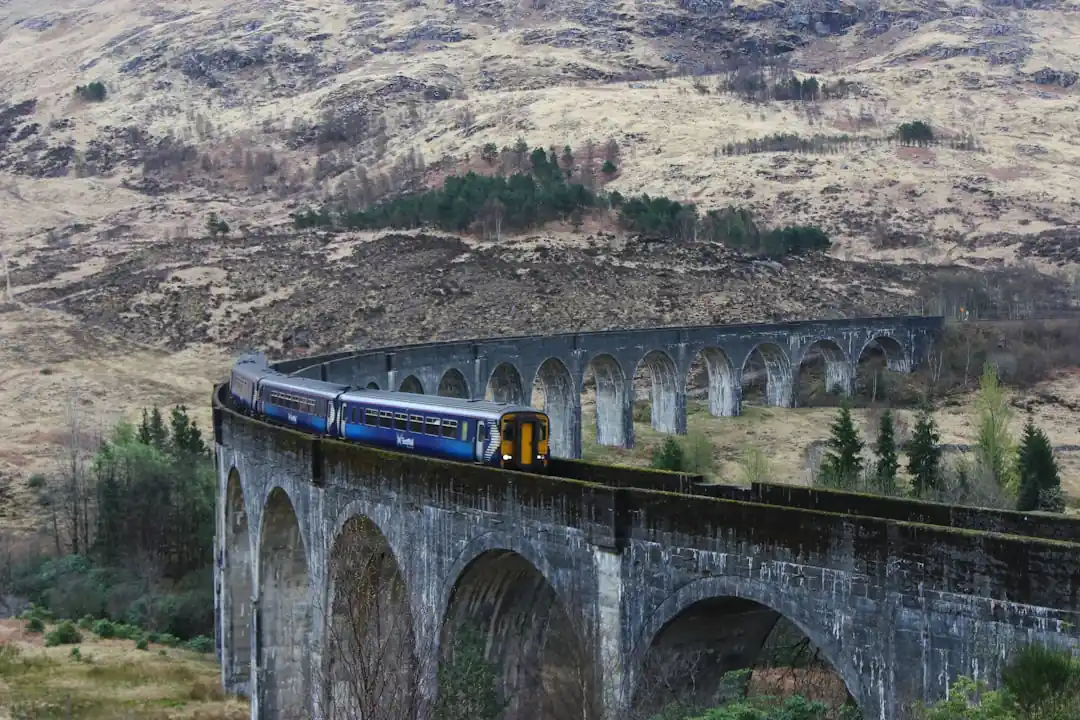
The onboard experience is where European train travel truly shines. It’s a chance to slow down and simply watch the world go by. The large, panoramic windows are your personal screen, projecting a continuous film of the countryside. You’ll see tiny villages, grazing sheep, ancient castles, and dramatic mountain ranges you’d never spot from 30,000 feet. It’s a deeply immersive way to understand the geography and character of a country.
Most long-distance trains have a dining car or a cafe bar where you can get anything from a simple espresso to a full hot meal. It’s a great place to stretch your legs and feel like you’re part of the journey. One of my favorite things to do, however, is to bring my own provisions. Stopping at a local market before a trip to pick up fresh bread, cheese, some fruit, and maybe a small bottle of wine is a classic European move. Enjoying a picnic as you speed through the Italian countryside is a memory you won’t soon forget.
Don’t be afraid to get up and walk around. Unlike on a plane, you’re encouraged to move about the cabin. Many modern trains also have power outlets at each seat and offer Wi-Fi (though the connection can be spotty in rural areas). It’s this combination of comfort, freedom, and constant scenery that makes the journey just as rewarding as arriving at your destination. It’s a time to read, to think, to listen to music, and to simply be present.
I hope this guide has demystified the process a bit and sparked some excitement for your own European rail adventure. There will be moments of confusion, perhaps a missed connection or a crowded carriage, but it’s all part of the experience. The reward is a deeper, more authentic connection to the places you visit. Happy travels.
Breeze Through Security: Your Guide to Faster Airport Travel in the US
Your First Dance with Paris: A Guide to the City's Unforgettable Top 10

Related Posts
 TRANSPORT
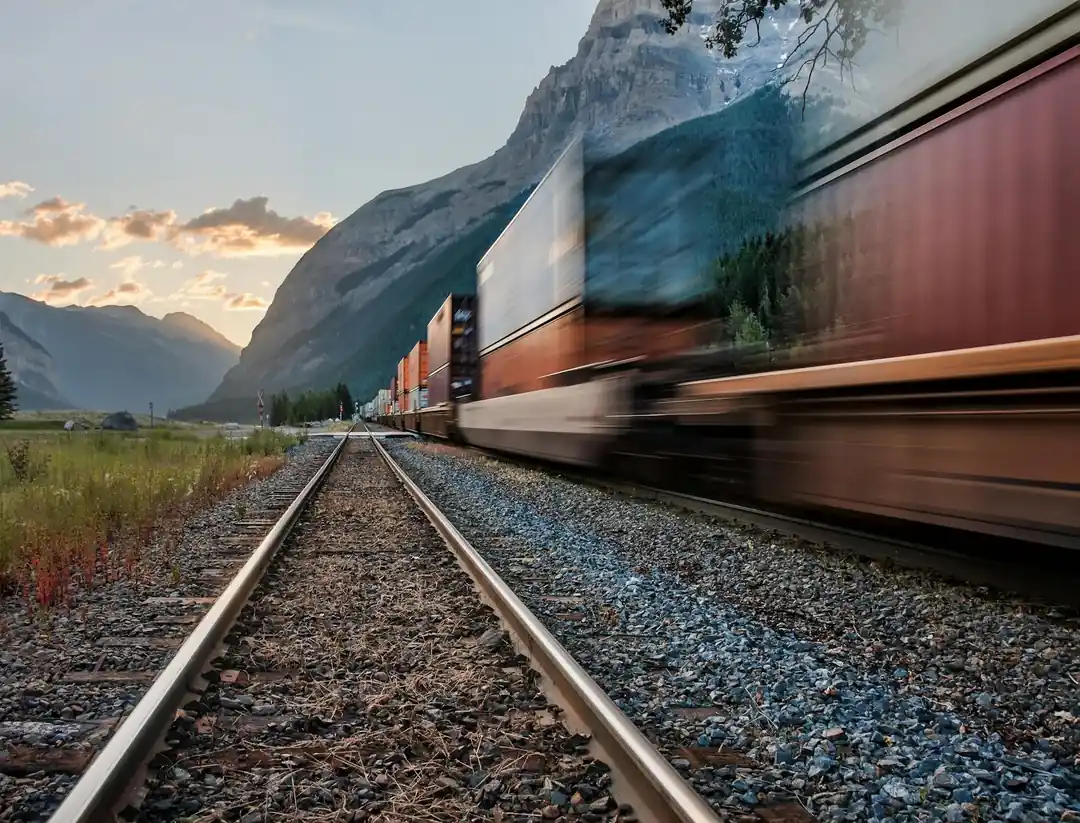
Beyond the Highway: Finding Canada's Soul on a Western Rail Adventure
Forget road trips. I'm talking about rediscovering the romance of travel on Via Rail's most scenic routes through the heart of the Canadian West. It’s an experience that changes you.
 TRAVEL TIPS
The Unwritten Rules of the North: What to Know Before Camping in Canada
Heading to the Great White North for a camping trip? It's an amazing idea. But from campfire etiquette to wildlife wisdom, here’s what you need to know before you go.

Popular Posts

Rethinking Non-Profit Promotion: Creative Strategies That Actually Drive Event Impact

Beyond Stark White: The Best Interior Paint Colors to Light Up Your New Space

How to Actually Master a New Language on Your Own (No Magic Gene Required)
